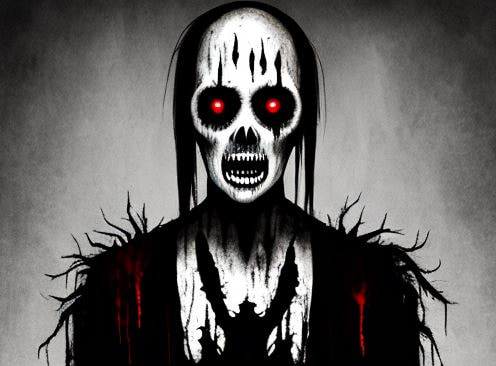
We are drawn to horror for a lot of reasons, often finding excitement, adrenaline, and a unique form of entertainment in the the horror genre. There are many facets to the horror genre and no fan is the same as another. There are many reasons why we are drawn to horror and it is a... Continue Reading →
Why are there so many movie franchises
Franchise films dominate the cinema landscape due to their built-in fan base, financial safety, and the comforts of nostalgia. While offering familiarity and escapism, they also stifle creativity, limiting original storytelling. Despite pushing unique ideas aside, audiences continue to embrace franchises, ensuring their prevalence in modern culture and streaming.
The fascinating world of bird folklore
Bird folklore reveals humanity's deep connection with birds as symbols of freedom, fate, and spirituality. Across cultures, birds embody messages from the divine, serve as omens, and guide souls. Their stories teach lessons of wisdom, transformation, and the continuity of life, urging us to tune into nature's whispers and meanings.
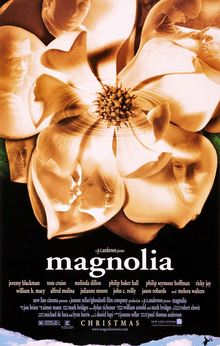
Movie Review: Magnolia (1999) and the Horror Within, When Life Feels Terrifyingly Personal
Paul Thomas Anderson's Magnolia explores the intertwined lives of eight characters over a tumultuous day, illuminating themes of emotional trauma and existential horror. Characters grapple with personal demons, guilt, and the chaos of chance. The film highlights that true horror often lies within, urging viewers to confront their vulnerabilities amid shared human experiences.
Why the Wren was called the King of Birds: The story and the science
The wren, a tiny bird celebrated as "The King of Birds," symbolizes cleverness and adaptation in numerous folklore stories across Europe. Its legendary status comes from a tale where it outsmarted the mighty eagle. The wren represents strength in humility and teaches lessons about resilience, voice, and the cyclical nature of life.
Movie review: Weapons (2025)
"Weapons," directed by Zach Cregger, features non-linear storytelling that intertwines the experiences of multiple characters following the mysterious disappearance of 17 children. The film effectively builds suspense through fragmented narratives, but some arcs feel incomplete. Despite its flaws, it offers a unique horror experience that invites viewer interpretation and engagement.
Storytime: The horror of not being in control
I used to think control was about willpower. Get up early. Work hard. Stick to the plan. If something went wrong, it was just because I hadn’t tried hard enough. That was before the day I watched my own hand move without me. It started small. A flicker of something wrong. I was writing an... Continue Reading →
When life gets in the way: The real horror of losing yourself
The piece explores the silent horror of losing one's identity in the chaos of daily life, as routine and obligations overshadow passion and creativity. It illustrates how the gradual disappearance of the self can feel haunting, yet urges reclaiming one's essence through small, intentional acts. Life's interruptions can fuel personal growth rather than deflate it.
Movie review: The Trap (2024)
2024 is packed with new horror films and remakes like Beetlejuice, Twister, and Aliens. "The Trap" follows Cooper and his daughter Riley at a concert that turns out to be a trap for a serial killer. While the movie has flaws, it's entertaining. The entertainment industry's focus on money and fame is also a concern. Franchise films dominate, leaving little room for originality.
Why Sequels and Movie Franchises are Ruining Movies
Sequels and franchises dominate modern cinema, promising familiar characters and worlds but often falling short in quality. While they guarantee profits, they stifle creativity and lead to repetitive, uninspired storytelling. Audiences play a part in this cycle by supporting these films, lowering their expectations, and neglecting original works. Breaking free requires demanding and supporting fresh, innovative storytelling.
Do nightmares have a meaning?
Nightmares are more than just bad dreams. Stress, anxiety, medications, and sleep disorders can trigger them. Psychologists like Freud and Jung believed they hold deeper meanings, reflecting hidden fears and universal symbols. Cultural factors also shape nightmare interpretations. Surprisingly, nightmares can be beneficial, aiding emotional processing, inspiring creativity, and helping with problem-solving. So, next time you wake up sweating, pay attention—your subconscious might have something important to say!