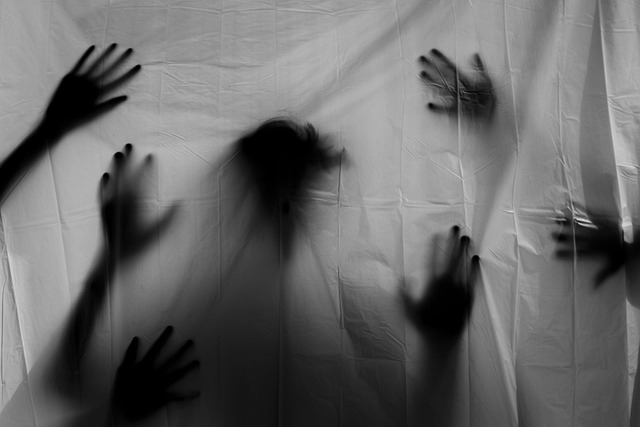
Whether a horror movie is “good” is subjective and can vary from person to person. For many people the more mvies they watch the more similar they become, this can lead to an impression that there are no good movies.
Horror movies have a unique appeal. From the silent films of the early 20th century to the contemporary flicks that push the boundaries of special effects and psychological terror, the genre has consistently found ways to scare audiences.. Several factors contribute to this perception, including an overreliance on jump scares, a lack of originality, the commercialization of the film industry, shifting audience expectations, and market saturation.
Overreliance on Jump Scares
One of the most common criticisms of modern horror movies is their overreliance on jump scares. Jump scares are quick, startling moments designed to jolt the audience, often accompanied by a sudden loud noise or abrupt visual shock. While they can be effective in creating immediate fear, they often come at the expense of building genuine suspense and tension. Jump scares are not found in horror literature.
In classic horror literature, fear is typically built through atmosphere, slow-burn tension, and psychological depth. Authors like H.P. Lovecraft and Shirley Jackson crafted stories that unsettled readers through a gradual buildup of dread, allowing the horror to seep into their minds. This method contrasts sharply with the instant gratification of a jump scare. A well-written horror novel often immerses the reader in a world where the fear is omnipresent and inescapable, growing with each page turn.
In many modern horror films, however, the emphasis is on quick, startling moments rather than sustained tension. This can lead to a predictable and formulaic viewing experience. Audiences learn to expect the scare, reducing its effectiveness. Over time, the constant barrage of jump scares can desensitize viewers, making it harder to achieve the desired fright. The result is a superficial form of horror that may startle but rarely lingers in the mind or creates lasting fear. It becomes more waiting for the dopamine hit of a jump start than tension through story telling.
Lack of Originality
Another significant issue with modern horror movies is the perceived lack of originality. Many recent films rely heavily on established tropes and clichés, leading to a sense of repetitiveness and predictability. Classic horror elements like zombies, vampires, and haunted houses have been used so frequently that they can feel stale and uninspired.
For example, zombie films often follow a similar pattern: a virus outbreak, a group of survivors, and an inevitable showdown with the undead. While there have been innovative takes on the genre, such as 28 Days Later (2002) and Train to Busan (2016), many films simply rehash the same basic plot points without adding anything new. Vampires, too, have been depicted in countless ways, from the terrifying creatures of Nosferatu (1922) to the romantic figures in the Twilight series. Yet, despite the variety, many vampire films rely on the same tropes: seductive, immortal beings who prey on humans.
The reliance on these familiar elements can lead to a feeling of déjà vu among audiences. When every horror movie seems to involve the same types of monsters and scenarios, it becomes difficult for any single film to stand out. This lack of originality can make the genre feel stagnant and uninspired. It is easy for the ghouls of horror to become stale and it is the storyline that brings a movie to life. Drag me to hell (2009) is a good example of storyline driving a good vs evil gypsy curse story along at a great pace and with a satisfying finale.
Commercialization and Franchises
The commercial nature of the film industry also plays a significant role in the perceived decline in the quality of horror movies. Studios are businesses, and their primary goal is to make a profit. This often leads to the production of sequels, prequels, and spin-offs that capitalize on the success of popular films, even if they lack the creativity and freshness of the original. Prioritizing profit over artistic innovation.
Franchises like Halloween, Friday the 13th, and A Nightmare on Elm Street have become iconic in the horror genre, spawning numerous sequels over the decades. While some installments in these series have been praised for their innovation and quality, many others have been criticized for being formulaic and repetitive. The desire to milk a successful franchise for all it’s worth can result in diminishing returns, with each new film feeling less inspired than the last.
This focus on franchising can dilute the impact of the genre, making it feel formulaic and driven by financial motives rather than artistic innovation. When studios prioritize profit over creativity, the result is often a glut of mediocre films that fail to push the boundaries or offer anything new to audiences.
Audience Expectations
Filmmakers also face the challenge of meeting evolving audience expectations. Horror is a genre that has always pushed boundaries, from the early days of German Expressionism to the gore-fests of the 1980s. As societal norms and tastes change, so too does what audiences find scary. This can create a pressure on filmmakers to continually up the ante, leading to an emphasis on shock value and gore over substantive storytelling.
Movies like The Human Centipede (2009) and Hostel (2005) exemplify this trend, where the focus is on gross-out horror and torture rather than creating a compelling narrative. These films aim to shock and disgust viewers, often at the expense of character development and plot. While they may succeed in creating a visceral reaction, they can also alienate viewers who prefer more psychological or atmospheric horror.
This shift in focus can lead to unbelievable plots and farcical scenarios that detract from the overall impact of the film. When the emphasis is on how shocking or gruesome a scene can be, the story often takes a backseat. This can result in films that are more about spectacle than substance, leaving audiences feeling unfulfilled and unsatisfied.
Market Saturation
The horror genre has seen a significant increase in the number of films produced in recent years. Horror movies are generally cheaper to make than other genres, often requiring fewer special effects, smaller casts, and limited locations. This lower production cost makes them an attractive option for studios looking to maximize their return on investment.
As a result, the market has become saturated with horror films, many of which follow similar themes and formulas. With more films being made, it becomes challenging for every movie to stand out, and some may get lost in the shuffle. This oversaturation can lead to a regurgitation of similar ideas and concepts, making it harder for audiences to find truly original and engaging horror films.
Quality and Innovation
Despite these challenges, quality and innovative horror films are still being made. Independent and international cinema, in particular, has produced some standout examples in recent years. Countries like Japan, South Korea, and Norway have contributed unique and compelling horror films that offer fresh perspectives and creative storytelling.
For example, Japan’s Ringu (1998) introduced audiences to a new kind of supernatural horror with its chilling tale of a cursed videotape. South Korea’s Train to Busan (2016) reinvigorated the zombie genre with its intense and emotionally driven story of survival. Norway’s Trollhunter (2010) provided a clever and humorous take on found footage horror, blending folklore with modern-day fears.
These films demonstrate that there is still plenty of room for creativity and innovation within the horror genre. They show that with the right approach, it’s possible to craft stories that are both terrifying and original.
In closing
The perception that there are no good horror movies left is influenced by several factors, including an overreliance on jump scares and cheap effects, a lack of originality, the commercialization of the film industry, shifting audience expectations, and market saturation. However, it’s important to remember that individual preferences play a significant role, and what one person considers a “good” horror movie may differ from someone else’s opinion.
Quality and innovative horror films are still being made, particularly in the independent and international scenes. By seeking out these hidden gems and exploring diverse cinematic traditions, horror fans can find fresh and exciting movies that push the boundaries of the genre. While the mainstream may sometimes feel tired and predictable, the world of horror is vast and varied, offering endless opportunities for discovery and fright

 Uncanny Lounge
100% correct. You nailed it! So-called horror is nowadays just slasher stuff and gore, or it relies heavily on satanic stuff. Horror should be smarter than that.
LikeLike