
Gothic horror isn’t just a branch of the horror genre, it’s a mood, an atmosphere, a strange alchemy of terror and elegance. Since emerging in the late 18th century, it has shaped the way we imagine haunted spaces, doomed lovers, and the moral shadows that lurk in the human heart. From crumbling abbeys to candlelit laboratories, gothic horror has always invited us to wander the borderland between beauty and dread.
Origins of Gothic Horror
The genre’s roots run deep into the late 1700s, a time when the Western world was transforming at breakneck speed. Industrial smoke stacks were rising, scientific discoveries were challenging religious certainty, and society was caught between old superstitions and new rationalism. This cultural turbulence created fertile ground for a new kind of storytelling: one that blended Romantic emotion, medieval aesthetics, and an awakening fascination with the unknown.
The word “gothic” originally described the architectural style of medieval cathedrals, towering spires, pointed arches, shadows cast by stained glass. These structures were more than buildings; they were monuments to awe. Early gothic writers adopted that atmosphere and translated it into fiction: vast ruins, echoing halls, mysterious locked rooms, and landscapes so dramatic they felt alive.
The earliest gothic novels weren’t simply meant to frighten, they were designed to overwhelm. Their readers sought emotional intensity in an age that prized reason above all. Gothic horror gave them a place to escape into darkness, grandeur, and forbidden thoughts.

Key Characteristics of Gothic Horror
Eerie Settings:
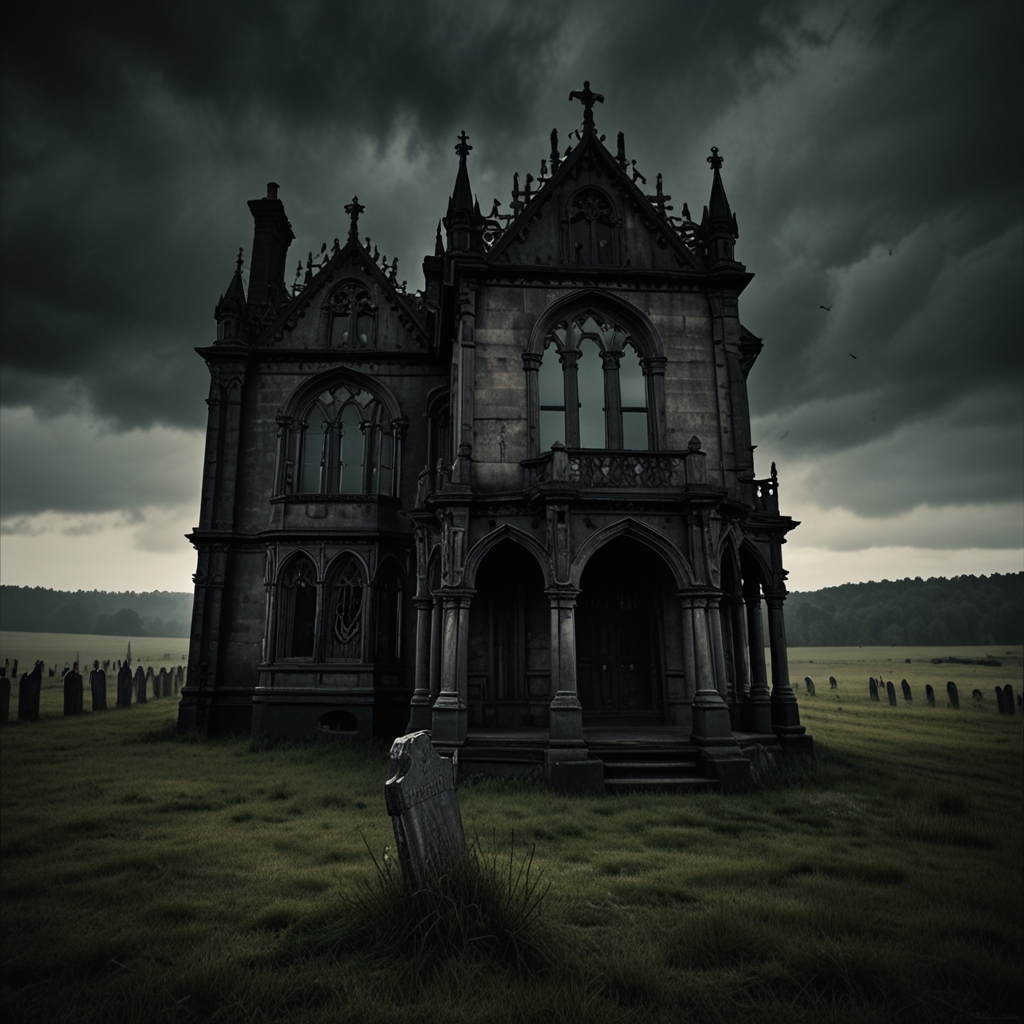
Gothic settings act like characters in their own right. Think storm-lashed castles, rotting manors, underground crypts, moonlit moors, or monasteries where secrets seep into the stone. Writers used these spaces to conjure claustrophobia, melancholy, and a sense that the past refuses to stay buried.
Many of these settings were inspired by real ruins of the time, abandoned abbeys and castles made accessible by new travel routes. Tourists turned these sites into early “dark attractions,” and gothic authors lifted their details straight from travel journals and sketches.
Supernatural elements and the uncanny :
Ghosts, vampires, witches, prophetic dreams, unnatural science, they are the genre’s lifeblood. Gothic horror has always thrived in the space between rational explanation and uncanny presence, where readers must ask: Is this real or imagined? Early writers played with this ambiguity obsessively, reflecting society’s growing tension between science and superstition.
Buried and mysterious Secrets:
Central to gothic tales are hidden secrets and dark mysteries lurking within the narrative. These secrets, often tied to family curses, forbidden knowledge, or tragic pasts, drive the plot forward and create a sense of intrigue. A gothic story almost always hides something: a mad relative in an attic, a forgotten family crime, a sealed room, or a mysterious death. These secrets reflect real anxieties of the era, inheritance, lineage, social reputation, and the fear that the sins of the past will resurface.
Romanticism and Tragedy, moral ambiguity:
Gothic characters rarely fit neatly into hero or villain roles. They are often tormented, morally conflicted, doomed by love or haunted by guilt. This blend of passion and tragedy mirrors Romantic ideals, where emotions are vast and destructive.
Religion, philosophy, and emerging psychology all found their metaphors in gothic horror: the double life, repression, temptation, the monstrous and the human mirroring each other.
The Sublime:
A cornerstone of gothic literature, the sublime describes the feeling of being overwhelmed by something vast, storms, mountains, supernatural forces, death, or destiny. In gothic horror, the sublime isn’t just about scenery; it’s about losing control, confronting something so immense it reorders your sense of self.

The shifting nature of Gothic romance
The first gothic novel, The Castle of Otranto (1764), still clung to chivalric romance: heroic knights, damsels in peril, long-lost heirs. Yet it added something radical, supernatural terror intruding on everyday reality.
By the time the Brontë sisters arrived decades later, the romantic landscape had changed. Jane Eyre and Wuthering Heights introduced gothic antiheroes: brooding, morally ambiguous men who weren’t saved by love but transformed, or destroyed by it. These stories explored obsession, trauma, and the psychological “dark doubles” within us.
Victorian writers pushed further still. Characters like Dracula and Frankenstein’s creature allowed audiences to explore taboo emotions, desire, rage, rebellion, without breaking societal rules. Monsters became mirrors reflecting what respectable society refused to admit: forbidden sexuality, moral conflict, and a fascination with breaking free from social constraints.
This evolution continued into the 20th century, culminating in Anne Rice’s lush, sensual vampires. Her characters Lestat and Louis helped modern audiences embrace the “beautiful monster,” blending gothic melancholy with homoeroticism, existential despair, and glamour.
Notable Works in Gothic Horror
Mary Shelley’s ‘Frankenstein’ (1818):
Widely regarded as a cornerstone of gothic literature, “Frankenstein” explores themes of scientific hubris, existentialism, and the consequences of playing god. Dr. Frankenstein’s creation of the monster and the tragic repercussions highlight gothic horror’s emphasis on moral dilemmas and the dark side of human ambition. Written when Shelley was only 18, this novel fused gothic horror with early science fiction. It touched on fears of scientific overreach, societal rejection, and the loneliness of being an outsider long before psychology became a discipline.
Bram Stoker’s ‘Dracula’ (1897):
“Dracula” epitomizes gothic horror’s fascination with vampires, seduction, and the clash between the supernatural and the rational world. Count Dracula’s charismatic yet malevolent presence embodies the enticement and danger of the immortal undead, captivating readers with his blend of charm and terror. A masterpiece of tension and sensual dread. Through diary entries and letters, Stoker tapped into fears of invasion, sexual liberation, and the supernatural corrupting the modern world.
Edgar Allan Poe’s ‘Tales of Terror’:
No one captured psychological torment like Poe. His stories introduced an American gothic sensibility, less about haunted castles and more about haunted minds. Poe’s haunting tales, including “The Tell-Tale Heart,” “The Raven,” and “The Fall of the House of Usher,” delve into madness, guilt, and the macabre. His mastery of psychological horror and poetic language has solidified his place as a gothic literary icon.
Daphne du Maurier’s ‘Rebecca’ (1938):
A modern gothic classic where the supernatural remains just out of reach. The haunting comes not from ghosts but from memory, jealousy, and the power of the unseen. This gothic novel explores themes of identity, obsession, and the lingering influence of the past. The haunting presence of Rebecca, the deceased first wife of the protagonist’s husband, casting a shadow over Manderley, the ancestral estate, creating an atmosphere of mystery and unease.
Anne Rice’s ‘Interview with the Vampire’ (1976):
Rice changed the vampire forever, giving them souls, longings, and a lavish gothic glamour that continues to influence the genre today. Rice’s novel revitalized the vampire genre, offering a complex exploration of immortality, morality, and the vampire’s existential struggle. Through characters like Louis and Lestat, Rice delves into themes of loneliness, desire, and the eternal quest for meaning.

Why Gothic horror still enchants us today
Gothic horror continues to captivate audiences and creators for several reasons:
Aesthetic seduction:
Decaying beauty, candlelight on stone walls, velvet shadows, gothic aesthetics remain irresistible, inspiring fashion, architecture, and film to this day. The gothic aesthetic, with its blend of darkness, elegance, and decay still inspires art, fashion, and architecture.
Fear with depth:
Gothic horror is never just jump scares. It’s about the fear of losing identity, control, morality, or sanity. It’s psychological, philosophical, and intimate. Gothic horror provides a platform to explore complex themes such as mortality, identity, morality, and the supernatural, inviting audiences to confront their deepest fears and desires.
Emotional Intensity and catharsis: T
The combination of romance, tragedy, and horror creates a potent mix of emotions, drawing readers and viewers into the characters’ struggles and dilemmas. The genre lets us experience forbidden emotions, desire, grief, rage, and longing in a safe space. We feel the intensity without consequence.
Timeless themes:
The themes and motifs of gothic horror, secrets, haunted pasts and forbidden desires all remain relevant across cultures and eras, resonating with universal aspects of the human experience. These eternal human concerns keep the gothic themes oulling into the future from the past.
Adaptability: Gothic horror’s flexibility allows it to blend with other genres, from romance and mystery to science fiction and fantasy, keeping the genre dynamic and evolving. Gothic horror blends effortlessly with sci-fi (Frankenstein), romance (Rebecca), fantasy (The Sandman), and even TV (Hill House). Its adaptability keeps it alive.
Contemporary Examples of Gothic Horror
Guillermo del Toro’s “Crimson Peak” (2015): This film pays homage to classic gothic horror with its atmospheric setting, ghostly apparitions, and themes of family secrets and betrayal. A lush love letter to classic gothic cinema, complete with decaying mansions and blood-red ghosts.
Netflix’s “The Haunting of Hill House” (2018): A modern take on Shirley Jackson’s novel, this series combines supernatural horror with psychological depth, exploring the trauma and haunting legacy of the Crain family. A blend of grief, trauma, and ghost story, proving the genre’s psychological potency.
Neil Gaiman’s “The Sandman” (Comic Series): Dreamlike, surreal, and full of mythic darkness that echoes the gothic traditionWhile primarily a dark fantasy series, “The Sandman” incorporates gothic elements, including dreams, nightmares, and the enigmatic figure of Morpheus, the Lord of Dreams.

Summing it all up
Gothic horror has survived centuries because it speaks to something primal: our fascination with beauty tinged with terror, desire sharpened by danger, and secrets woven into the architecture of our lives. It invites us to walk into the dark with a candle in our hand, knowing full well the shadows may hold something unexpected.
Gothic horror remains a captivating and enduring genre that celebrates the sublime, the supernatural, and the human condition’s darker aspects. From its origins in literature to its influence on film, art, and culture, gothic horror continues to inspire fascination, creativity, and exploration of the shadows within our hearts and minds. As we embrace the dark beauty of gothic horror, we venture into realms where fear and fascination intertwine, inviting us to confront our deepest fears and delve into the mysteries that lie beyond the veil of reality.
To love gothic horror is to embrace the exquisite tension between fear and wonder, the thrill of stepping across the threshold where reality wavers, and the imagination takes over.

 Uncanny Lounge
Leave a comment