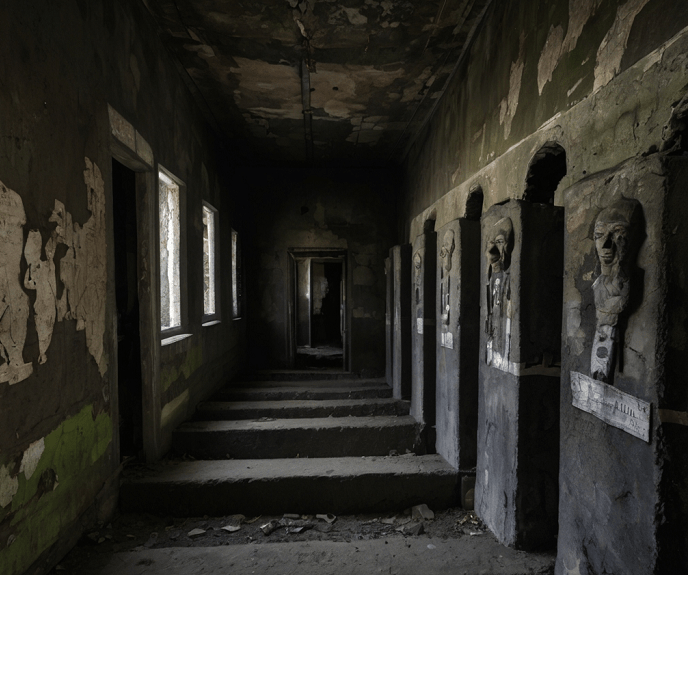
Dark tourism, the act of traveling to sites associated with death, tragedy, and the macabre, has surged in popularity over recent years. Future market insights gives the dark tourism market a global value of 31.89 billion for 2024, with expected growth of 2.5% a year. Citing an increased interest in historical events and cultural understanding as drivers for growth. It encompasses a range of locations, from battlefields and prisons to disaster sites and haunted places. This fascination with the darker side of history offers a unique perspective on humanity’s past, often prompting reflection on mortality, morality, and the human condition and acts as a juxtapostion to our current societies.

The Origins and Evolution of Dark Tourism
The concept of dark tourism is not new. Pilgrimages to sites of martyrdom, such as the Via Dolorosa in Jerusalem, have been undertaken for centuries. In ancient Rome, people flocked to see gladiators battle to the death, a macabre form of entertainment that drew large crowds. Public hangings in medieval and early modern Europe were treated as communal events, with people gathering to witness executions as a grim form of spectacle. Fast forward to the 19th century, and the Paris Morgue became an unusual but popular tourist destination where visitors could view unidentified bodies laid out for identification—a morbid curiosity that attracted crowds.
These historical precedents highlight humanity’s long-standing fascination with death and tragedy. However, the term “dark tourism” was formally coined by J. John Lennon and Malcolm Foley in 1996. They described it as travel to places historically associated with death and tragedy, encapsulating a broad spectrum of sites that draw visitors due to their connections to calamity, suffering, and mortality.
In the modern context, dark tourism has evolved significantly alongside society’s changing attitudes towards death and tragedy. The rise of media coverage of disasters and historical events has played a role in increasing public awareness and interest in these sites. Television, newspapers, and, nowdays, the internet and social media have brought images and stories of tragic events into people’s homes, making them more aware of these locations and their historical significance.
The digital age has revolutionized how people engage with dark tourism. Potential tourists can now research and share their experiences more easily than ever before. Online platforms provide detailed information, personal testimonials, and reviews, making it simpler for individuals to plan visits to dark tourism sites. Social media allows visitors to share their experiences with a global audience, creating a virtual community of dark tourism enthusiasts and further fueling the trend.
This increased accessibility has broadened the appeal of dark tourism, attracting a diverse range of people who seek to understand and reflect on the darker aspects of human history. The digital age has also enabled the creation of virtual tours, allowing people to explore these sites from the comfort of their homes, thereby reaching an even wider audience.
Popular Dark Tourism Destinations
Dark tourism sites are spread across the globe, each offering a unique glimpse into the darker chapters of history. These destinations attract visitors not only for their historical significance but also for the profound emotional and educational experiences they provide. Some notable destinations include:
Chernobyl, Ukraine
The site of the infamous 1986 nuclear disaster, Chernobyl attracts thousands of visitors each year. Guided tours take visitors through the ghost town of Pripyat, where time has seemingly stood still since the evacuation. The eerie silence and abandoned buildings serve as a stark reminder of the catastrophic consequences of nuclear energy mishaps. Visitors can see the decaying amusement park, schools, and homes, gaining a sobering perspective on the scale of the disaster and its long-term impact on the environment and human life. The Chernobyl Exclusion Zone has also become a haven for wildlife, providing an unexpected view of nature reclaiming the land.
Auschwitz-Birkenau, Poland
Auschwitz-Birkenau is one of the most infamous Nazi concentration camps from World War II. It stands as a testament to the horrors of the Holocaust. Visitors can tour the preserved barracks, gas chambers, and memorials, providing a sobering look into one of history’s darkest periods. The museum and educational programs offer in-depth historical context, emphasizing the importance of remembering and learning from these atrocities to prevent future genocides. The emotional weight of walking through the camp where millions suffered and died is a powerful experience that leaves a lasting impact on visitors.
Ground Zero, USA
The site of the September 11, 2001, terrorist attacks in New York City, Ground Zero includes the 9/11 Memorial and Museum. The area honors the victims and heroes of that day, offering a place for reflection and remembrance. The memorial features two massive reflecting pools set in the footprints of the original Twin Towers, with the names of the nearly 3,000 victims inscribed on bronze panels around the pools. The museum provides a detailed account of the events, personal stories of loss and resilience, and artifacts from the tragedy. It serves as a powerful reminder of the impact of terrorism and the strength of human spirit.
Hiroshima Peace Memorial Park, Japan
Hiroshima, the first city to be targeted by an atomic bomb during World War II, is now home to the Peace Memorial Park. The park includes the iconic A-Bomb Dome and the Peace Memorial Museum, which educates visitors about the bombing’s devastating effects and advocates for nuclear disarmament. The A-Bomb Dome, a preserved ruin of a building near the bomb’s hypocenter, stands as a haunting symbol of the destruction. The museum offers detailed exhibits on the bombing, its aftermath, and the survivors’ stories, promoting a message of peace and the abolition of nuclear weapons.
Alcatraz Island, USA
Once a notorious maximum-security prison, Alcatraz Island in San Francisco Bay housed some of America’s most infamous criminals, including Al Capone and Robert Stroud, the “Birdman of Alcatraz.” Today, it is a popular tourist attraction where visitors can explore the prison cells, solitary confinement, and the island’s historical buildings. The audio tour, narrated by former guards and inmates, provides a vivid account of life on the island. Visitors can also learn about the Native American occupation of Alcatraz in the late 1960s, which was a significant event in the history of Native American civil rights. The island’s natural beauty, with its gardens and birdlife, contrasts sharply with its grim history, offering a multifaceted experience.
These destinations, while rooted in tragedy and suffering, offer invaluable lessons and reflections on humanity’s past. They encourage visitors to engage deeply with history, fostering empathy, understanding, and a commitment to preventing future atrocities.

The Psychology Behind Dark Tourism
The appeal of dark tourism is multifaceted and deeply rooted in human psychology. Several factors contribute to its allure, making it a compelling form of travel for many.
Memento Mori
The Latin phrase “memento mori” translates to “remember that you will die.” This concept is central to the human experience and is a significant factor in the allure of dark tourism. Dark tourism sites often serve as stark reminders of mortality, prompting visitors to reflect on their own lives and the inevitability of death. These reflections can lead to a greater appreciation of life and a sense of urgency to live meaningfully. By confronting death in a controlled and educational environment, visitors can gain a more profound understanding of their existence and the preciousness of life.
Curiosity and Morbid Fascination
Humans have a natural curiosity about death and the macabre. This fascination with the unknown and the fearsome aspects of life drives many to seek out dark tourism experiences. Dark tourism allows individuals to confront these morbid fascinations in a controlled environment, satisfying their curiosity while providing historical and educational context. This safe exploration of death and tragedy can be thrilling, offering a unique form of engagement with history and the human condition. The controlled setting of dark tourism sites ensures that visitors can confront their fears and curiosities without real danger, making it an appealing way to explore the darker aspects of life.
Empathy and Understanding
Visiting sites of tragedy and suffering can evoke strong emotional responses, fostering empathy and a deeper understanding of historical events. This emotional connection can humanize distant historical figures and events, making history feel more real and immediate. For instance, walking through the preserved barracks of Auschwitz or standing in the remnants of Hiroshima can provide a visceral connection to the past, transforming abstract historical knowledge into a tangible and emotional experience. This empathy can lead to a more profound understanding of the impact of these events on individuals and communities, promoting a deeper appreciation of the lessons of history.
Educational Value
Dark tourism sites often offer educational opportunities, helping visitors learn about significant historical events and their broader implications. This education can promote awareness and understanding of past atrocities, encouraging a commitment to preventing similar tragedies in the future. Museums, guided tours, and informational plaques provide context and details that enhance the learning experience. By educating visitors about the causes and consequences of historical tragedies, dark tourism sites can serve as powerful tools for social and historical education. This knowledge can inspire visitors to advocate for justice, human rights, and the prevention of future atrocities.
Psychological Benefits
Engaging with dark tourism can also offer psychological benefits. The confrontation with mortality and tragedy can serve as a form of catharsis, helping individuals process their own fears and anxieties about death. It can also foster a sense of resilience and a deeper appreciation for life. By facing the darker aspects of human history, visitors can gain a sense of closure or understanding that might be difficult to achieve through other means. This psychological engagement can contribute to personal growth and a more nuanced perspective on life and death.
Connection to Collective Memory
Dark tourism sites often play a crucial role in the preservation and dissemination of collective memory. By visiting these sites, individuals participate in the collective remembrance of significant historical events. This participation helps keep the memory of these events alive, ensuring that the lessons of history are not forgotten. Dark tourism can thus serve as a form of collective mourning and remembrance, fostering a shared understanding of humanity’s past. This collective memory is essential for the continued recognition and acknowledgment of historical atrocities, promoting a culture of remembrance and respect.

Ethical Considerations in Dark Tourism
While dark tourism can be enlightening and educational, it also raises several ethical concerns that must be carefully navigated to ensure respect and sensitivity for the victims, survivors, and the integrity of the sites themselves.
Respect for Victims and Survivors
It is crucial to approach dark tourism sites with respect and sensitivity. These locations are often places of immense suffering and loss, and treating them as mere tourist attractions can be deeply disrespectful to the victims and their families. Visitors should be aware of the historical context and the gravity of the events that occurred at these sites. Appropriate behavior, such as maintaining a solemn demeanor, refraining from taking selfies, and avoiding disruptive behavior, is essential. Tour operators and site managers should also provide guidelines to ensure that visitors understand the importance of showing respect.
Commercialization and Exploitation
The commercialization of dark tourism sites can be problematic. While it is important to fund the maintenance and preservation of these sites, there is a fine line between education and exploitation. Excessive commercialization can overshadow the significance of these locations, reducing them to mere profit-generating attractions rather than places of historical importance and remembrance. Efforts should be made to balance the need for funding with the need to preserve the dignity and significance of these sites. This can include implementing ethical guidelines for souvenir sales, ensuring that educational content is prioritized, and using profits to support preservation and educational initiatives.
Mental Health Considerations
Exposure to sites of death and tragedy can be emotionally taxing. Visitors should be mindful of their mental health and consider whether they are prepared for the potential psychological impact. The intense emotional experiences that can arise from visiting these sites might lead to distress or trauma, especially for those who are sensitive to such topics. Providing support and resources for visitors can help mitigate these effects. This can include offering counseling services, providing informational materials on what to expect, and creating spaces for reflection and decompression. Additionally, tour operators and guides should be trained to recognize signs of distress and offer appropriate support.
Responsible Tourism Practices
Promoting responsible tourism practices is essential in mitigating the ethical concerns associated with dark tourism. This involves educating visitors about the importance of ethical behavior, encouraging respectful engagement with the sites, and fostering an understanding of the historical and cultural context. By prioritizing education and empathy over entertainment and profit, dark tourism can maintain its integrity and contribute positively to historical awareness and preservation.

Balancing Education and Respect
To navigate the ethical complexities of dark tourism, several strategies can be used to ensure that the experience remains respectful and educational.
Informed and Responsible Tourism
Visitors should educate themselves about the significance of the sites they are visiting and approach them with respect and sensitivity. Understanding the historical context and the impact on the victims and their families is essential. This involves researching the history of the site, learning about the events that took place, and considering the cultural and emotional weight these locations carry. Visitors should be encouraged to reflect on the gravity of what they are witnessing and to engage with the site in a way that honors the memory of those affected. Responsible behavior includes maintaining a solemn demeanor, avoiding inappropriate photography, and refraining from treating the visit as a casual tourist outing.
Ethical Guidelines and Regulations
Tour operators and site managers should establish ethical guidelines to ensure respectful and responsible tourism. These guidelines can include specific visitor behavior protocols, such as quiet and respectful conduct, restricted areas where photography is prohibited, and instructions on appropriate ways to interact with memorials or artifacts. Educational programs and materials should be provided to give visitors a deeper understanding of the site’s significance and the events that occurred there. Guides should be trained to convey the historical context sensitively and accurately, helping visitors appreciate the human stories behind the tragedies. Regulations should be enforced to maintain the dignity of the sites, preventing commercial exploitation and ensuring that the primary focus remains on education and remembrance.
Supporting Preservation Efforts
Contributing to the preservation and maintenance of dark tourism sites can help ensure their continued existence and educational value. Donations and responsible tourism practices can support these efforts without commercializing the experience. Visitors can be encouraged to contribute to preservation funds or participate in volunteer activities that help maintain the sites. Tour operators can allocate a portion of their profits to conservation efforts, ensuring that the financial benefits of tourism are reinvested in the sites themselves. Collaboration with historians, preservationists, and local communities can also enhance the authenticity and educational impact of the sites, creating a more meaningful experience for visitors.
Integrating Technology and Accessibility
Utilizing technology can enhance the educational aspect of dark tourism while ensuring respect for the sites. Virtual tours and augmented reality experiences can provide in-depth historical context without overwhelming the physical site with large numbers of visitors. These technologies can also make dark tourism more accessible to those who cannot travel, allowing a broader audience to learn about and reflect on historical tragedies. Digital platforms can offer interactive and immersive experiences that deepen understanding and empathy, ensuring that the educational value of dark tourism is preserved.

The Future of Dark Tourism
As interest in dark tourism continues to grow, it is essential to balance education and respect. The future of dark tourism lies in harnessing new technologies and fostering ethical awareness to ensure that the experience remains meaningful and respectful.
Virtual Reality and Digital Tours
The rise of virtual reality (VR) and digital tours offers new opportunities to explore dark tourism sites without the need for physical presence. These technologies can provide immersive and educational experiences that allow users to virtually visit sites of historical significance, such as Auschwitz, Chernobyl, or the 9/11 Memorial. VR can recreate these environments with detailed accuracy, offering users a sense of presence and engagement without impacting the physical location. This approach not only reduces wear and tear on fragile sites but also makes dark tourism more accessible to people who may not be able to travel due to physical, financial, or logistical constraints.
Ethical Awareness and Dialogue
Increasing awareness and dialogue about the ethical implications of dark tourism is crucial for its responsible development. Tour operators, site managers, and tourists themselves need to engage in continuous conversations about the best practices for visiting and interpreting these sites. This includes respecting the memory of the victims, understanding the historical context, and ensuring that commercial interests do not overshadow the educational and commemorative purposes of these visits.

In closing
Dark tourism offers a profound way to explore and reflect on the darker aspects of history, providing valuable insights into human nature and past tragedies. As this form of tourism grows, it is essential to approach it with a balance of education and respect. By embracing ethical guidelines, promoting responsible tourism, and leveraging technological advancements like virtual reality, dark tourism can continue to be a meaningful and educational experience. This approach ensures that the memories of victims are honored, historical contexts are understood, and the integrity of these sites is preserved. Ultimately, dark tourism remains a powerful tool for fostering empathy, reflection, and a deeper appreciation of history’s lessons, contributing to a more informed and compassionate society.
What are your thoughts? Is dark tourism a good way to bring money into an area and respect past events? Or is it a cash in on tragedy for internet fame?

 Uncanny Lounge
Leave a comment