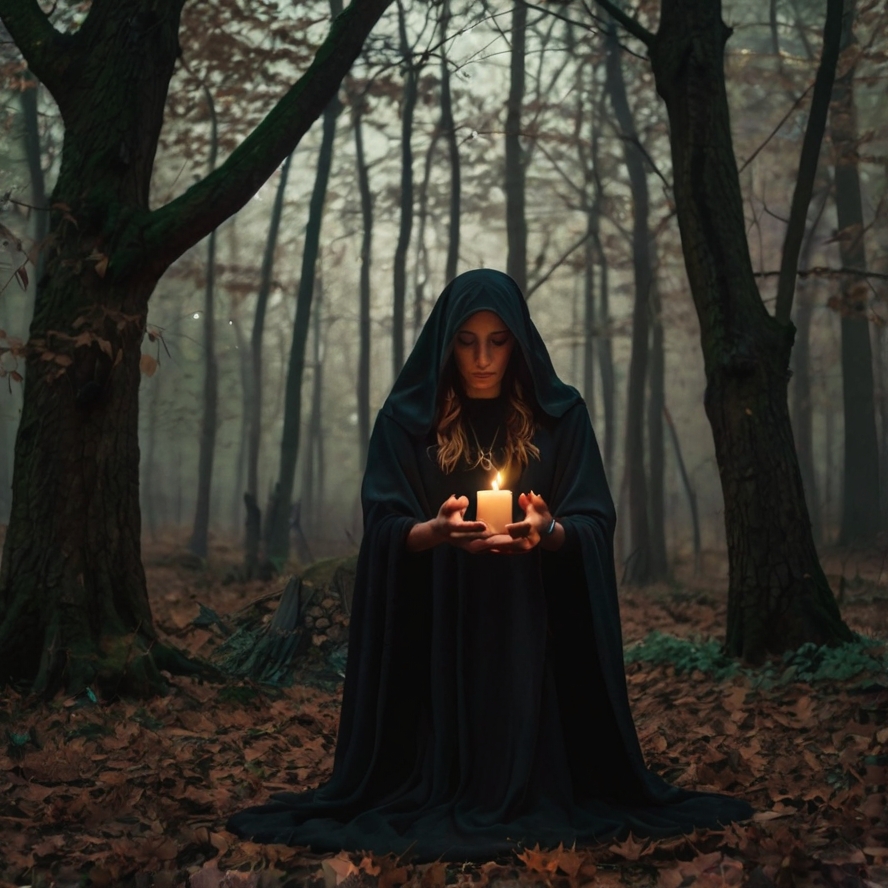
People are fascinating in their varied beliefs and rituals, finding comfort in practices that may seem peculiar to others. Magickal belief, or the idea that one can influence events through specific actions, persists despite advancements in science and technology. This belief raises intriguing questions about human psychology, culture, and the nature of reality. In this exploration, we will delve into the reasons behind the belief in magick, examining historical, psychological, cultural, and personal factors. For clarity, “magick” with a ‘k’ will be used to refer to metaphysical practices, distinct from stage magic.

Historical Roots of Magick
If you think you don’t believe in magick, consider your own superstitions. Would you walk under a ladder or wear a lucky shirt? These are subtle ways magickal thinking permeates our lives. Historically, magick explained the unexplainable. Before modern science, people relied on magick to make sense of natural phenomena like thunderstorms, eclipses, and diseases, often attributing these events to supernatural forces. In this context, magick provided a means to control and influence these forces, offering a sense of understanding and predictability.
Psychological Factors
Psychologically, several factors contribute to the belief in magick. A significant factor is the human tendency to seek patterns and meaning, a cognitive bias known as apophenia, which leads people to perceive connections in random or unrelated events. Magick, with its rituals and symbols, creates a sense of order in a chaotic world. Rituals provide a structured way to engage with the environment, allowing individuals to interpret their experiences through a lens of causality and intention.
Another factor is the need for control and certainty. Life is filled with uncertainties and challenges, and magic offers a way to exert control over one’s environment and destiny. This sense of control can be particularly comforting during times of stress, loss, or uncertainty. For instance, individuals might turn to love spells during relationship troubles or protection charms during periods of danger. The belief that one can influence outcomes through specific actions provides a psychological buffer against feelings of helplessness and vulnerability.
Magick can also serve as a coping mechanism. Engaging in magickal practices can provide a sense of empowerment and hope, helping individuals navigate difficult situations. For example, performing a ritual or casting a spell can give someone the strength to face a challenging situation with renewed confidence. The placebo effect also plays a significant role; believing in the efficacy of a spell or ritual can lead to real psychological and physiological benefits, reinforcing the belief in magick. The mere act of performing a ritual can trigger a calming effect, reducing anxiety and promoting a sense of well-being.
Magick often involves community and social bonding, which can enhance its psychological impact. Shared beliefs and practices can foster a sense of belonging and support, further solidifying the belief in magick. These social aspects can provide a network of encouragement and validation, making the experience of magick more tangible and reinforcing its perceived effectiveness.

Cultural and Social Influences
Cultural and social factors are crucial to the belief in magick. In many societies, magick is deeply embedded in traditions and practices, passed down through generations. Folklore, myths, and legends often include elements of magick, perpetuating its existence. Witchcraft and folk magick have deep roots in many cultures, influencing contemporary beliefs and practices. These traditions are woven into the fabric of a community’s identity, making the belief in magick a natural part of life. Stories of ancient spells, protective charms, and supernatural events are commonly shared, reinforcing the notion that magick is real and powerful.
Social influence is another significant factor in the belief in magick. People are more likely to believe in magick if they are part of a community or social group that shares and reinforces these beliefs. This is particularly evident in subcultures and spiritual communities where magick is practiced and validated by group norms and rituals. The shared experience of magickal practices can strengthen social bonds and create a sense of belonging. For instance, within Wiccan covens or other pagan groups, the collective performance of rituals and ceremonies not only enhances individual belief but also fosters a strong sense of community and mutual support.
Social validation plays a critical role in sustaining belief in magick. When individuals see others in their community experiencing and attributing significant events to magick, their own beliefs are reinforced. This communal reinforcement creates a feedback loop where shared experiences and mutual validation perpetuate the belief in magick. Literature, films, and media continue to popularize and normalize magickal themes, further embedding them in societal consciousness. In this way, cultural and social factors sustain and propagate the belief in magick.
Personal Experiences and Anecdotal Evidence
Personal experiences and anecdotal evidence are powerful motivators for belief in magick. Many report inexplicable events or witnessing the effects of spells and rituals, which can be compelling even without scientific evidence. For instance, someone might recount casting a love spell and soon meeting their soulmate, or performing a protection ritual and feeling immediate safety. These experiences, coincidental or not, often feel deeply significant.
Confirmation bias also plays a crucial role in reinforcing these beliefs. People tend to remember and emphasize experiences that support their beliefs while ignoring or rationalizing those that do not. This selective perception can reinforce the belief in magick over time. For example, if someone performs a ritual and subsequently experiences a positive outcome, they may attribute the success to the ritual, even if the outcome could be explained by coincidence or other factors. If the same person performs another ritual without the desired effect, they might disregard this as an anomaly or convince themselves that the ritual failed due to an error in execution rather than questioning the validity of magick itself.
Consider the example of a person who uses a charm for financial prosperity. If they find a valuable item or receive unexpected money soon after, they are likely to credit the charm. However, if their financial situation remains unchanged or worsens, they may overlook this event or believe they did not use the charm correctly. Over time, the remembered successes accumulate and the failures fade into the background, creating a skewed perception that magick is consistently effective.
The Appeal of Mystery and the Supernatural
The appeal of magick is often linked to the human fascination with mystery and the supernatural. Magick embodies the unknown and the enigmatic, offering a sense of wonder and possibility beyond mundane reality. This appeal is evident in the popularity of fantasy literature, movies, and television shows that feature magick and supernatural elements. Stories like “Harry Potter,” “The Lord of the Rings,” and “Game of Thrones” captivate audiences with their magickal worlds, where the impossible becomes possible and the ordinary is infused with extraordinary potential. These narratives allow people to escape the constraints of everyday life and explore realms where magick rules, bringing on a deep sense of enchantment and curiosity.
Magick also taps into existential questions about life, death, and the universe. It offers alternative explanations and possibilities that can be more satisfying or meaningful than scientific explanations. For some, magick provides a spiritual dimension to life, connecting them to a greater cosmic order or unseen forces. This connection can offer comfort and a sense of purpose, especially in times of uncertainty or crisis. For example, the use of magickal practices to communicate with ancestors or spirits can provide solace and a feeling of continuity beyond death, addressing the deep human need for understanding and connection.
Magick’s mystery’s resonate also with the human desire for discovery and exploration. The pursuit of hidden knowledge and the mastery of esoteric practices can be deeply rewarding, giving practitioners a sense of accomplishment and personal growth. This journey into the unknown can be a powerful motivator, driving individuals to explore ancient texts, learn complex rituals, and immerse themselves in mystical traditions.
In combining the thrill of the mysterious with questing for deeper meaning. Magick helps individuals to look beyond the surface of reality and consider our world filled with hidden possibilities and supernatural wonders. This blend of wonder, exploration, and existential inquiry means that magick is a captivating aspect of human culture and belief.
Magick and Modern Society
Despite the prevalence of scientific thinking in modern society, magick continues to thrive. The rise of the internet and social media has facilitated the spread of magickal knowledge and communities. Online platforms and forums allow individuals to share their beliefs, experiences, and practices, creating a global network of magickal practitioners. Websites like Reddit, Instagram, and TikTok host vibrant communities where people can exchange spells, rituals, and magickal insights. This digital connectivity has democratized access to magickal knowledge, making it easier for individuals to explore and adopt these practices regardless of their geographical location or background.
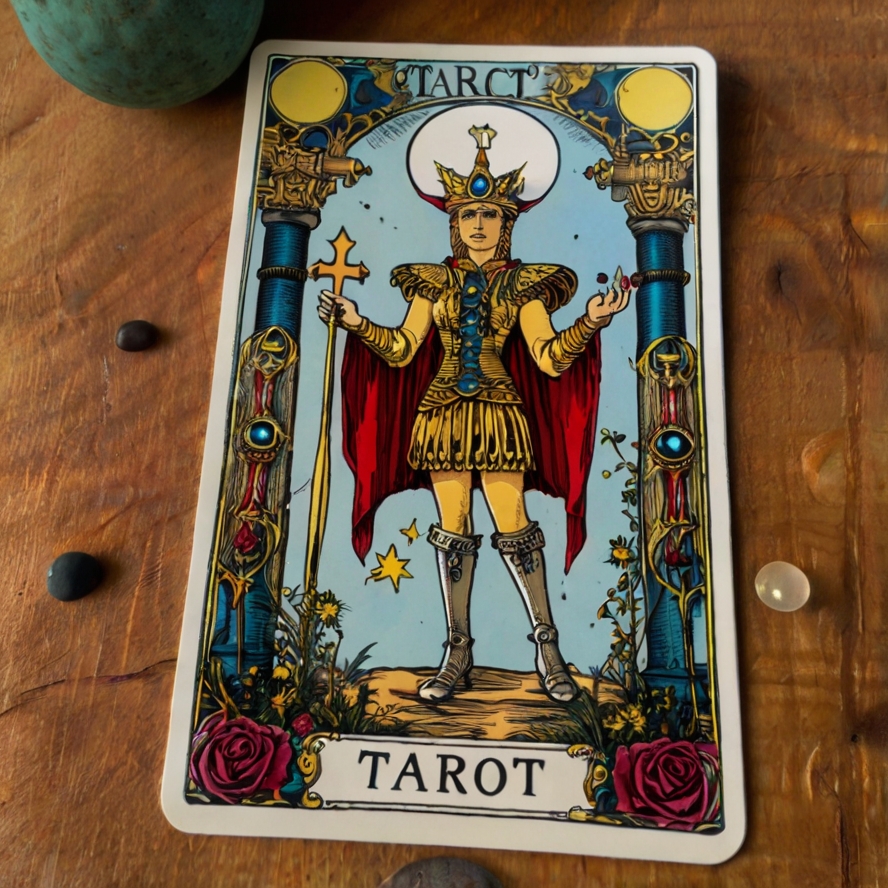
Contemporary interest in magick is also linked to the broader resurgence of spirituality and alternative beliefs. Many people are turning to magick as part of a broader quest for meaning, self-discovery, and personal transformation. Practices such as tarot reading, crystal healing, and astrology, which are often associated with magick, have gained popularity as tools for self-reflection and guidance. For example, tarot cards are used not only for divination but also as a means to explore one’s subconscious and gain insights into personal challenges and growth.
This resurgence is partly a response to the fast-paced, often impersonal nature of modern life. Many individuals seek a deeper connection to themselves and the world around them, finding empowerment in magickal practices. The ritualistic aspects of magick provide a sense of structure and intentionality that can be grounding and centering for people. In a world where traditional religious affiliations are declining, magick offers a flexible, personalized approach to spirituality that can be adapted to individual beliefs and needs.
Moreover, the intersection of magick with wellness and self-care trends has further propelled its popularity. Crystal healing and energy work are often integrated into holistic health practices, promoting physical and emotional well-being. This blending of the mystical with the practical allows magick to remain relevant and appealing in contemporary society, ensuring its continued presence and evolution in modern life.
The Interplay of Science and Magick
The relationship between science and magick is complex and often contentious. While science relies on empirical evidence and logical reasoning, magick is based on belief, intuition, and subjective experience. However, some argue that science and magick are not mutually exclusive but rather complementary ways of understanding the world. This perspective suggests that both can offer valuable insights and tools for exploring the mysteries of existence.
Quantum physics, for example, has challenged traditional notions of reality and causality, leading some to draw parallels between scientific concepts and magickal principles. The idea that consciousness and intention can influence physical reality resonates with magickal practices that emphasize the power of the mind and will. Quantum entanglement and the observer effect, where particles appear to change behavior based on observation, hint at a reality where consciousness plays a crucial role. This aligns with magickal beliefs that focused intention and mental states can shape outcomes.
The scientific study of consciousness, psychology, and the placebo effect has provided insights into how belief and intention can affect human experience and behavior. These findings suggest that magickal practices may have real psychological and physiological effects, even if they cannot be explained by conventional science. For instance, research into the placebo effect shows that belief in the efficacy of a treatment can lead to measurable improvements in health, mirroring how belief in magickal rituals can lead to perceived or actual changes in one’s life.
Additionally, psychology explores the power of symbols, rituals, and archetypes, elements integral to magick. The symbolic language of the unconscious mind, as proposed by Carl Jung, can be seen as a bridge between scientific and magickal understandings of human experience. Rituals, often seen in both psychological therapy and magickal practice, provide a structured way to process emotions, foster personal growth, and manifest intentions.
Thus, while science and magick operate in different paradigms, their interplay can offer a richer, more nuanced view of reality. Embracing both perspectives can lead to a deeper appreciation of the mysteries of the mind, consciousness, and the universe, highlighting the potential for an integrated approach to understanding existence.
In closing
The belief in magick is rooted in history, psychology, culture, and personal experience. It persists because it fulfills deep-seated human needs for meaning, control, and connection. While science has provided explanations for many natural phenomena once attributed to magick, it has not diminished the human fascination with the mysterious and the supernatural.
Magick, with its rich symbolism, rituals, and traditions, continues to captivate and offer a sense of wonder and possibility. Whether viewed as a form of ancient wisdom, a psychological tool, or a spiritual practice, magick remains an enduring aspect of our modern human experience.
In a world that often feels chaotic and unpredictable, magick provides a sense of agency and empowerment. It reminds us that there is more to reality than meets the eye and that the boundaries between the known and the unknown are ever-shifting. The belief in magick, in its many forms and manifestations, shows the power of the human spirit to seek, explore, and create meaning in the face of the great mysteries of existence.
Did any of this information pop your bubble of thought that magick is real? Or has it solidified the reasons why you believe?

 Uncanny Lounge
Leave a comment