
Imagine this: you’re descending into a cave, the air grows colder and the light is fading slowly with every step. The silence is palpable, broken only by the sound of your own breathing and your footfalls on the damp ground. The walls feel like they are closing in, and increasingly, you feel utterly alone. There’s something very unsettling about being underground, and this fear has been exploited in the horror genre. But why are caves and subterranean settings so effective in bringing us terror? Let’s delve into the psychological reasons and explore some chilling book and movie recommendations that capture this fear perfectly.
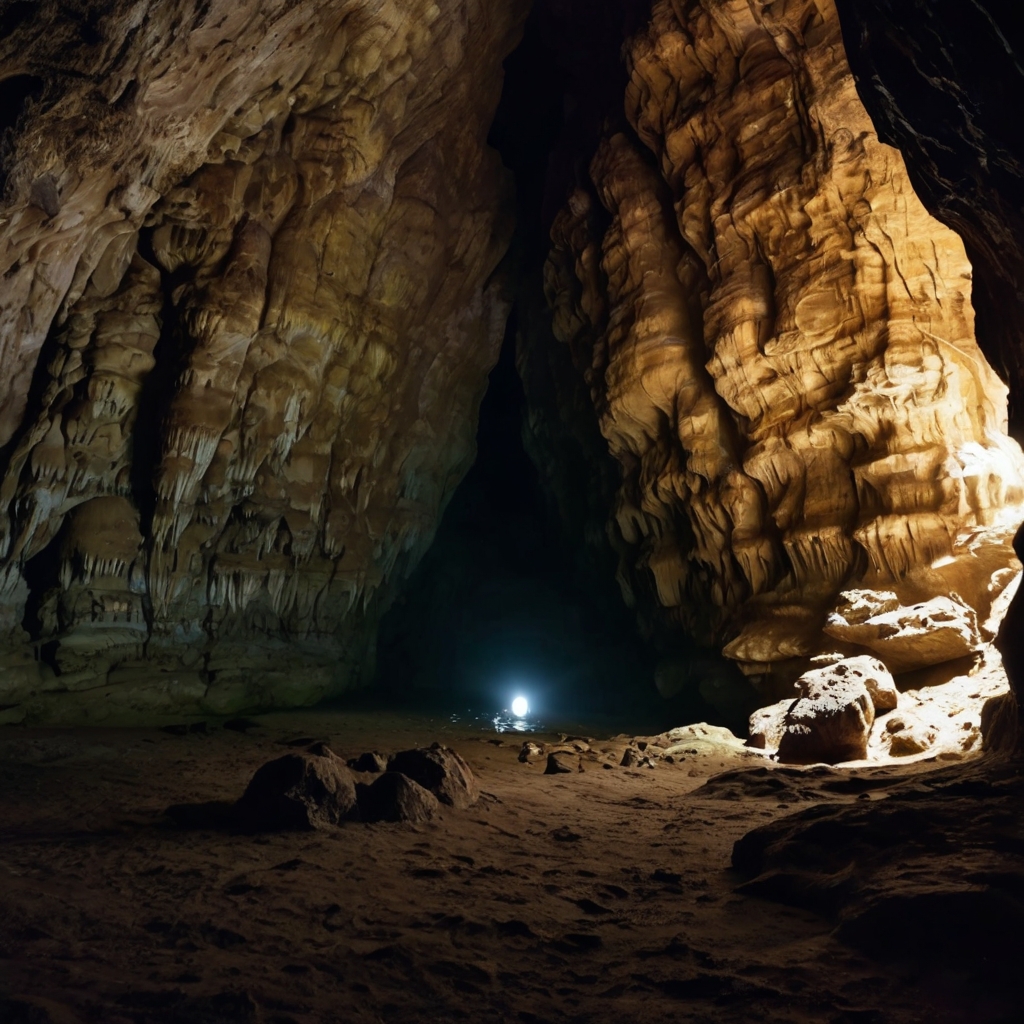
The Psychology of the Subterranean
The grasp of subterranean horror lies not just in its physical settings but in the deep psychological fears it taps into. Understanding these fears is key to appreciating why caves and underground environments are such effective settings for horror. Let’s explore the three major psychological terrors that make subterranean horror so compelling: claustrophobia, nyctophobia, and the fear of the unknown.
Claustrophobia: The Fear of Enclosed Spaces
Claustrophobia, the fear of enclosed spaces, is perhaps the most immediate and visceral fear triggered by caves. This fear can be overwhelming, leading to panic, anxiety, and a desperate need to escape. Claustrophobia is not just about the physical sensation of being trapped; it is deeply tied to a loss of control and the terror of being unable to escape a confining space.
Imagine being wedged into a narrow tunnel, with solid rock pressing in from all sides. There’s no room to turn around, and the only way out is forward, into the unknown. The fear of suffocation and the pressing weight of the earth above can induce a state of sheer panic. Horror narratives capitalize on this by trapping characters in tight, suffocating environments where the walls seem to close in, and the way out becomes a distant memory. This loss of control is terrifying, making the audience feel as if they are trapped alongside the characters.
Films like “The Descent” masterfully exploit claustrophobia. As the characters navigate the narrow, labyrinthine passages of an uncharted cave system, viewers are placed in their shoes, experiencing the same sense of entrapment and fear. The tight spaces and the constant threat of collapse heighten the tension, making every moment fraught with potential danger.
Nyctophobia: The Fear of Darkness
Darkness is another potent element in cave-based horror. Nyctophobia, the fear of darkness, is a primal fear that dates back to our earliest ancestors, who relied on daylight for safety. The absence of light not only disorients but also amplifies other fears. In the pitch-black depths of a cave, the mind plays tricks, shadows seem to move, and the unknown lurks just beyond sight.
The human brain is wired to fear what it cannot see. In total darkness, sensory deprivation heightens other senses, making every sound and movement seem more menacing. Shadows take on a life of their own, and the imagination runs wild. In this environment, the most mundane sounds—a drip of water, the rustle of fabric—can become sources of terror. The fear of what might be hiding in the darkness is magnified, creating a perfect storm of psychological horror.
“As Above, So Below” effectively uses darkness to create an atmosphere of dread. As the characters explore the catacombs beneath Paris, the oppressive darkness and confined spaces amplify their fear. The film plays on the fear of what lies unseen in the shadows, keeping viewers on edge as they anticipate what might emerge from the inky blackness.
The Unknown: Fear of the Unseen
Caves are often associated with the unknown. The fear of the unknown is a fundamental human anxiety. What lies beneath the surface? What ancient secrets or monstrous entities could be hidden away, waiting to be discovered? This fear taps into our most primal anxieties, making caves a perfect setting for horror stories.
The unknown can manifest in many ways. It might be an undiscovered creature, a hidden passage leading to another world, or ancient relics with dark histories. This fear is not just about physical danger but also about the existential dread of confronting something beyond human understanding. The deeper one goes into a cave, the further they move away from the familiar and the safe, entering a realm where the rules of the known world no longer apply.
Jeff Long’s novel “The Descent” explores this fear by introducing readers to a vast, subterranean civilization inhabited by a race of humanoid creatures. The explorers’ journey into the depths of the earth is fraught with peril and the unknown. The novel masterfully combines adventure with horror, as the characters confront not only the physical dangers of the cave but also the existential dread of what they might discover.
The fear of the unknown is also central to the appeal of cave horror films like “The Cave.” As the divers explore an underwater cave system, they encounter creatures and phenomena that defy explanation. The sense of venturing into an uncharted and hostile environment heightens the tension, keeping viewers on the edge of their seats.
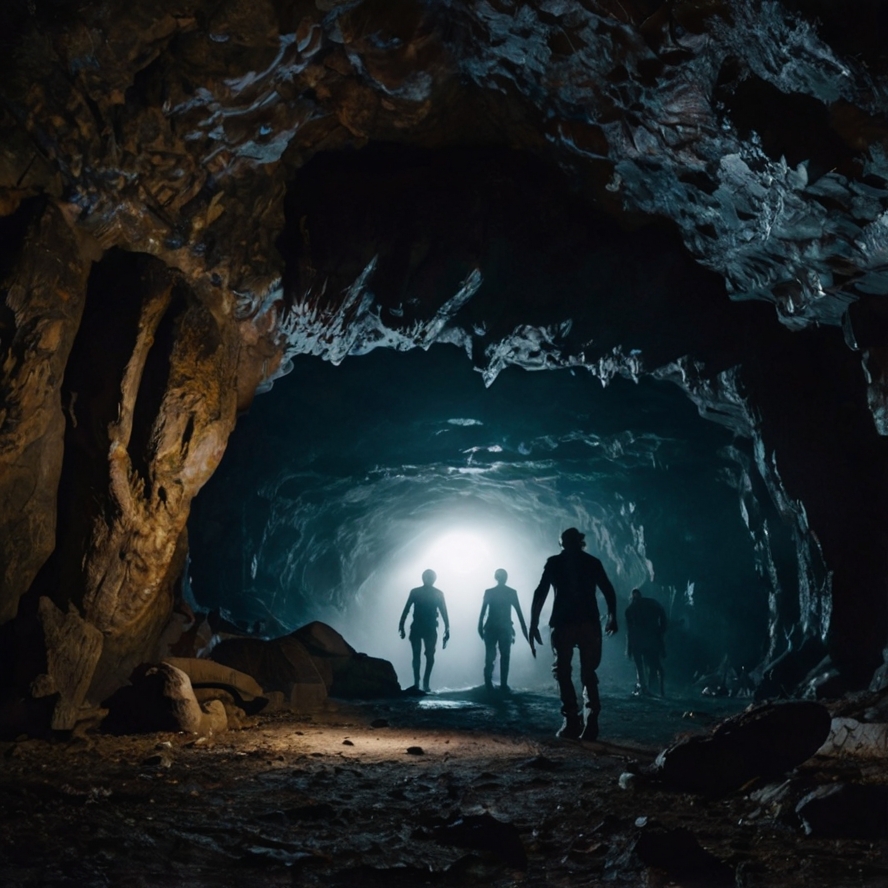
Cave Horror Movies
“The Descent” (2005)
“The Descent” is a quintessential cave horror film. It follows a group of women on a spelunking expedition that goes horribly wrong. As they navigate the uncharted cave system, they encounter claustrophobic passageways, disorienting darkness, and eventually, terrifying creatures. The film masterfully combines psychological terror with physical threats, making it a must-watch for horror fans.
“As Above, So Below” (2014)
This found-footage horror film takes viewers into the catacombs beneath Paris. The film blends historical references with supernatural elements, creating an atmosphere of dread. As the characters delve deeper, they encounter increasingly bizarre and terrifying phenomena, playing on the fear of the unknown and the inescapability of the underground.
“The Cave” (2005)
In “The Cave,” a group of divers explores an underwater cave system, only to find themselves trapped and pursued by deadly creatures. The film combines elements of survival horror with the terror of being trapped in a hostile environment. The underwater sequences add an extra layer of claustrophobia and helplessness.
“Sanctum” (2011)
Not a horror with scary underground creatures but a mightily claustophobia inducing ‘stuck in a cave, are we going to live’ movie. This movie did come out in 3D and that would have made it pretty traumatizing. The movie is as formulaic as it sounds but it is a great one if you like cave horror. Of note is that the movie was inspired by the Writer/producer’s (Andrew Wight) own cave diving incident in 1988 at the Pannikin Plains Cave on the Nullarbor Plain in Australia where 15 cavers were trapped after flooding caused a cave collapse. You can find a short movie about the incident around the web, Nullabor Dreaming. Also of note is the 2021 movie “The Rescue’ about the 2018 Thai cave rescue.

Cave Horror Books
“The Luminous Dead” by Caitlin Starling
This sci-fi horror tells the story of a caver named Gyre, who takes on a solo mission to explore an alien cave system. As she delves deeper, she begins to suspect that her handler, Em, is not telling her the whole truth about the mission. The psychological tension between Gyre and Em, combined with the physical dangers of the cave, creates a gripping and claustrophobic read.
“The Descent” by Jeff Long
Not to be confused with the film of the same name, Jeff Long’s “The Descent” explores the concept of an ancient, subterranean civilization. The novel follows a group of explorers who discover a vast network of caves inhabited by a race of humanoid creatures. The blend of adventure, horror, and existential dread makes this book a compelling exploration of underground terror.
“Subterranean” by James Rollins
Beneath the ice at the bottom of the Earth is a magnificent subterranean labyrinth, a place of breathtaking wonders – and terrors beyond imagining. A team of specialists led by archaeologist Ashley Carter has been hand-picked to explore this secret place and to uncover the riches it holds. But they are not the first to venture here – and those they follow did not return. There are mysteries here older than time, and revelations that could change the world. But there are also things that should not be disturbed – and a devastating truth that could doom Ashley and the expedition: they are not alone.
Real-Life Inspiration: The Terrifying True Tales of Caves
The Bell Witch Cave

Nestled in the quiet countryside of Adams, Tennessee, the Bell Witch Cave is linked to one of America’s most famous hauntings. This seemingly innocuous cave is reputed to be the dwelling place of the Bell Witch, a malevolent spirit that terrorized the Bell family in the early 19th century. The tale of the Bell Witch has become a staple of American folklore, inspiring numerous horror stories.
The haunting of the Bell family began in 1817 when John Bell and his family started experiencing bizarre and terrifying events on their farm. They heard strange noises, such as knocking on walls and faint, whispering voices that seemed to come from nowhere. The family was plagued by physical attacks, with some members being slapped, pinched, and even pulled from their beds by an unseen force. The spirit identified itself as “Kate” and expressed a particular hatred for John Bell, vowing to kill him.
The Bell Witch’s most notorious feat was the death of John Bell in 1820. Kate took credit for his demise, claiming that she had poisoned him. Following his death, the spirit’s activity declined but never completely ceased. The Bell Witch Cave, located on the Bell family property, is believed to be one of the spirit’s primary haunts. Local legends suggest that the cave serves as a portal or refuge for the witch.
Visitors to the Bell Witch Cave today often report eerie and unexplained experiences. Accounts of strange sounds, disembodied voices, and feelings of being watched are common. Some visitors also claim to have seen shadowy figures and experienced sudden, unexplainable drops in temperature. These reports have only added to the cave’s reputation as a genuine haunted location.
The Bell Witch Cave continues to attract paranormal enthusiasts, researchers, and curious tourists, all eager to experience its otherworldly atmosphere firsthand. The cave’s dark history and the legend of the Bell Witch make it an example of how real-life locations can inspire and perpetuate horror stories and keeping the tale of the Bell Witch alive in the public’s imagination.
The Caves of Hellfire Club
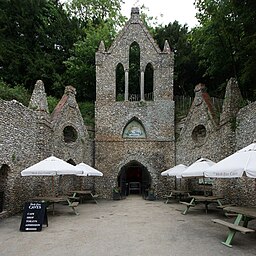
The Hellfire Club, an infamous secret society from the 18th century, is rumored to have conducted dark and debauched rituals in the caves beneath West Wycombe, England. These subterranean passages, known as the Hellfire Caves they are steeped in a sinister history that continues terrify those who visit.
Founded by Sir Francis Dashwood, the Hellfire Club was known for its hedonistic and often blasphemous activities. The club’s motto, “Fais ce que tu voudras” (Do what thou wilt), summed up its libertine philosophy. The caves provided a secluded and atmospheric setting for the club’s meetings, far removed from the prying eyes of the public.
The Hellfire Caves were originally excavated by local laborers under Dashwood’s direction, creating a network of winding tunnels and chambers. These caverns were designed with both practical and symbolic purposes in mind. The layout of the caves mimics the journey from hell to heaven, with dark, narrow passages leading to larger, more ornate chambers. This architectural choice reinforced the club’s themes of sin and redemption.
Stories of the Hellfire Club’s activities have contributed to the caves’ eerie reputation. Members are said to have indulged in rituals that ranged from the absurd to the outright diabolical. Tales of black masses, mock religious ceremonies, and other unsavory activities abound, fueling speculation and ghostly legends.
Visitors to the Hellfire Caves today often report strange occurrences. Cold spots, eerie sounds, and the feeling of being watched are common experiences. Some claim to have seen the apparitions of robed figures and heard whispers echoing through the dark tunnels. These phenomena are believed to be the restless spirits of those who participated in the club’s notorious gatherings.
The Hellfire Caves remain a popular tourist attraction, drawing those fascinated by their dark history and the possibility of encountering the supernatural. As a setting rich in both historical and paranormal intrigue.

The Symbolism of Caves in Horror
Caves hold a lot of symbolism in the horror genre that resonates with the human psyche. They often represent the hidden recesses of the mind, with themes of descent into the subconscious, and the dual notions of the womb and rebirth. These symbolic layers add a richness and depth to horror narratives, making caves an ideal setting for exploring fear and transformation.
Descent into the Subconscious
Caves frequently symbolize a journey into the subconscious, a place where the surface-level consciousness gives way to deeper, often darker thoughts and emotions. This descent mirrors the exploration of the unknown territories of the mind, where repressed fears, traumas, and hidden aspects of the self reside. In horror narratives, characters venturing into caves are not merely exploring a physical space but are also delving into their own psychological depths.
The deeper the characters go, the more they are forced to confront their inner demons. This journey often leads to terrifying revelations and personal confrontations. The claustrophobic, oppressive environment of the cave becomes a metaphor for the characters’ mental and emotional entrapments. The transformation that occurs during this symbolic descent can be profound, resulting in either a psychological breakthrough or a complete breakdown.
The Womb and Rebirth
Conversely, caves can also symbolize the womb, representing shelter, protection, and the possibility of rebirth. This dual symbolism adds a layer of complexity to horror stories set in caves. The characters’ journey through the cave can be interpreted as a metaphorical rebirth process, where the traumatic experiences they endure lead to a form of renewal or transformation.
In this context, the cave is both a place of death and a site of new beginnings. The characters’ struggles and survival in the hostile, dark environment can be seen as a rite of passage, leading to a stronger, more resilient self. This notion of rebirth through trauma is a recurring theme in horror, emphasizing the potential for growth and change even in the face of overwhelming fear and danger.
For instance, in the film “The Descent,” the all-female caving expedition symbolizes both a literal and figurative descent into darkness. As the characters battle the cave’s monstrous inhabitants and their own psychological terrors, they undergo profound personal transformations. The cave becomes a way of testing their limits and emerging, if they survive, fundamentally changed.

In closing: Why We Keep Going Back
Despite—or perhaps because of—the fear they evoke, we are drawn to stories set in the dark places. They challenge us to confront our fears, to explore the unknown, and to emerge stronger on the other side. So next time you’re looking for a good scare, consider venturing into the world of subterranean horror. Just remember to bring a flashlight—and maybe a friend.
The combination of claustrophobia, nyctophobia, and the fear of the unknown it creates a scary mix of psychological terrors that make caves and underground settings so effective in horror. These fears tap into our deepest anxieties, making us confront the limits of our control, the power of darkness, and the dread of the unknown.
Recommendations Recap
Movies:
- The Descent (2005)
- As Above, So Below (2014)
- The Cave (2005)
- Sanctum (2011)
Documentaries:
1. “Nullabor Dreaming” (1989)
2. “The Rescue” (2021) Tham Luang cave rescue
Books:
- The Luminous Dead by Caitlin Starling
- The Descent by Jeff Long
- Subterranean by James Rollins
These recommendations will take you on a journey into the darkest depths, where fear and fascination intertwine. Happy exploring, and remember: the real horror might just be what you bring with you.

 Uncanny Lounge


Leave a comment