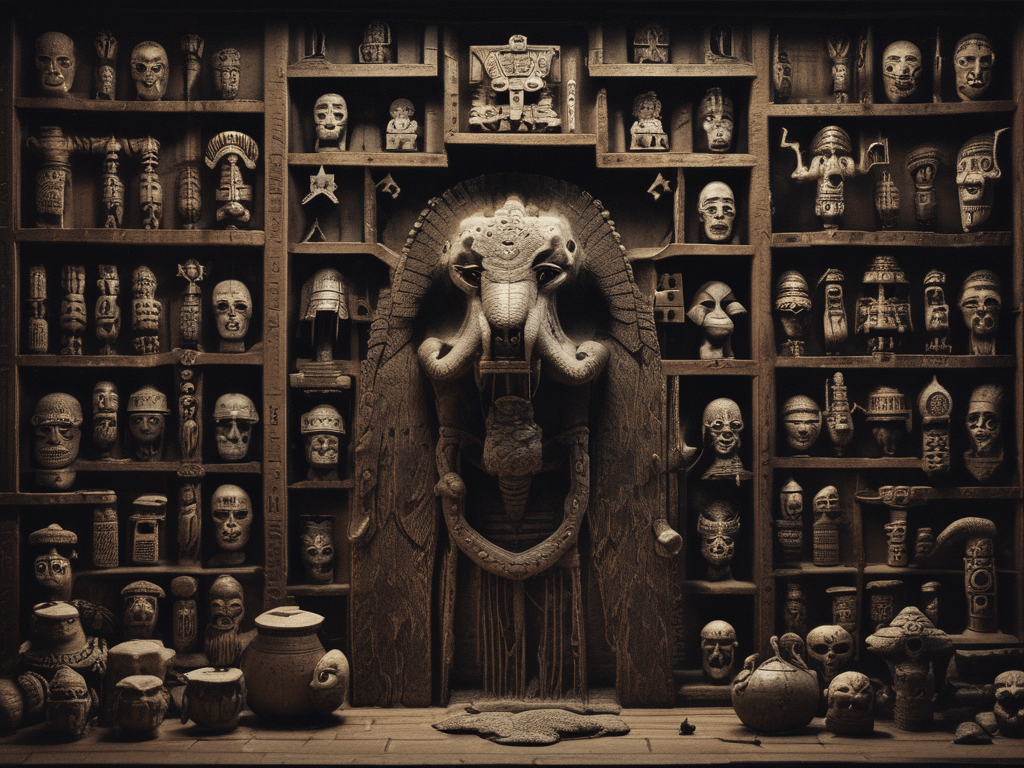
Horror, as a genre, transcends borders and cultures, yet it manifests in unique ways across the world. Each culture has its own set of fears, myths, and legends that shape its horror stories, creating a rich tapestry of terrifying tales that reflect the deepest anxieties of their people. This post explores how horror is perceived and depicted in various cultures, delving into historical contexts, mythical creatures, and modern interpretations to understand the universal yet diverse nature of fear.
The Historical Roots of Horror
Ancient Civilizations
The roots of horror can be traced back to ancient civilizations. In Egypt, the belief in the afterlife and the elaborate rituals surrounding death gave rise to tales of curses and vengeful spirits, exemplified by the legendary curse of King Tutankhamun’s tomb. In Greece, the underworld and creatures like the Gorgons and the Minotaur played central roles in their myths, symbolizing the unknown and uncontrollable forces of nature.
Medieval Europe
Medieval Europe was a fertile ground for horror, shaped by a mix of Christian beliefs and lingering pagan traditions. The fear of witchcraft and the devil led to witch hunts and the persecution of supposed witches. The Black Death, which decimated the population, also fueled apocalyptic fears and morbid fascination with death, evident in the macabre art and literature of the time.
Indigenous Cultures
Indigenous cultures around the world have their own unique horror traditions. In Native American folklore, the Wendigo, a cannibalistic spirit, represents the dangers of isolation and unchecked greed. Similarly, the Aboriginal Australians have stories of the Yara-ma-yha-who, a vampiric creature that preys on the unwary, reflecting their connection to the land and its spirits.
Myths and Monsters
East Asia: Japan and China
In East Asia, horror often revolves around spirits and the supernatural. In Japan, the tradition of Kaidan (ghost stories) includes famous tales like that of Oiwa, a vengeful spirit from the play “Yotsuya Kaidan,” and the Jorogumo, a spider woman who lures men to their doom. These stories often emphasize themes of betrayal, revenge, and the consequences of disturbing the natural order.
China’s horror mythology includes Jiangshi, or “hopping vampires,” which are reanimated corpses that feed on the life force of the living. These creatures reflect traditional Chinese beliefs about the importance of proper burial and ancestor worship. Another notable figure is the Ba Jiao Gui, a ghost that haunts banana trees and can be summoned to grant wishes, but at a terrible cost.
South Asia: India
Indian horror draws heavily from its rich history in mythology and religious beliefs. The Rakshasa, shape-shifting demons, and the Chudail, female spirits who died untimely deaths, are prominent figures in Indian folklore. These tales often explore themes of morality, karma, and the cyclical nature of life and death. The legend of the Vetala, a ghost that possesses corpses, has been a significant influence on Indian horror literature, including the famous “Vetala Panchavimshati” or “Baital Pachisi.”
Africa: West African Folklore
West African horror is deeply intertwined with its spiritual beliefs and oral traditions. The Asanbosam, a vampire-like creature with iron teeth and hooks for feet, preys on humans in the forests of Ghana and Ivory Coast. The Mami Wata, a water spirit often depicted as a mermaid, embodies both allure and danger, representing the unpredictable nature of water and its life-giving and life-taking properties.
Europe: Slavic and Celtic Myths

Eastern Europe, particularly the Slavic regions, has a rich tradition of horror stories. The Baba Yaga, a witch who lives in a house on chicken legs, is a central figure in Russian folklore. She is both a maternal and a terrifying figure, representing the dual nature of life and death. The Rusalka, spirits of women who died violent deaths, are said to lure men to watery graves, reflecting themes of betrayal and the natural world’s vengeance.
In Celtic mythology, the Banshee is a harbinger of death, wailing to forewarn families of impending doom. The Púca, a shape-shifting spirit, embodies the untamed forces of nature, sometimes helping and sometimes harming those who encounter it. These stories often highlight the thin veil between the natural and supernatural realms.
Modern Interpretations and Cultural Reflections
Western Horror: America and Europe

In the modern Western context, horror has evolved to reflect contemporary fears and societal issues. American horror, particularly through film and literature, often explores themes of isolation, alienation, and the unknown. Classic examples include Stephen King’s works, which delve into the dark aspects of small-town America, and films like “The Exorcist,” which confront the clash between science and religion.
European horror, particularly from countries like Spain and Italy, has a distinct style that blends historical and supernatural elements. Guillermo del Toro’s “Pan’s Labyrinth” is a prime example, using fairy tale motifs to explore the horrors of the Spanish Civil War. Italian Giallo films, with their emphasis on mystery and graphic violence, have influenced the slasher genre worldwide.
Asian Horror: Japan, Korea, and Beyond
Asian horror has gained international acclaim for its unique approach to the supernatural. Japanese horror, or J-Horror, often revolves around vengeful spirits and cursed objects, as seen in films like “Ringu” and “Ju-on: The Grudge.” These stories emphasize psychological terror and the inescapability of the past.
Korean horror, or K-Horror, blends traditional folklore with contemporary issues. Films like “The Wailing” and “Train to Busan” combine supernatural elements with social commentary, addressing themes like familial bonds, societal decay, and the clash between tradition and modernity.
Latin American Horror: Mexico and Brazil
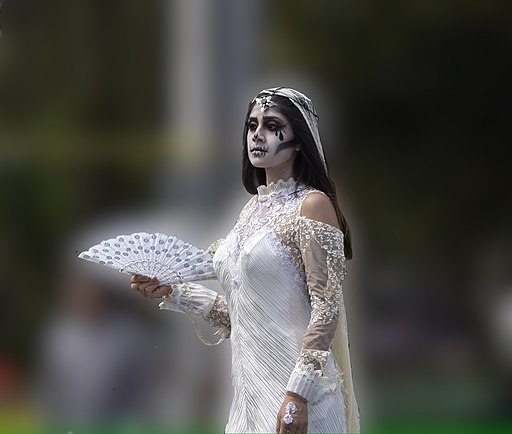
Latin American horror often reflects the region’s complex history of colonization, religion, and indigenous beliefs. Mexican horror films like “La Llorona” draw from local legends of the weeping woman, a ghost doomed to wander the earth searching for her lost children. These tales explore themes of guilt, loss, and the consequences of one’s actions.
Brazilian horror, while less internationally known, offers a rich blend of African, indigenous, and Portuguese influences. The legend of the Curupira, a forest spirit with backward feet, serves as a protector of the wilderness, punishing those who exploit nature. This reflects a deep-rooted respect for the environment and the belief in its inherent power.
Horror and Contemporary Thought
The Universality of Fear
Despite the diverse manifestations of horror across cultures, certain themes remain universal. Fear of the unknown, death, and the supernatural are common threads that connect these stories. They serve as a way for societies to grapple with their deepest anxieties and to make sense of the world around them.
Horror as Social Commentary
Modern horror often serves as a mirror to contemporary societal issues. It can be a powerful tool for exploring and critiquing cultural norms, historical traumas, and existential fears. For example, Jordan Peele’s “Get Out” uses horror to address racism and the African American experience in the United States. Similarly, Bong Joon-ho’s “Parasite,” while not strictly a horror film, employs elements of the genre to critique social inequality and class struggle in South Korea.
The Role of Technology
In the digital age, horror has also evolved to address the anxieties surrounding technology and its impact on our lives. Films like “Unfriended” and “Cam” explore the horrors of social media and online identities, reflecting modern fears of privacy invasion and the loss of control over one’s digital presence.
Cross-Cultural Influences
Globalization has led to a cross-pollination of horror traditions, with elements from different cultures blending to create new and innovative forms of fear. The success of international horror films and literature has introduced global audiences to diverse mythologies and storytelling techniques, enriching the genre as a whole. For instance, Guillermo del Toro’s works often fuse elements of Mexican folklore with European Gothic traditions, creating a unique and compelling narrative style.
In closing
Horror, in all its forms, offers us a fascinating look into the fears and values of different cultures. From ancient myths to modern interpretations, these stories reflect the universal human experience of grappling with the unknown and the uncontrollable. By understanding the cultural contexts that shape these tales, we gain a deeper appreciation for the genre’s ability to transcend borders and resonate with audiences worldwide.
As we continue to explore and share these stories, we enrich our collective understanding of fear and its role in our lives. Whether through the vengeful spirits of Japanese folklore, the demonic entities of European mythology, or the social critiques of contemporary horror films, the genre remains a powerful and enduring means of exploring the darkest corners of the human psyche

 Uncanny Lounge
Leave a comment