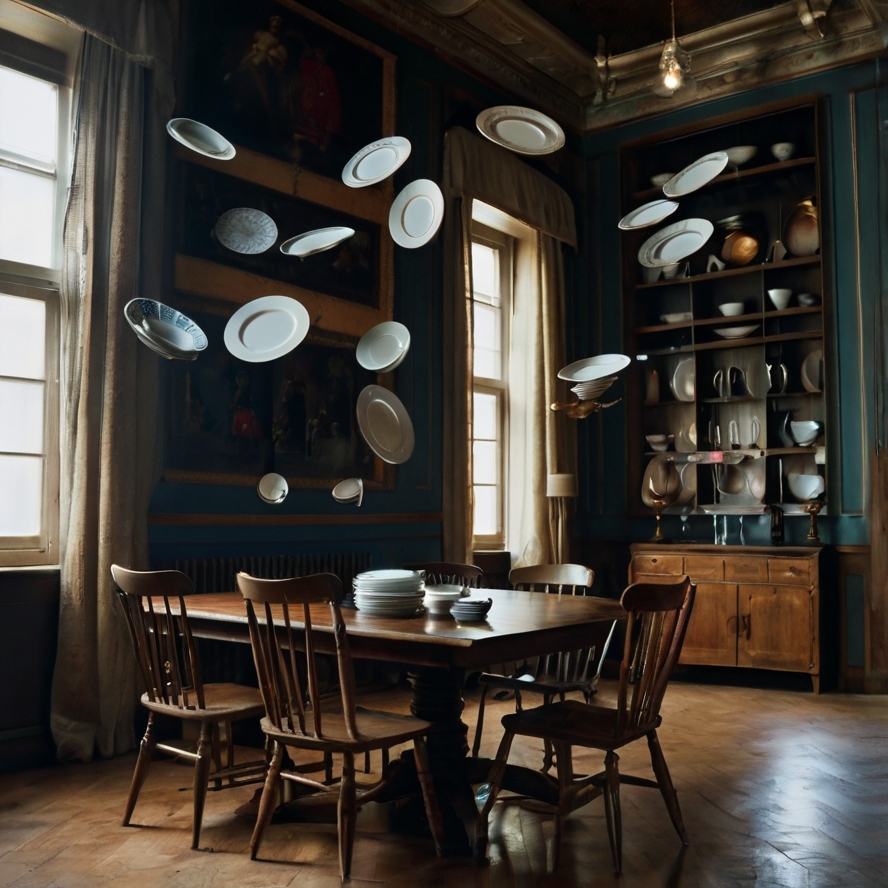
Have you ever wondered if the eerie bumps in the night, the spectral apparitions, or the inexplicable cold spots in your house are more than just figments of your imagination? They could be linked to something deeper within the human psyche. This question has sparked debate for centuries for both believers and skeptics. Let’s delve into the history and debate of paranormal activity and its potential connections to mental disorders.
The Historical Context
Paranormal activity has been part of human history since ancient times. From the ghostly legends of ancient Egypt to the haunted castles of medieval Europe, tales of spirits and otherworldly beings have been passed down through generations.
Ancient Beliefs
In ancient civilizations, paranormal experiences were often interpreted through a spiritual lens. The Egyptians, for example, believed that spirits of the deceased could return to the physical world. Similarly, the Greeks and Romans had their own ghost stories, attributing paranormal phenomena to the actions of gods and spirits.
The Middle Ages
During the Middle Ages, the Church played a significant role in interpreting paranormal activity. Many believed that ghostly apparitions were souls in purgatory seeking help from the living. Witch hunts and trials became common, often targeting those who claimed to have supernatural abilities.

The Debate: Paranormal Activity vs. Mental Disorders
The debate over whether paranormal activity is linked to mental disorders is both complex and has many levels. Here, we’ll explore the arguments from both sides.
The Skeptics’ View
Skeptics argue that paranormal experiences can often be explained by psychological factors. Conditions such as schizophrenia, sleep paralysis, and dissociative identity disorder can produce symptoms that mimic paranormal activity.
Schizophrenia
Schizophrenia is a mental disorder characterized by hallucinations, delusions, and disorganized thinking. Individuals with schizophrenia might hear voices or see things that aren’t there, leading some to believe they are experiencing paranormal phenomena.
Sleep Paralysis
Sleep paralysis occurs when a person is unable to move or speak while falling asleep or waking up. This condition can be accompanied by vivid hallucinations, often involving shadowy figures or other eerie sensations. Many historical accounts of ghost sightings can be attributed to sleep paralysis.
The Believers’ Perspective
On the other hand, many believe that paranormal experiences cannot be solely attributed to mental disorders. They argue that there are numerous accounts of paranormal activity witnessed by mentally sound individuals.
Personal Testimonies
There are countless testimonies from people who claim to have experienced paranormal activity. These accounts often include detailed descriptions of ghostly encounters, haunted locations, and unexplained phenomena that seem too specific to be mere hallucinations.
Paranormal Investigations
Paranormal investigators use various tools and techniques to document ghostly activities. They argue that their findings provide evidence that cannot be dismissed as mere psychological anomalies. From EVP (Electronic Voice Phenomena) recordings to infrared camera footage, these investigations aim to bridge the gap between belief and skepticism.

Movie Representations
Hollywood has long been fascinated with the intersection of paranormal activity and mental disorders. Films often blur the lines between psychological horror and supernatural terror, creating narratives that leave audiences questioning what is real and what is imagined.
“The Sixth Sense” (1999)
M. Night Shyamalan’s “The Sixth Sense” is a prime example of this blend. The film follows a young boy who claims to see dead people. His experiences are initially dismissed as symptoms of a mental disorder, but as the story unfolds, it becomes clear that his visions are genuine.
“The Exorcism of Emily Rose” (2005)
This film is based on the true story of Anneliese Michel, a young woman who underwent exorcisms to rid herself of demonic possession. Her case sparked debates about the role of mental illness versus genuine paranormal activity.
Real-Life Examples
To further understand the link between paranormal activity and mental disorders, let’s examine some real-life cases that have stirred controversy and intrigue.
The Enfield Poltergeist
In the late 1970s, the Hodgson family in Enfield, England, reported a series of disturbing paranormal events. Furniture moved on its own, objects were thrown across rooms, and strange noises were heard. Skeptics argued that the children were fabricating the events, while believers saw it as genuine poltergeist activity.
The Bell Witch
In the early 19th century, the Bell family of Tennessee claimed to be haunted by a malevolent spirit. The entity tormented the family, particularly the daughter, Betsy. Some historians suggest that the events could have been manifestations of mental illness within the family, while others maintain that it was a true paranormal event.
The Case of Doris Bither
In 1974, Doris Bither claimed to be assaulted by unseen forces in her California home. Paranormal investigators documented strange lights and other phenomena in her house. Some believe that Doris’s troubled past and mental health issues played a role in her experiences, while others view it as undeniable evidence of the supernatural.
Psychological Explanations
While these cases provide intriguing anecdotes, psychological explanations offer alternative perspectives.
Cognitive Bias
Cognitive biases can influence how we perceive and interpret experiences. Confirmation bias, for instance, might lead someone to focus on information that supports their belief in the paranormal while ignoring evidence to the contrary.
Pareidolia
Pareidolia is the tendency to perceive familiar patterns, such as faces, in random stimuli. This phenomenon can explain why people see ghostly figures in shadows or hear voices in white noise.
The Power of Suggestion
The power of suggestion can also play a significant role. When someone is told that a location is haunted, they are more likely to interpret ambiguous stimuli as paranormal activity.
The Role of Culture and Media
Culture and media significantly shape our perceptions of paranormal activity and mental disorders. Ghost stories, horror films, and even news reports can influence how we interpret strange experiences.
Cultural Influences
Different cultures have unique interpretations of paranormal phenomena. In Japan, the concept of yurei (ghosts) is deeply rooted in tradition, while in Western cultures, the idea of haunted houses is prevalent. These cultural narratives shape how people experience and report paranormal activity.
Media Representation
Media representation also plays a crucial role. Television shows like “Ghost Hunters” and “The X-Files” popularize the idea of paranormal investigations, while horror films depict extreme and often exaggerated versions of supernatural events. These portrayals can create a feedback loop, reinforcing beliefs in the paranormal.

In closing
We cannot say definitively either way whether all paranormal occurrences are real or a result of the mind, strange things do happen and sometimes there is not a clear reason why. Paranormal activity plays into our beliefs and and mental disorders can have a reach beyond one person. While skeptics argue that psychological explanations can account for many paranormal experiences, believers point to numerous accounts and investigations that suggest otherwise. The truth likely lies somewhere in between, with a combination of psychological, cultural, and perhaps even genuine paranormal factors at play.
In the end, whether you lean towards skepticism or belief, the mysteries of the paranormal continue to hold our imaginations. As long as there are things that go bump in the night, the debate will undoubtedly persist.
Have you had strange occurrences that you cannot reasonably explain?

 Uncanny Lounge
Leave a comment