
Mass hysteria, a phenomenon where collective illusions of threats spread through a population as a result of rumors and fear, has fascinated and terrified people for centuries. This psychological contagion can lead to irrational behavior, and in extreme cases, societal chaos. Let’s dive into some real-life examples and cinematic portrayals of mass hysteria.
What is Mass Hysteria?
Before we get into the gripping stories, let’s understand what mass hysteria is. Mass hysteria, also known as collective hysteria or group hysteria, is the rapid spread of panic and irrational behavior among a group of people. It often involves physical symptoms, such as headaches or dizziness, and can be triggered by stress, fear, or rumors.
But what does this look like in real life?
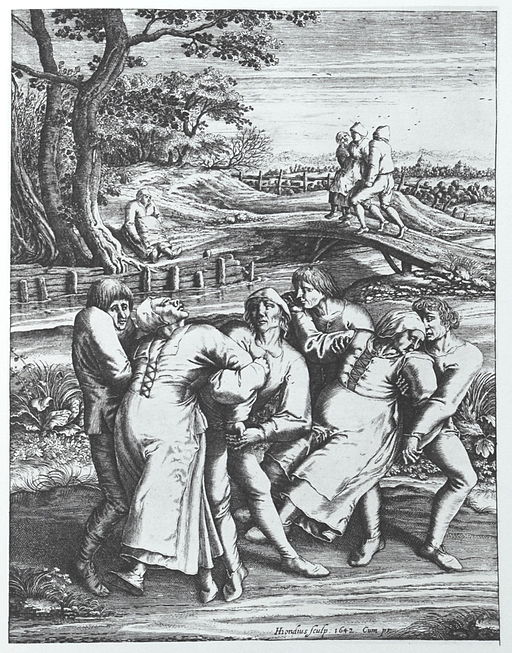
The Dancing Plague of 1518
Imagine a group of people dancing uncontrollably for days, unable to stop until they collapse from exhaustion. It sounds like a scene from a horror movie, but this actually happened in 1518 in Strasbourg, France.
The Incident
One summer day in July, a woman named Frau Troffea began dancing in the streets. Within a week, dozens of people joined her. There was no music, no festivity—just relentless, frenzied dancing. As the number of dancers grew, so did the panic. People danced until they collapsed from exhaustion or even died from heart attacks and strokes.
The Aftermath
Physicians at the time blamed the phenomenon on “hot blood” and prescribed more dancing to cure the afflicted. A stage and musicians were brought in to encourage the dancers, but the plan backfired. The dance marathon continued until the hysteria finally subsided in September, as mysteriously as it had begun.
The Salem Witch Trials
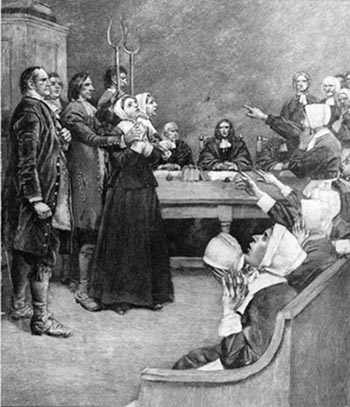
When we talk about mass hysteria, the Salem Witch Trials often come to mind. This tragic event is a prime example of how fear and superstition can lead to disastrous consequences.
The Beginning
In 1692, in the Puritan settlement of Salem, Massachusetts, a group of young girls began exhibiting strange behaviors—convulsions, screaming, and fits. The local doctor attributed these symptoms to witchcraft. Panic spread through the community like wildfire.
The Accusations
As fear grew, more and more people were accused of practicing witchcraft. Neighbors turned on each other, and the atmosphere of paranoia escalated. Those accused faced severe punishment if they did not confess, leading many to falsely admit to being witches to save their lives.
The Trials and Executions
The trials that followed were notoriously biased and unfair. In total, 20 people were executed, and several others died in prison. The hysteria only ended when the governor of Massachusetts intervened and declared the trials unlawful.

The 1938 War of the Worlds Broadcast
Sometimes, mass hysteria can be sparked by a simple misunderstanding. This was the case during the infamous 1938 radio broadcast of “War of the Worlds.”
The Broadcast
On Halloween night in 1938, Orson Welles and his Mercury Theatre on the Air performed a radio adaptation of H.G. Wells’ novel “The War of the Worlds.” The broadcast was presented as a series of news bulletins, detailing an alien invasion in New Jersey. Did Welles know the effect the broadcast may bring, quite likely but certainly not to the extent it did.
The Panic
Despite announcements that the broadcast was a work of fiction, many listeners believed it to be real. Panic ensued, with reports of people fleeing their homes and clogging up communication lines to seek information. The event is now a legendary example of how quickly fear can spread through mass media.
Modern Day Mass Hysteria: The Pokémon Panic
Mass hysteria isn’t confined to the distant past. In 1997, a popular children’s TV show triggered a wave of panic across Japan.
The Incident
During an episode of the Pokémon anime, a scene featuring rapidly flashing lights caused nearly 700 children to experience symptoms like dizziness, nausea, and seizures. The phenomenon, known as “Pokémon Shock,” led to a temporary suspension of the show and widespread fear among parents.
The Aftermath
While the incident was eventually attributed to photosensitive epilepsy, the immediate reaction was a classic example of mass hysteria. Schools and parents reacted with fear and precautionary measures, despite the relatively low risk of recurrence. The episode also had an effect on broadcasting standards to limit the use of strobing lights and to include warning notices if there may be effects.
Mass Hysteria in Cinema
Mass hysteria has also been a rich source of inspiration for filmmakers. Movies often exaggerate the phenomenon, but they also highlight the psychological and societal impact of such events.
The Birds (1963)
Alfred Hitchcock’s classic thriller “The Birds” depicts a town thrown into chaos when birds inexplicably begin attacking people. The residents’ growing paranoia and irrational behavior in response to the attacks are emblematic of mass hysteria.
Contagion (2011)
In Steven Soderbergh’s “Contagion,” a deadly virus spreads rapidly across the globe, causing widespread panic. The film explores how misinformation and fear can exacerbate a crisis, leading to chaos and breakdowns in societal order.
The Crucible (1996)
Based on Arthur Miller’s play, “The Crucible” dramatizes the Salem Witch Trials, highlighting the destructive power of mass hysteria. The film shows how fear and suspicion can lead to the persecution of innocent people, a theme that resonates with historical and modern-day events.
Why Does Mass Hysteria Happen?
Understanding the causes of mass hysteria can help us prevent or mitigate its effects. Several factors contribute to the phenomenon:
Social and Psychological Stress
Periods of high stress and uncertainty, such as wars, pandemics, or economic downturns, can increase the likelihood of mass hysteria. People are more prone to irrational behavior when they feel threatened or powerless.
Group Dynamics
The influence of group behavior cannot be underestimated. When individuals see others reacting with fear or panic, they are more likely to do the same. This herd mentality can quickly escalate a minor incident into a full-blown crisis.
Media Influence
The role of the media in spreading information and misinformation is significant. Sensationalized news reports, social media rumors, and fictional portrayals can all contribute to the spread of mass hysteria.
In closing
Mass hysteria is a powerful reminder of the human capacity for both fear and resilience. By studying historical examples and understanding the factors that contribute to collective panic, we can better prepare for and respond to future incidents.

 Uncanny Lounge
Leave a comment