
Have you ever wondered how to give your stories that dark, eerie, and atmospheric touch that lingers with your readers long after they’ve turned the last page?
It’s Sunday morning and it’s a foggy old morning, what a fantastic time to have a bit of a practical session and mix together the ingredients for a spooky Gothic horror. Whether your taste is literature or film these elements all blend with each other to craft yourself a gothic storyline.
Gothic fiction has a way of pulling us into a world where the lines between the supernatural and the psychological become interchangeable. But how do we incorporate these elements into our own writing?
Let’s dive into the essentials of Gothic storytelling, from setting the mood to crafting unforgettable characters. Mix these six elements into your story bowl and you may just create magic.
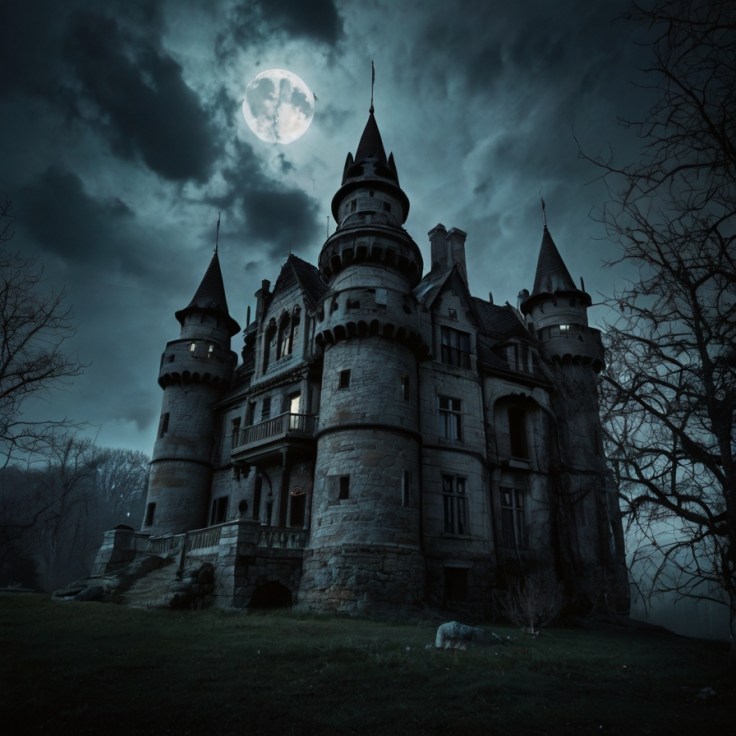
1. Set the Stage with a Haunting Atmosphere
Imagine This: A crumbling castle on a cliffside, battered by relentless winds and shrouded in fog.
Why It Works: The setting is the backbone of any Gothic story. It serves not just as a backdrop but as a character in itself. Gothic literature thrives on locations that evoke a sense of mystery, dread, and melancholy. Think of the decaying estates in Wuthering Heights or the eerie landscapes in The Fall of the House of Usher.
How to Do It:
- Choose a Setting: Select a location that feels isolated and unsettling. It could be an old mansion, a windswept moor, or even an abandoned town. The more remote and disconnected from the outside world, the better. Isolation enhances the sense of danger and inevitability.
- Describe in Detail: Use vivid descriptions to bring the setting to life. Focus on the decaying architecture, the gloomy weather, and the sense of history embedded in the walls. The environment should feel oppressive, almost as if it’s closing in on the characters. Mention the creaking floorboards, the dampness in the air, and the flickering of candlelight in the shadows.
- Play with Light and Shadow: Use contrasts between light and dark to add depth and tension. The interplay of flickering candlelight and deep shadows can create a sense of foreboding. Shadows can suggest the presence of something sinister lurking just out of sight, while moments of light can offer brief, misleading comfort.
Example: In Jane Eyre by Charlotte Brontë, Thornfield Hall is depicted as a grand yet gloomy mansion, with endless corridors and secret rooms that set the stage for the mysterious events to come. The oppressive atmosphere of Thornfield, with its darkened corners and mysterious noises, reflects the hidden secrets that haunt both the house and its inhabitants.
Expanding it Further: When describing your Gothic setting, think about how the landscape itself can reflect the inner turmoil of your characters. For example, a stormy night might mirror a character’s emotional conflict, while a calm but eerie landscape could foreshadow an upcoming disaster. Use sensory details—sights, sounds, smells, and even temperature—to immerse the reader fully in the scene.

2. Craft Characters filled with Depth and Darkness
Picture This: A brooding, conflicted hero who carries a dark secret.
Why It Works: Gothic fiction often centers around characters who are haunted by their pasts or struggling with inner demons. These characters are complex, layered, and often morally ambiguous, making them compelling to readers. They are not easily categorized as purely good or evil, which adds to the story’s depth.
How to Do It:
- Develop a Tragic Backstory: Give your characters a history that weighs heavily on them. This could involve lost love, betrayal, or a curse that they cannot escape. The key is to ensure that their backstory influences their current actions and decisions, making them a product of their past.
- Infuse Ambiguity: Allow your characters to exist in the grey areas of morality. They might do the wrong things for the right reasons—or the right things for the wrong reasons. This ambiguity keeps readers guessing about their true intentions and adds complexity to their character arc.
- Show Inner Conflict: Gothic characters often wrestle with their desires, fears, and guilt. Use internal monologue to explore these conflicting emotions. Let readers see the character’s struggle, their moments of doubt, and the choices they make as a result of their internal battles.
Example: In Dracula by Bram Stoker, Count Dracula is not just a villain; he is a tragic figure driven by an insatiable thirst for immortality, which ultimately isolates him from the world of the living. His interactions with others are marked by a sense of longing and despair, making him a more complex and intriguing character.
Expanding it Further: When crafting your Gothic characters, consider how their environment and the people around them influence their behavior. A character might start out with good intentions but gradually become corrupted by the darkness around them. Or they might be inherently flawed, but capable of moments of kindness or heroism. This complexity makes them more relatable and human, even in a supernatural setting.

3. Bring in the Supernatural with Subtlety
Think About This: A mysterious apparition that vanishes as quickly as it appeared.
Why It Works: The supernatural is a staple of Gothic fiction, but it’s often used with restraint. The key is to introduce elements that suggest something otherworldly without overtly confirming or denying their existence. This subtlety allows readers to use their imagination, which can be more terrifying than anything explicitly described.
How to Do It:
- Hint at the Unseen: Use subtle clues—an unexplained sound, a flickering shadow, a sudden chill—to suggest that something supernatural may be at play. The less you show, the more mysterious and unsettling the supernatural elements become.
- Blur the Lines: Leave it unclear whether the supernatural events are real or a product of the characters’ imaginations. This ambiguity heightens the sense of mystery and unease, keeping readers on edge and questioning what’s real.
- Anchor in Reality: Even when introducing supernatural elements, keep them grounded in the physical world. This makes the fantastic seem more believable and more terrifying. For instance, a character might experience a supernatural event but rationalize it as a trick of the light or a figment of their imagination.
Example: In The Turn of the Screw by Henry James, the presence of ghosts is suggested through the narrator’s experiences, but the story leaves readers questioning whether these apparitions are real or figments of a disturbed mind. The ambiguity adds to the story’s eerie atmosphere and keeps readers guessing until the very end.
Expanding it Further: Consider how the supernatural elements in your story affect your characters. Are they frightened, intrigued, or in denial about what they’ve experienced? How do these encounters with the supernatural change them over time? The supernatural should not just be an external force but something that deeply impacts the characters’ psyche and decisions.
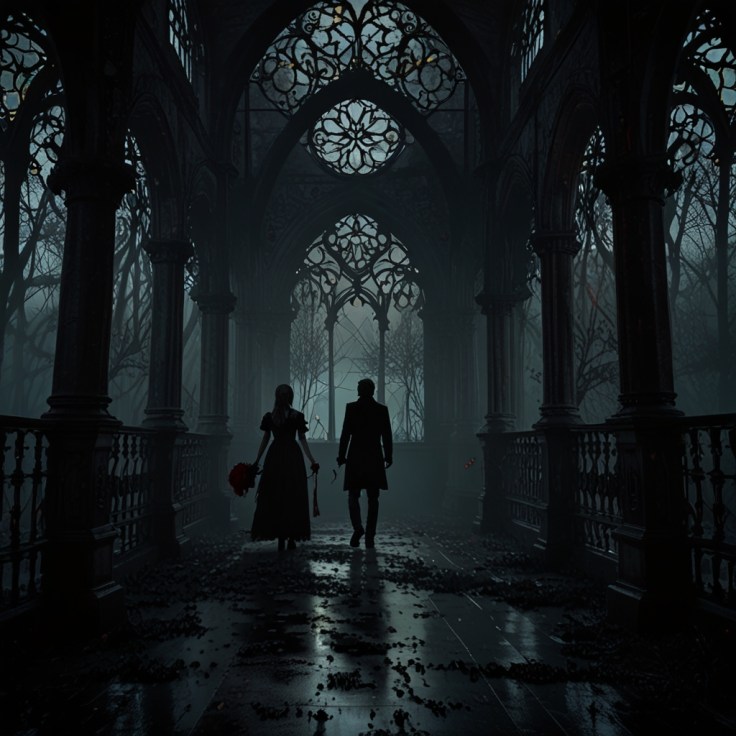
4. Mix in Themes of Madness and Obsession
Consider This: A protagonist who becomes increasingly paranoid, convinced that they are being watched.
Why It Works: Themes of madness and obsession are central to Gothic fiction, reflecting the genre’s preoccupation with the darker aspects of the human psyche. These themes allow you to delve into your characters’ minds, exploring how fear and guilt can drive them to the brink of insanity.
How to Do It:
- Develop an Obsessive Trait: Give your character a fixation—whether it’s on a person, an idea, or an object—that gradually consumes them. This obsession should be irrational yet understandable, driven by their fears or desires.
- Show the Descent: Chart your character’s journey from rationality to madness. This could be through increasingly erratic behavior, hallucinations, or an inability to distinguish reality from imagination. The descent into madness should feel inevitable, a natural consequence of the character’s choices and circumstances.
- Create a Psychological Horror: The horror in Gothic fiction often comes from within. Use your character’s mental state to generate tension and dread. The threat might not be a monster or ghost, but the character’s own mind turning against them.
Example: In The Tell-Tale Heart by Edgar Allan Poe, the narrator’s obsession with the old man’s eye leads him to commit murder, and his subsequent guilt drives him to madness, culminating in the eerie sound of the beating heart. The story is a perfect example of how Gothic fiction explores the terror of losing control over one’s mind.
Expanding it Further: Consider how your character’s obsession impacts those around them. Do others notice their change in behavior, or are they oblivious? How does the character’s madness affect their relationships and interactions with others? The theme of madness can also be reflected in the story’s structure—through fragmented narration, unreliable accounts, or disjointed timelines that mirror the character’s mental state.

5. Use Symbolism to Deepen the Story
Imagine This: A withered rose that symbolizes lost love and decay.
Why It Works: Symbolism is a powerful tool in Gothic fiction, allowing you to add layers of meaning to your story. Objects, settings, and even weather can serve as symbols that reflect the themes of your narrative. These symbols can add depth and resonance to your story, making it more than just a surface-level tale of terror.
How to Do It:
- Choose Your Symbols: Identify objects, colors, or elements in your story that can carry symbolic weight. A decaying house could symbolize a crumbling family lineage; a storm could represent turbulent emotions. Symbols should be carefully chosen to reflect the story’s themes and character arcs.
- Integrate Naturally: Introduce symbols in a way that feels organic to the story. They should enhance the narrative, not overshadow it. A well-placed symbol can convey complex ideas and emotions without the need for lengthy explanations.
- Evolve Over Time: Let your symbols change as the story progresses, reflecting the development of the characters and themes. For example, a flower might start out vibrant but gradually wither as the character’s hope fades, mirroring their emotional journey.
Example: In Rebecca by Daphne du Maurier, the sea symbolizes both beauty and danger, reflecting the dual nature of the protagonist’s feelings toward Manderley and the lingering presence of Rebecca. The sea’s changing moods mirror the protagonist’s internal conflict, adding depth to the story’s emotional landscape.
Expanding it Further: Think about how the symbols in your story can take on different meanings depending on the context. A symbol might mean one thing to one character and something entirely different to another. This can create a sense of complexity and ambiguity, leaving readers to interpret the symbols in their own way. Additionally, consider using recurring symbols that gain significance as the story unfolds, creating a sense of continuity and deeper meaning.

6. End with Ambiguity or a Twist
Picture This: A final revelation that makes readers question everything they’ve just read.
Why It Works: A Gothic story often leaves readers with a sense of unease or uncertainty. The ending should not tie up all loose ends neatly but instead provoke thought and linger in the reader’s mind. Ambiguous endings or unexpected twists can add a final layer of mystery, leaving readers to ponder the true nature of the events they’ve witnessed.
How to Do It:
- Introduce a Last-Minute Revelation: Just when the reader thinks they’ve figured it all out, throw in a twist that upends their understanding of the story. This twist should be surprising yet believable, making them re-evaluate everything that has come before.
- Leave Questions Unanswered: Some mysteries should remain unsolved. By leaving certain elements open to interpretation, you invite readers to engage with the story on a deeper level, considering different possibilities and theories.
- End on a Chilling Note: The final scene or sentence should leave a lasting impression. It could be a haunting image, a disturbing thought, or a subtle suggestion of future horrors to come.
Example: In The Haunting of Hill House by Shirley Jackson, the ending is ambiguous, leaving readers unsure whether the supernatural events were real or the result of the protagonist’s deteriorating mental state. This unresolved tension makes the story more haunting and thought-provoking, as readers are left to draw their own conclusions.
Expanding it Further: Consider how your story’s ending might reflect the themes and character arcs you’ve developed throughout. An ambiguous or twist ending should feel like the natural conclusion of the story, even if it’s surprising. Think about how the ending can add a new layer of meaning to the events that have come before, encouraging readers to revisit the story with fresh eyes.

In closing
When we sit down to craft a Gothic story it is like mixing a cake filled with dark emotions, eerie settings, and complex characters. If we can carefully incorporate these elements, we can create a storyline that not only chills the spine but also leaves our readers or viewers satisfied on a deeper, more psychological level.
So, whether you’re writing about haunted mansions, tragic heroes, or ghostly apparitions, remember to keep the atmosphere thick with tension, the characters rich with inner conflict, and the plot brimming with mystery. In the world of Gothic fiction, the shadows hold endless possibilities—and it’s up to you to bring them to life.
Now that you have some ingredients – give it a go to expand your storytelling with a Gothic feel.

 Uncanny Lounge
Leave a comment