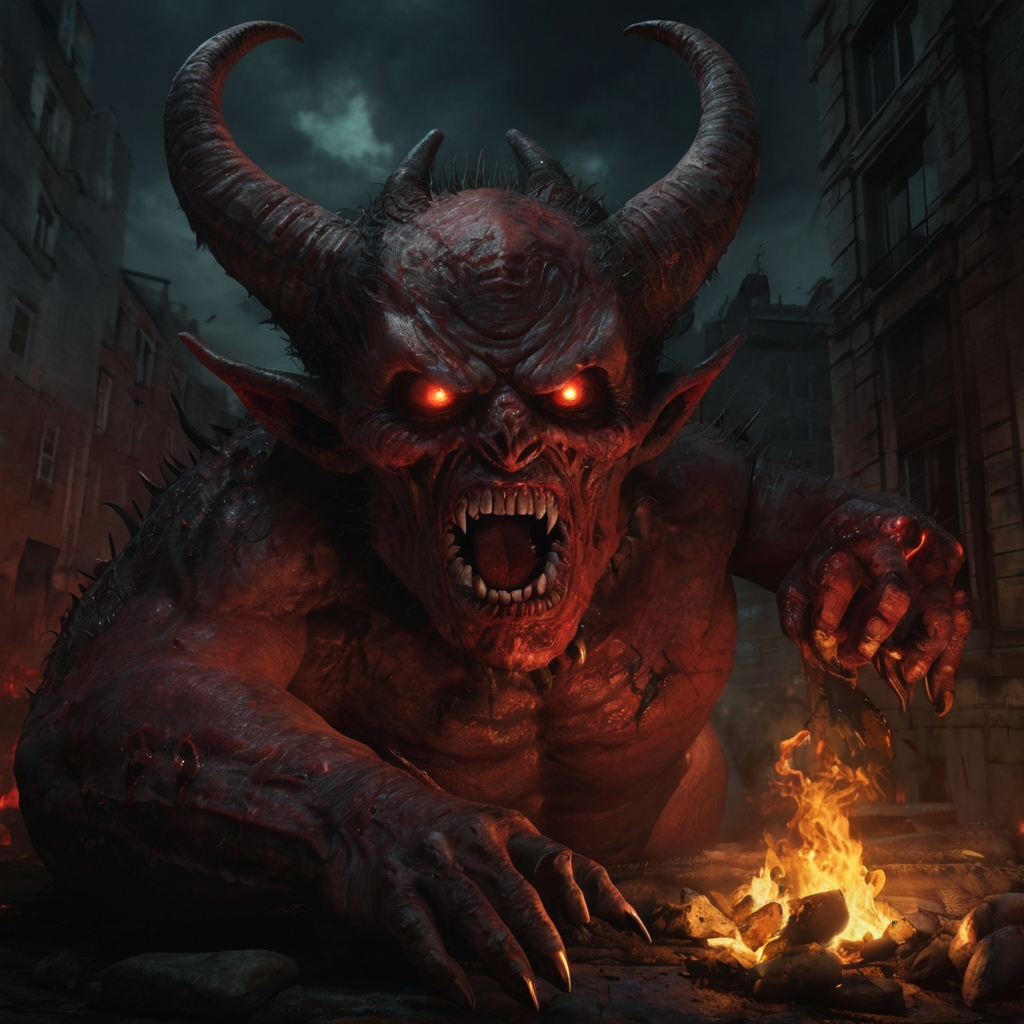
Why Do God and the Devil Haunt Our Screens?
It is a classic for telling tales of good and evil. Horror movies have always played on the fears and beliefs that run deep within us. One of the most potent themes in horror is the struggle between good and evil—often personified by God and the Devil. But why does this theme resonate so powerfully?
It’s because these concepts are not just fictional; they’re rooted in religious beliefs that have shaped cultures for centuries. When horror movies tap into these themes, they’re not just scaring us—they’re challenging our understanding of morality, faith, and the unknown. Even if we are not religious, we understand the fight between good and evil.
As a reference if we look at God and the Devil in movies, we are normally looking at the Hollywood movie machine. The point of reference being Western religious traditions and as such this includes the archetypal God and Devil from Christianity. Also, for this piece we’ll be looking at the Devil not as one character but as the counterpoint to God. So Paimon, Pazuzu, and other demons for movies and demonology will all be lumped in together.
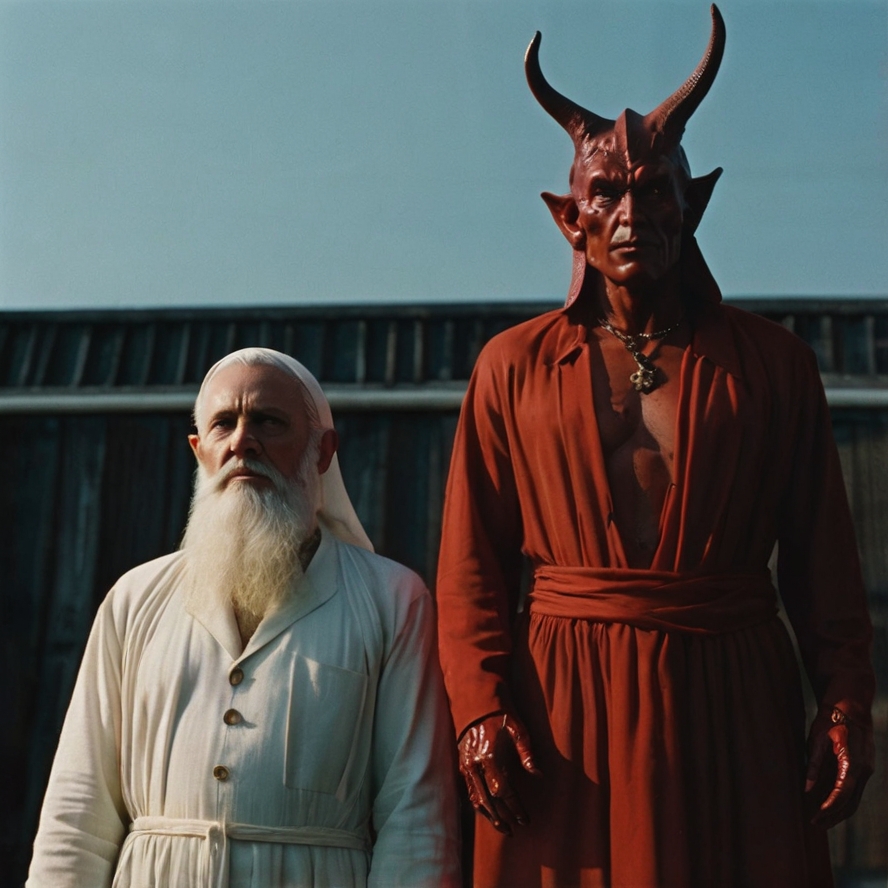
The Role of God and the Devil in Horror
When it comes to horror, the roles of God and the Devil are often clearly defined. God represents salvation, hope, and the power of good. The Devil, on the other hand, embodies fear, temptation, and the ultimate evil.
But it’s not just a simple battle between good and evil. These characters often serve as metaphors for our inner struggles. In portraying these figures in horror movies it raises questions about our own beliefs, fears, and the nature of evil itself.
Let’s dive deeper into how horror movies use these powerful symbols.
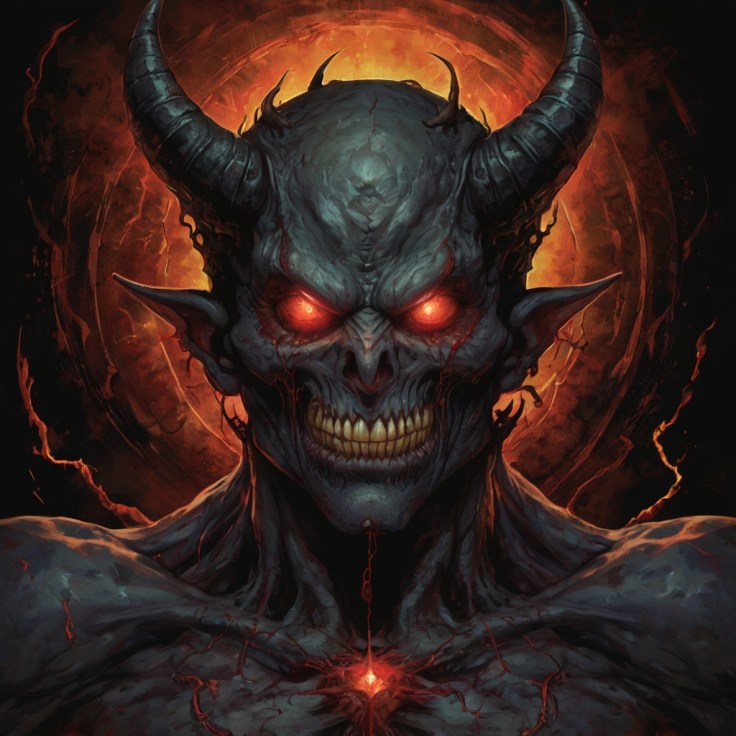
The Devil: The Ultimate Villain in Horror Cinema
The Devil as a Horror Icon
The Devil is arguably the most iconic villain in horror cinema. From the sinister whispering in the dark to the grotesque depictions of demonic entities, the Devil represents the ultimate fear: the loss of one’s soul.
But why is the Devil so terrifying?
The fear of the Devil is deeply embedded in many cultures, particularly within Christianity. The Devil is not just a character; he’s the personification of all evil, temptation, and damnation. Horror movies exploit this fear by presenting the Devil as an ever-present threat, lurking in the shadows, waiting to claim souls.
Classic Depictions: From The Exorcist to The Omen
When we think of the Devil in horror movies, classics like The Exorcist and The Omen immediately come to mind. These films not only introduced us to some of the most terrifying depictions of the Devil but also solidified his role as a central figure in horror.
In The Exorcist, the battle between Father Merrin and the demon Pazuzu is more than just a fight for a young girl’s life; it’s a representation of the struggle between good and evil. The film taps into the fear of demonic possession, a concept rooted in religious beliefs, making it one of the most unsettling horror movies ever made.
The Omen, on the other hand, explores the idea of the Antichrist, the Devil’s offspring, coming to earth. The movie plays on the fear of an innocent child being the harbinger of doom, blurring the lines between innocence and evil.
These films didn’t just scare audiences; they left a lasting impact on the genre, influencing countless horror movies that followed. By using the now stereotypical, demon, god and the priest saviour, audiences have been introduced to the Christian mythology of the ultimate good versus evil. This has also paved the way for lesser known demons to be introduced by filmakers which adds more story.
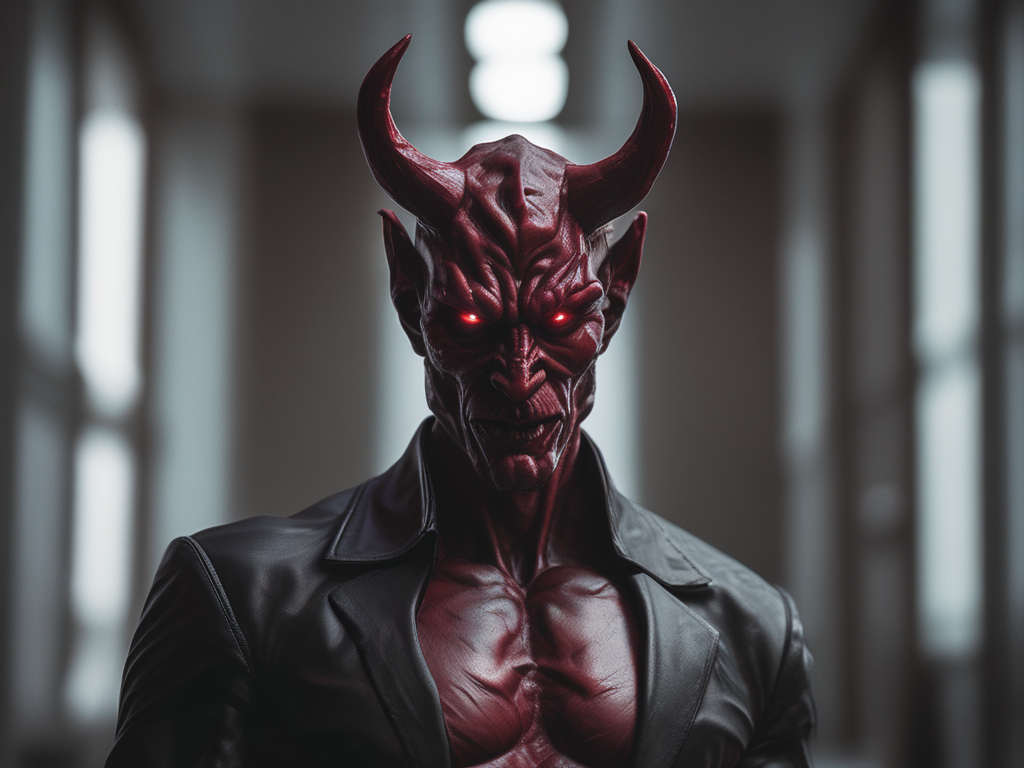
The Devil in Contemporary Horror
While classic horror films laid the groundwork, modern horror has taken the depiction of the Devil to new levels. Movies like Hereditary and The Witch explore the Devil in more subtle, psychological ways.
Hereditary delves into the idea of hereditary evil, with the Devil being a manipulative force working behind the scenes. The film’s slow burn approach creates an atmosphere of dread, making the reveal of the demonic influence all the more terrifying. It is nice to see that a more complete demon in Paimon is used for the movie. With all demons having different realms of influence it can drive greater depth in character than just portraying ‘devil=bad’.
The Witch ( The VVitch) takes us back to the 17th century, exploring the fear of witchcraft and the Devil in a deeply religious society. The film’s portrayal of the Devil is subtle yet chilling, emphasizing the idea of temptation and the consequences of straying from faith. Tying in the Devil with a horned black goat which fits in historically with Pan as the Devil.
The Craft interestingly uses their own demon, Manon. Possibly as a nod to the demon Mammon but watered down to be both good and evil. The wiccan advisor for the movie is said to have dissuaded them from using a ‘real’ demon as there were concerns about young people heading out and summoning entities and getting into trouble.

God: The Beacon of Hope in the Darkness
God as a Symbol of Hope and Salvation
While the Devil often takes center stage in horror, God is usually portrayed as the force of good, the beacon of hope in a world overrun by evil. But in horror movies, God’s presence is often more subtle, representing the power of faith and the possibility of salvation.
In many horror films, characters turn to God in moments of desperation, seeking protection and guidance. The power of prayer, the symbolism of the cross, and the presence of clergy are common tropes used to invoke the idea of divine intervention.
But does God always answer?
The Power of Faith
The struggle between faith and doubt is a recurring theme in horror movies, particularly those dealing with the supernatural. Films like The Exorcism of Emily Rose and The Conjuring showcase this struggle, where characters must rely on their faith to combat the forces of evil.
In The Exorcism of Emily Rose, the film explores the true story of a young girl believed to be possessed by demons. The movie delves into the conflict between science and faith, with the character of Father Moore representing the power of belief in the face of overwhelming darkness.
The Conjuring series, based on the real-life experiences of paranormal investigators Ed and Lorraine Warren, also highlights the importance of faith. The Warrens’ reliance on their faith is depicted as a crucial element in their battle against demonic forces, reinforcing the idea that God’s power is the ultimate weapon against evil.
These films emphasize the role of God as a protector, a force that can be called upon in times of need. But they also raise questions about the nature of faith and the power of belief in the face of unimaginable horror.
The Absence of God
While God is often depicted as a force of good, some horror movies explore the terrifying possibility of God’s absence. What happens when faith is not enough? When prayers go unanswered?
Movies like The Seventh Seal and The Wailing delve into the existential dread of a world where God may not be present. In these films, the characters struggle with the silence of God, questioning the meaning of suffering and the existence of divine justice.
The Seventh Seal, a classic by Ingmar Bergman, portrays a knight returning from the Crusades, only to find himself in a land ravaged by plague. The knight’s quest for answers from God is met with silence, leading to a profound exploration of faith, doubt, and the fear of the unknown.
In The Wailing, a South Korean horror film, the struggle between good and evil is depicted through a series of terrifying events in a small village. The film raises questions about the nature of evil and the role of divine intervention, leaving viewers to ponder whether God is truly watching.This movie is truly worth a watch as it packs a lot of tropes seamlessly into its storyline.
These movies challenge the traditional portrayal of God in horror, presenting a more complex and unsettling view of faith.
Christianity in Horror
The Use of Christian Symbols: Crosses, Churches, and Sacred Texts
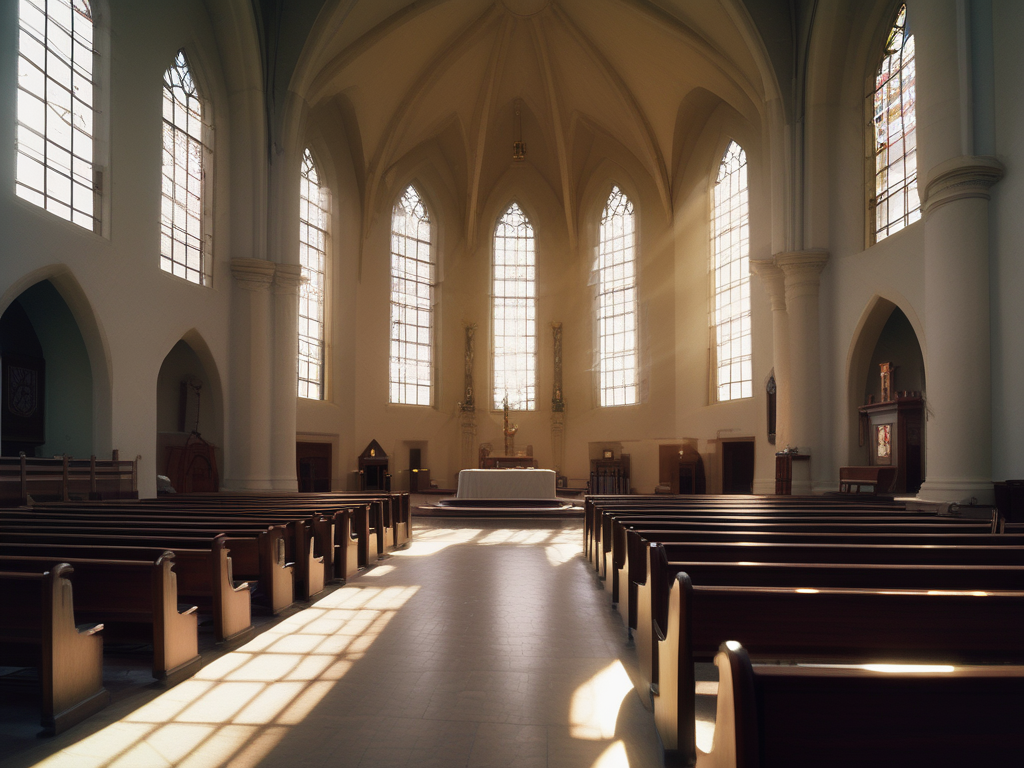
Christianity is rich with symbols, rituals, and iconography, all of which have been used extensively in horror movies to evoke fear and tension. The cross, the Bible, and the church are not just props; they’re powerful symbols of protection, redemption, and the struggle against evil. As this symbolism is already known to many viewers its inclusion helps to round out the meaning throughout the story.
In horror films, these symbols often play a crucial role in the narrative. The cross, for instance, is frequently used to ward off evil spirits or as a weapon against vampires. The Bible is often depicted as a source of knowledge and power, containing the secrets to defeating demonic forces.
Churches, with their towering spires and sacred spaces, are often portrayed as sanctuaries from evil. But in horror, even these holy places are not always safe. The desecration of churches, the inversion of religious symbols, and the corruption of sacred texts are common themes that heighten the sense of dread.
The Inversion of Christian Symbols
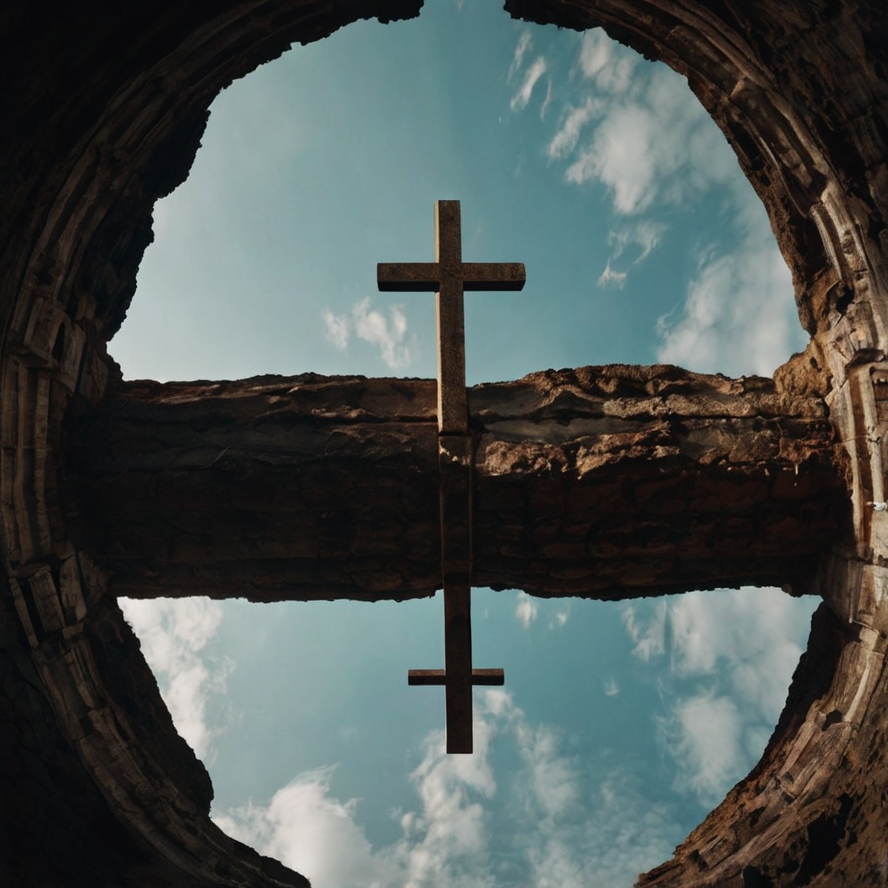
One of the most effective techniques in horror is the inversion of Christian symbols, turning what is holy into something terrifying. The inverted cross, the perversion of sacred rituals, and the depiction of religious figures as villains are all ways that horror movies subvert expectations and create fear.
The inverted cross, for example, has become a symbol of satanic power in horror movies. While the traditional cross represents faith and salvation, its inversion signifies blasphemy and the rejection of God. This simple yet powerful image is used to evoke a sense of unease and fear, playing on the audience’s familiarity with religious symbolism.
Religious rituals are also often twisted in horror movies to create a sense of dread. The black mass, a perversion of the Christian Eucharist, is a common trope in films dealing with satanic cults. These rituals, depicted as grotesque and blasphemous, serve to highlight the contrast between good and evil.
Even religious figures, such as priests and nuns, are not immune to this inversion. In movies like The Nun and The Exorcist III, these figures are depicted as either corrupted by evil or as vessels for demonic forces.
Christianity as a Tool for Examining the Dark Side of Faith
While horror movies often use Christianity as a source of fear, they also serve as a platform for critiquing religious institutions and beliefs. The exploration of religious fanaticism, hypocrisy, and the abuse of power are recurring themes in horror, offering a more nuanced view of faith.
Movies like Carrie and The Witch delve into the dark side of religious fervor, portraying characters who use their faith as a weapon against others. In Carrie, the protagonist’s mother is a religious fanatic who imposes her extreme beliefs on her daughter, leading to tragic consequences. The film critiques the destructive nature of religious fanaticism and the dangers of using faith to justify cruelty.
The Witch explores the fear and paranoia that can arise in deeply religious communities, where the fear of the Devil leads to the persecution of innocent individuals. The film portrays how religious beliefs can be manipulated to control and oppress, highlighting the fine line between faith and fanaticism.
These films challenge the audience to question the role of religion in society and its impact on individuals, offering a more critical perspective on Christianity.
The Cultural Impact of God, the Devil, and Christianity in Horror
The use of God, the Devil, and Christianity in horror movies has left its mark on the genre. These themes resonate with audiences because they tap into universal fears and beliefs, creating a sense of familiarity and dread. The familiar symbolism and mostly intrinsic knowledge that audiences have make the subtexts in the plots easier to understand.
Religious horror movies provide a unique ability to provoke deep emotional and psychological responses. They challenge our understanding of good and evil, faith and doubt, and the nature of the divine. By exploring these themes, horror movies offer more than just scares; they provide a space for reflection on the complexities of human existence.
The Future of Religious Horror
As horror continues to evolve, so too does the portrayal of God, the Devil, and Christianity. Modern filmmakers are finding new ways to explore these themes, blending traditional religious horror with contemporary issues and perspectives.
We’re seeing a shift towards more psychological and existential horror, where the struggle between good and evil is depicted in more nuanced and complex ways. The rise of indie horror films has also led to more experimental and boundary-pushing portrayals of religion, offering fresh takes on these age-old themes.
For films like Hereditary, other demon’s (Paimon) are being used and their real mythology is also incorporated. I see more of this going forward as it brings new light on the classic God vs Devil. Any search into demonology will show you there are many, many demons to pick from when it comes to your evil doings.
Whether through classic depictions of demonic possession or modern explorations of faith and doubt. And whether they be the Devil or another figure from an evil pantheon, they still allow the hero’s journey to proceed along with the fight for good and evil.
In closing
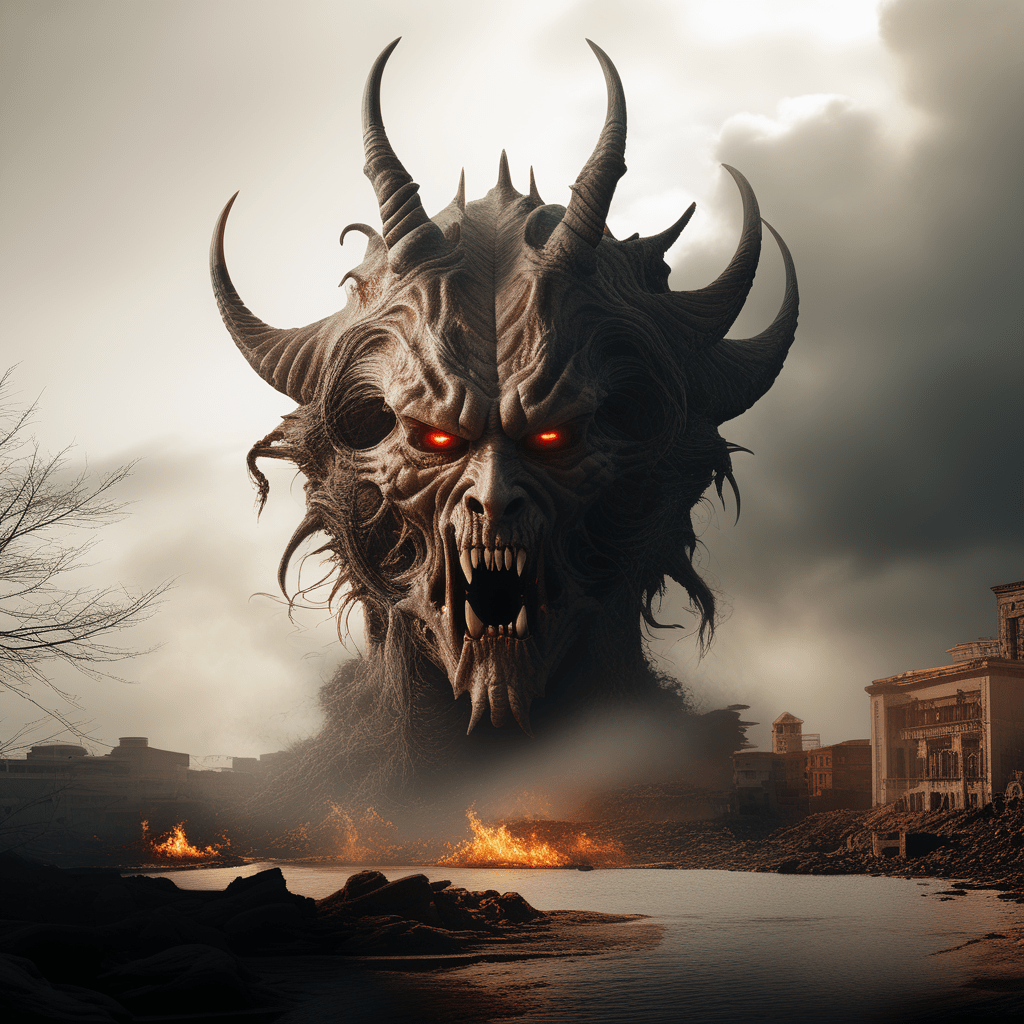
The eternal battle continues between God and the Devil as a story as old as time, and it’s one that horror movies have told in countless ways. Whether through the terrifying depiction of demonic forces or the portrayal of faith as a beacon of hope, these films explore the relationship between religion and fear and the balances between good and evil.
Some could say it makes for an easy storyline to pit good and evil against each other. But most stories already have a protagonist and an antagonist. Bringing in the realms of humanities souls brings a deeper cut to the fight.
As long as these concepts remain part of our culture, the horror genre will continue to draw upon them and it challenges us to confront our fears and beliefs. The struggle between good and evil, light and darkness, will always have a place in the world of horror.

 Uncanny Lounge
Leave a comment