
And why audiences keep coming back
Time for another grumble. Life is too short to see pretty much the same movie over and over again. Have you also noticed that every second film in the cinema these days is a sequel, reboot, remake, or part of yet another sprawling cinematic universe, you’re not imagining it. Franchise movies do now dominate the entertainment world more than ever before.
But why are studios pumping out so many franchise films?
Why do audiences keep showing up for them?
And what’s the hidden cost of this unstoppable trend?
Let’s run through a little breakdown (and grumble) about the forces that have built our franchise-obsessed era and the creativity it’s quietly swallowing up along the way.
Hollywood loves a safe bet
Movies are expensive. Blockbusters can easily cost hundreds of millions of dollars to produce and market. With that kind of financial pressure, studios want predictable success and not a gamble.
What franchises offer the studios:
- Built-in fan base
- Name recognition
- Guaranteed opening weekend sales
- Merchandising opportunities
- Cross-media spin-offs
A brand-new, original film could flop and that’s and expensive gamble to take. A sequel to a billion-dollar franchise? A much safer bet. That economic logic shapes the studio choices and explains why franchise films are flooding the market.
Streaming has supercharged the franchise era
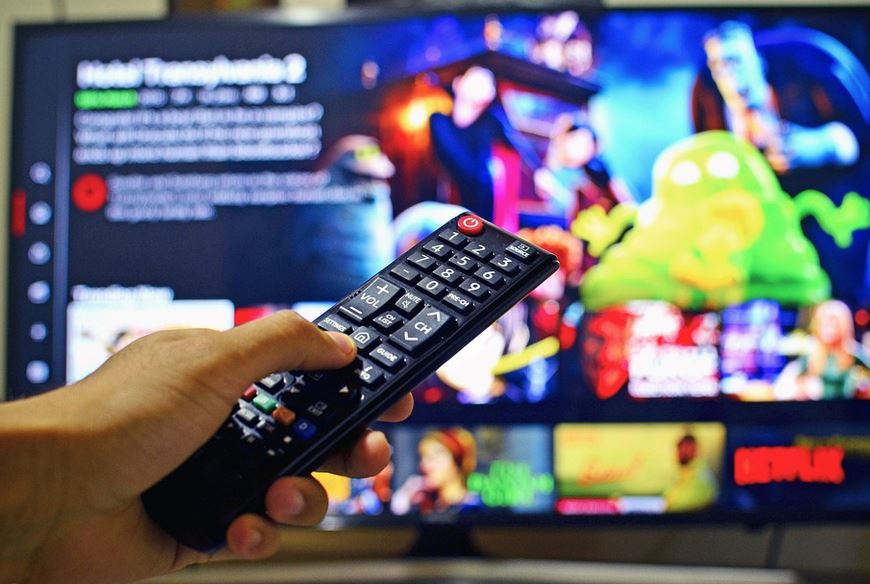
Streaming platforms have changed audience habits, and studios adjusted fast. Do you love a good movie marathon? Do you ever put something familiar on as you’re doing the cooking? You are not alone, our viewing habits have changed. We don’t need to rush out to the theatre when a movie is released, we can watch it over and over at home.
Streaming services crave content that:
- Keeps audiences subscribed
- Encourages binge-watching
- Sparks online conversation
- Creates long-term loyalty
Franchises do all of that.
The success of series like The Mandalorian, Alien, and even 28 days (years, months) later show how powerful a recognizable IP can be. Even films from decades ago get revived because nostalgia pushes people to re-watch, sign up, and stay subscribed. Have you watched all of the Alien movies, even when one is a flop you come back for the new one (just in case it’s good again)
Franchises have become the backbone of streaming strategies and studios have doubled down.
Nostalgia is one of the strongest emotional drivers
In a world full of uncertainty and stress, people crave comfort and familiarity. Franchises tap directly into that. When times are tough you seek out something familiar, it comforts you with its known world. I dunno, has the Covid times flicked more of a switch in our heads for seeking the comfort of home and the familiar.
Legacy sequels (Jurassic Park, Alien, Star Wars), reboots, and remakes all work because they’re emotional shortcuts to a simpler time. Think about it, Star Wars was released in 1977 and Alien on 1979. The original movies still hold up today and have created money and movies ever since, that’s nearly 50 years ago for Star Wars.
Nostalgia whispers to us:
“You already love this. Come back.”
That emotional pull is incredibly powerful and incredibly profitable.

Audiences love big worlds and ongoing stories
Franchises don’t just tell a story. They build a universe.
Whether it’s superheroes, magical realms, or sci-fi empires, audiences connect deeply with:
- World-building
- Lore
- Character arcs that span years
- Easter eggs
- Fandom communities
It’s the same pull that keeps people reading long fantasy series or playing expansive video games. A franchise becomes a place to live, not just a story to watch. These worlds become familiar and immersive for viewers and feed into our feelings of safety. Often we don’t want the story to end, but is it a good thing?
Predictability feels good (Even if we don’t notice it)
People enjoy patterns. Our brains relax when the story structure feels familiar, even if the setting is fantastical. With streaming it can be easier to flick on a reliable film franchise to barely watch while we are scrolling our phones than it is to put on something we have to actually watch for an hour and a half. Who’s got time for that, anyway, we are going to watch it again later.
Franchise films deliver:
- Clear arcs
- Expected emotional beats
- Recognizable tropes
- A guaranteed payoff
This doesn’t mean audiences don’t appreciate surprises. But the overall framework is comforting to us. You know you’ll get spectacle, tension, triumph, and a teaser for whatever comes next.

Social media keeps franchises alive forever
Think back, Star Wars was first released in 1977, we’re still exploring their world. Franchises feed social media in turn social media feeds them back. With a deep history and unforeseen future, there is always room for online debate.
Think:
- Trailer reactions
- TikTok edits
- Fan theories
- Memes
- Cosplay
- Influencer commentary
- Reddit deep dives
One movie can create months of free online marketing. Studios know this, so they engineer films with “discussability” in mind. Franchises are perfect for this kind of content ecosystem.
Franchises offer escapism on a grand scale
Modern life is overwhelming. Franchises deliver an escape that feels epic, immersive, and emotionally satisfying.
People don’t just want a two-hour distraction, they want a world to step into. Something bigger, brighter, more dramatic, more heroic. Franchises are built for that kind of escapism.
The downside: How franchise movies are slowly killing creativity
For all their appeal, the rise of franchise films has a very real consequence: it pushes originality out of the spotlight. How do the independents get a chance against the big guys.
Franchises take up all the oxygen
Studios have limited schedules and budgets. When most of those resources funnel into endless sequels and cinematic universes:
- Original films struggle to get funding
- Mid-budget films disappear
- Experimental work rarely gets greenlit
The risk-to-profit ratio just doesn’t compete with a safe franchise.
Studios prioritize formulas over innovation
Franchises rely on strict templates:
- A hero’s journey
- A threatening villain
- A predictable emotional arc
- A setup for the next instalment
These constraints leave little room for artistic experimentation. Directors must follow brand rules, character restrictions, and studio notes designed to protect the franchise.
The result? Films that start to feel homogenous, even when made by different creators.
Original ideas are seen as “Too dangerous”
Brand-new stories don’t come with a pre-existing fan base. That makes the investors nervous.
So instead of fresh ideas, we get:
- Reboots
- Live-action remakes
- Sequels to sequels
- Timeline resets
- Spin-offs of minor characters
Hollywood ends up recycling the same intellectual property rather than backing bold new voices.
Creatives get boxed in
Even talented filmmakers feel the squeeze. Many describe franchises as “corporate storytelling,” where the brand dictates the vision.
They’re hired for their skill, but often restrained from using it.
This stifles:
- Unique visual styles
- Risky narrative choices
- Surprising tone shifts
- Unconventional character arcs
Cinema then loses its wild edges.
Audiences lose variety
When the box office is dominated by giant franchises, it becomes harder for viewers to discover:
- Weird indie films
- New genres
- Diverse stories
- Fresh perspectives
We end up with a culture where everything looks familiar, because it is!
Creativity isn’t dead. But it’s being pushed well into the margins.
So… Why do people still love franchise movies?
For all of the above, they offer us familiarity and we like that. We know what we’re getting even if we don’t know what is going to happen.
And for all their flaws, franchise films offer us something undeniable:
- Comfort
- Excitement
- Spectacle
- Community
- Familiarity
- Emotional payoff
- World-building
- Predictability in an unpredictable world
Franchises have become our modern mythologies, their stories evolve, expand, and live across generations.
Final Thoughts
I love to grumble about the franchises. Life really is too short to see the same thing over and over. I love finding new and interesting films and books. But the rise of franchise movies is both a product of our audience desires and of studio strategy. Audiences love them, they’re profitable, and endlessly watchable. But they also reshape the creative landscape, making it harder for original films to break through.
Whether you’re a fan or a critic, the franchises aren’t going anywhere. They’re now well embedded in our culture, our streaming habits, our nostalgia and our viewing habits. The characters are recognizable to most of the world.
And as long we as audiences keep showing up, Hollywood will keep building bigger worlds, explore deeper lore, and pump out endless sequels…for better or worse.
So what do you reach for when you want some mindless viewing? Do you reach for something familiar or do you reach out for something new?
If you would like a bit more about franchises you can check out the post below:

 Uncanny Lounge