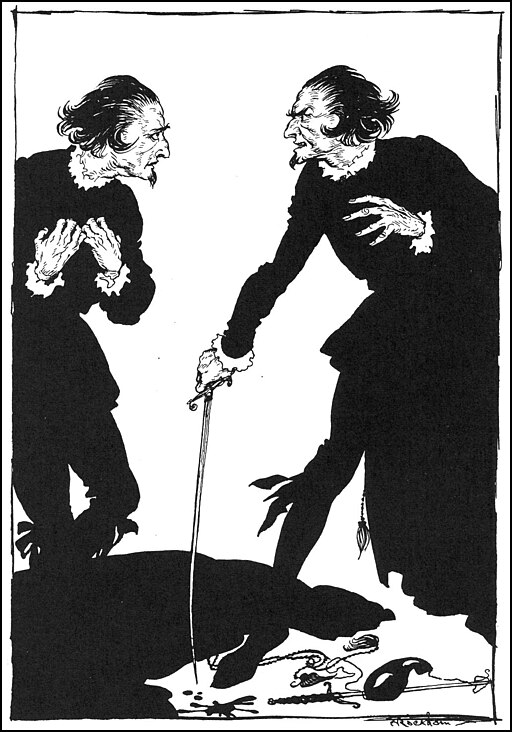
Step into the lounge for a moment and imagine something unsettling.
You’re walking down a quiet street at dusk. The air is still. Streetlights flicker on one by one. Then you see someone approaching in the distance.
At first, nothing seems unusual.
Until they step closer.
Same height. Same face. Same expression.
It’s you.
For centuries, stories about doppelgangers, mysterious doubles of living people have haunted folklore, literature, and film. The word itself comes from German and means “double walker,” a fitting name for a figure that looks exactly like you yet seems to live a life of its own.
In old European legends, encountering your double was considered a terrible omen. Some believed it meant death was near. Others believed the double could act independently, appearing in places the real person had never been and committing acts the original would never dare.
Either way, meeting your other self was never a good sign.
Writers and filmmakers quickly realized the storytelling power of this idea. After all, what could be more disturbing than confronting a version of yourself that reflects everything you fear, or everything you secretly are?
Classic authors like Edgar Allan Poe explored this theme in unsettling tales such as William Wilson, where a man is followed through life by a mysterious double who interferes with his darkest impulses.
Later writers continued the tradition. In The Double by Fyodor Dostoevsky, a timid government clerk encounters a duplicate of himself who slowly begins taking over his life.
Modern cinema has embraced the concept as well. Films like Us, directed by Jordan Peele, transform the doppelgänger into a terrifying physical threat, while psychological films such as Enemy blur the line between supernatural horror and mental breakdown.
But what makes doppelgänger stories so powerful isn’t just the shock of seeing a double.
It’s the deeper implication behind it.
The idea that somewhere out there might exist another version of you.
And it may not be friendly.
The folklore origins of Doppelgängers
Before doppelgängers appeared in books and movies, they existed in folklore and superstition.
In many European traditions, the appearance of a double was seen as a supernatural warning. If someone encountered their own double, it was believed that death or misfortune would soon follow.
In some stories, the double appeared silently in the background of everyday life, standing in a hallway, sitting in a distant chair, or watching from across the street.
Other legends claimed that the double could act independently, performing actions that the real person never did. This often caused confusion and suspicion among friends and family.
Was it really the person they knew?
Or something else entirely?
These eerie legends eventually inspired writers who realized that the idea of a living double could be used to explore deeper psychological themes.
Want some more info on Doppelgängers? Check out another of our posts on Doppelgängers
Doppelgängers in Classic Literature
Long before modern horror films existed, authors were already fascinated by the idea of confronting one’s double.
William Wilson
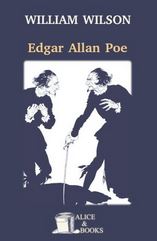
One of the earliest and most famous examples appears in William Wilson by Edgar Allan Poe.
The story follows a troubled narrator who encounters another student with the same name and identical appearance. This mysterious double repeatedly appears throughout his life, interfering whenever the narrator attempts immoral or destructive behavior.
At first, the narrator views the double as an enemy determined to ruin him.
But as the story unfolds, it becomes clear that the double represents something far more unsettling.
A living reflection of the narrator’s conscience.
The Double
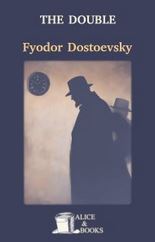
Another classic exploration of the theme appears in The Double by Fyodor Dostoevsky.
The novel tells the story of Yakov Golyadkin, a socially awkward government clerk who suddenly encounters another man who looks exactly like him.
At first the duplicate seems friendly.
Then things begin to change.
The new Golyadkin is confident, charming, and socially successful, everything the original man is not. Slowly but surely, the double begins replacing him in social circles and professional life.
As the original Golyadkin watches his identity being stolen, his sanity begins to collapse.
The Strange Case of Dr. Jekyll and Mr. Hyde
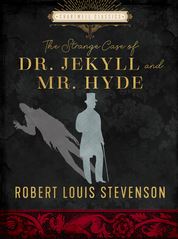
Although it presents a slightly different interpretation of the concept, The Strange Case of Dr. Jekyll and Mr. Hyde by Robert Louis Stevenson explores a similar theme.
Dr. Jekyll creates a potion that separates his darker personality traits into another physical form: Mr. Hyde.
Hyde represents everything Jekyll tries to hide from society, violence, cruelty, and selfishness.
Rather than confronting an external double, Jekyll becomes his own doppelgänger.
Doppelgängers in modern Horror Movies
Cinema has brought the doppelgänger concept to life in particularly disturbing ways.
Seeing two identical people on screen instantly creates tension. The audience knows something is wrong, even before the characters realize it themselves.
Us
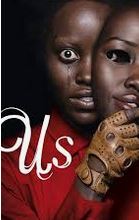
One of the more memorable modern examples is Us, directed by Jordan Peele.
The story follows a family who are confronted by violent doubles of themselves known as “The Tethered.” These shadow versions emerge from underground and begin systematically attacking their counterparts.
Each character must face a twisted reflection of themselves.
The film uses the doppelgänger concept not only for horror but also as a metaphor for hidden societal fears and forgotten histories.
Enemy
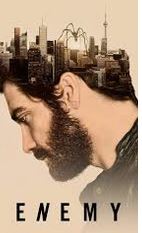
In Enemy, starring Jake Gyllenhaal, the discovery of a double leads to a deeply unsettling psychological mystery.
A quiet history professor discovers an actor in a movie who looks exactly like him. When he tracks the man down, the two begin interacting in ways that destabilize both of their lives.
The film never fully explains whether the double is real or symbolic, leaving viewers with an unsettling sense that identity itself may not be as stable as we believe.
Black Swan
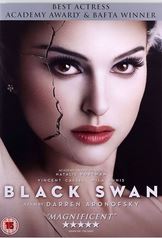
Psychological horror often uses doppelgängers to represent inner conflict.
In Black Swan, directed by Darren Aronofsky, the protagonist begins seeing another version of herself as pressure and obsession take control of her life.
The double reflects the darker personality she tries desperately to suppress.
As the film progresses, the line between reality and hallucination dissolves.
Fight Club
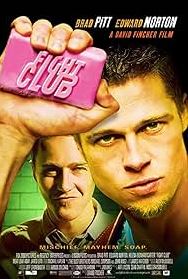
Another famous variation appears in Fight Club, starring Edward Norton and Brad Pitt.
Tyler Durden represents everything the narrator secretly wants to be: fearless, rebellious, charismatic, and free from social constraints.
The shocking twist later in the story reveals that the double is far closer to the protagonist than he ever imagined.
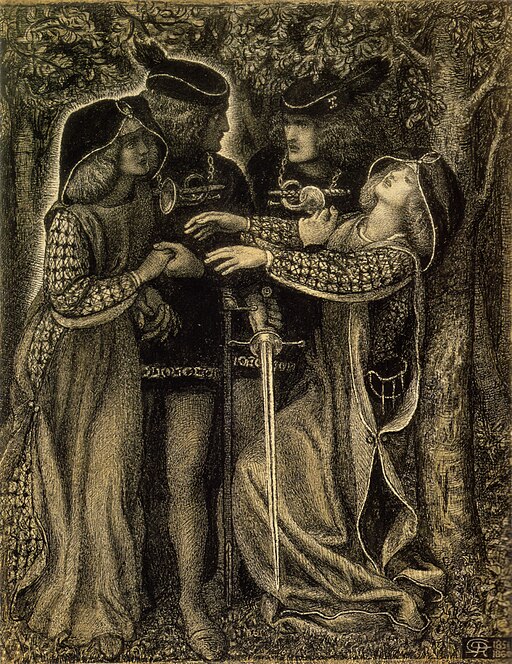
Why Doppelgänger stories are so unsettling
There’s a psychological reason these stories feel so disturbing.
Humans are extremely sensitive to faces and identity recognition. When we encounter someone who looks identical to another person, but behaves differently, our brain struggles to process the contradiction.
This discomfort relates to the concept known as the Uncanny Valley.
The uncanny valley describes the eerie feeling people experience when something appears almost human but not quite right.
Doppelgängers trigger a similar reaction. They are familiar and unfamiliar at the same time.
And that tension creates unease.
The shadow self
Many psychologists interpret doppelgänger stories as encounters with the “shadow self.”
The shadow represents aspects of personality that people repress or deny, anger, jealousy, ambition, or darker impulses.
In fiction, the double often acts out the behaviors the main character refuses to acknowledge.
This is why the doppelgänger remains such a powerful symbol in storytelling.
It represents the parts of ourselves we try not to see.
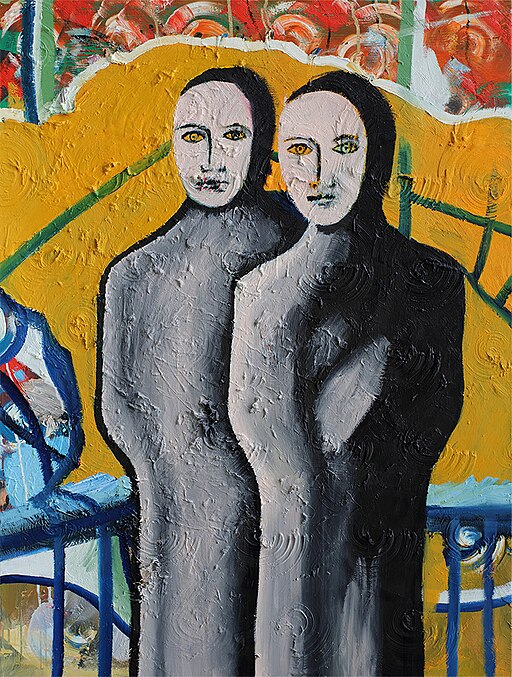
FAQ: Doppelgängers in movies and books
What is a doppelgänger in fiction?
A doppelgänger is a duplicate or double of a living person. In stories, the double often represents hidden aspects of a character’s personality, psychological conflict, or supernatural forces.
Where does the doppelgänger myth come from?
The concept originates from German folklore and broader European legends. In many traditions, encountering your own double was considered an omen of death or misfortune.
What are famous doppelgänger books?
Some well-known examples include:
- William Wilson by Edgar Allan Poe
- The Double by Fyodor Dostoevsky
- The Strange Case of Dr. Jekyll and Mr. Hyde by Robert Louis Stevenson
What are the best doppelgänger movies?
Popular films featuring doubles include:
- Us
- Enemy
- Black Swan
- Fight Club
Some final Thoughts
Doppelgängers continue to hold the attentions of audiences because they challenge our sense of identity.
Ghosts, monsters, and demons are frightening because they are unknown.
But the doppelgänger is something far more disturbing.
It looks exactly like you.
And if stories throughout history are to be believed, encountering your double is never a coincidence.
Sometimes the most terrifying discovery isn’t that monsters exist.
It’s that one of them might be wearing your face.

 Uncanny Lounge