The unassuming Wren (Troglodytes troglodytes) may be tiny in size, weighing just 6 grams, but its story is bigger than its small stature. This diminutive bird holds a profound place in the cultural narratives of various societies and weaves its way into folklore and legend with symbolism and cultural significance. One of the striking features... Continue Reading →
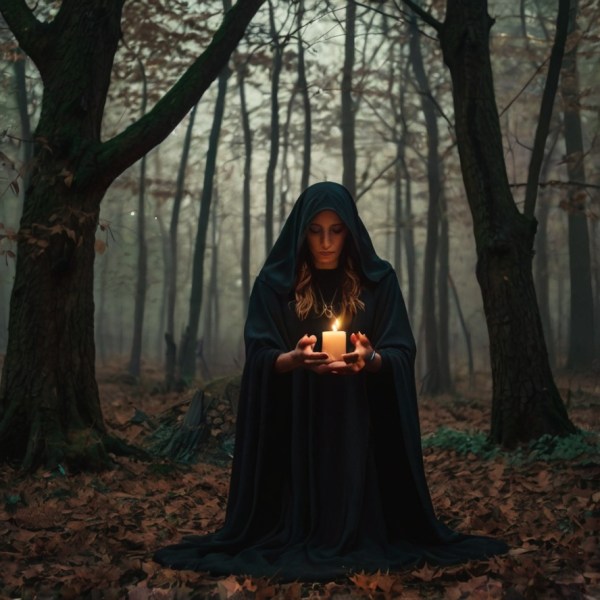
Why do people believe in magick?
People's diverse beliefs in magick, influencing events through specific actions, raise captivating questions about human psychology, culture, and reality. Historical, psychological, cultural, and personal factors shape this belief. From providing control in uncertain times to fostering community and social bonding, magick remains an enduring aspect of human experience, offering wonder and empowerment in a chaotic world.
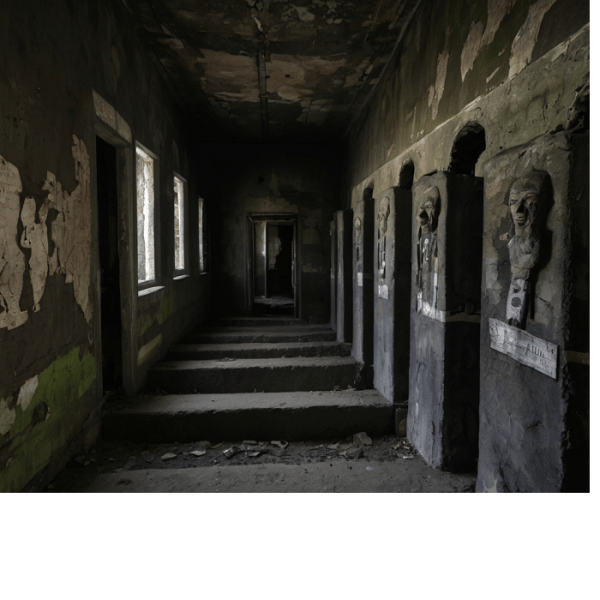
Dark tourism: exploring our dark past
Dark tourism, the trend of visiting sites related to death and tragedy, is gaining popularity. This form of travel, driven by increased interest in historical events and cultural understanding, offers unique insights into humanity's past but also raises ethical considerations about respecting the sites and victims. While it can bring money into an area, it's important to balance financial gain with respect for past events.
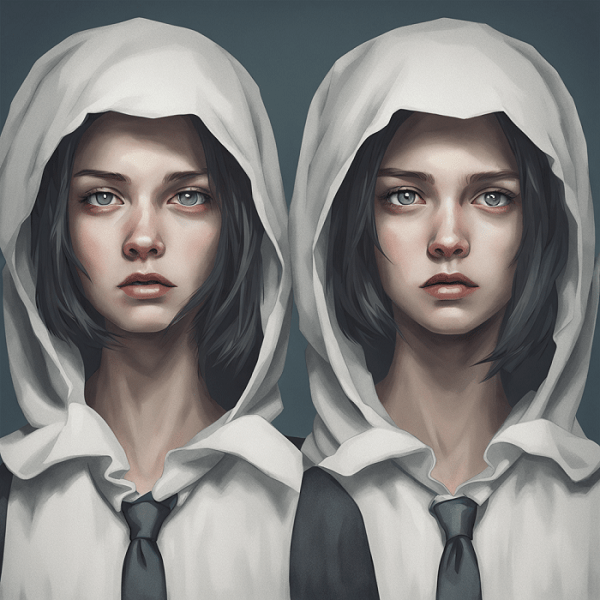
What happens if you meet your doppelganger?
Have you ever seen someone who looks exactly like you but isn't you? It's called encountering a doppelganger, and it's been intriguing people for centuries. Doppelgangers have appeared in folklore, mythology, art, and even modern-day sightings, sparking discussions about identity and the mysteries of existence. Keep an eye out for yours!
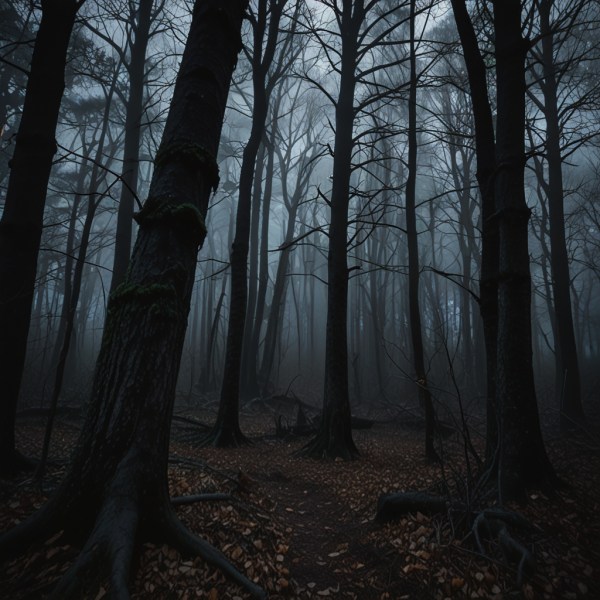
Exploring Haunted forests across the globe
From Japan's Aokigahara Forest to England's Epping Forest, haunted woodlands worldwide are shrouded in eerie tales. Each location has its own spooky legends, from ghostly figures in Ballyboley Forest to the Jersey Devil in the Pine Barrens. As we explore these forests, we are drawn into a world where reality and folklore merge, inviting us to uncover the mysteries of the supernatural.
Exploring the Origins of Gothic Horror
Gothic horror, born in the late 18th century, merges terror, beauty, and the supernatural. It features eerie settings, supernatural entities, mysterious secrets, and themes of romance and tragedy. Classic works like "Frankenstein" and "Dracula" exemplify this genre's timeless allure. Its enduring appeal lies in its aesthetic, exploration of dark themes, emotional intensity, and adaptability across different mediums. Contemporary examples include "Crimson Peak" and "The Haunting of Hill House", showcasing the genre's ongoing influence in modern storytelling.
Waitomo Caves Hotel, New Zealand
Waitomo Caves Hotel in New Zealand holds a rich history, from Maori heritage to European colonization and eerie legends. The hotel's development from Waitomo House to a renowned tourist destination is intertwined with paranormal tales and mysterious encounters. Despite its closure, the hotel remains a site of intrigue and ongoing research into its haunting stories.
Is Your House Haunted? Discover Signs and Solutions
So, you think your house might be haunted? It's no joke – people experience some seriously spooky stuff. Like, ever feel all weird and cold in one spot for no reason? Or hear footsteps when there’s nobody around? Even pets acting strange? Some people swear they've seen full-on ghosts! But don't freak out just yet! Keep a journal, talk to others, and hey, you might even want to consult with a pro ghost-hunter or consider some energy cleansing. And by the way, if you are into this stuff, here are some tools you might want to get your hands on: an EMF meter, voice recorder, infrared camera, and more!
Why are movie sets so dark?
Movies often rely on dark sets for horror, but with changing viewing trends, it's time to reconsider. While darkness creates an eerie vibe, it can be overused, dulling the impact and making it hard to see. Balancing light and dark is key to enhancing the narrative and using cinematic tools effectively. What's your take?
Why are we afraid of the dark?
Humans fear the dark for deep-seated reasons: evolution wired us to be cautious in darkness, the unknown triggers anxiety, and cultural narratives reinforce our fear. Personal experiences and biological responses intensify this fear. While understanding its roots is the first step to overcoming it, embracing the night's mysteries can shift our perspective from fear to fascination.