People have pondered for ages about spooky happenings and debated if they're more than just in our heads. From ancient beliefs to today's ghost-hunting, the connection between paranormal activity and mental disorders sparks controversy. Skeptics cite psychological explanations, while believers point to countless testimonies and investigations. The truth may be a mix of both.
Horror across cultures
Horror transcends borders, drawing from unique cultural fears and myths worldwide. Ancient civilizations, indigenous cultures, and modern societies each weave their own chilling tales. From vengeful spirits in Japan to the harbingers of death in Europe, horror reflects universal human anxieties, offering a glimpse into diverse cultural values and shared fears.
Who are the Hawaiian Night Marchers?
In Hawaii, the Night Marchers, or "Huaka'i pō," are believed to be the spirits of ancient Hawaiian warriors. They march in solemn processions, protecting sacred sites, and are deeply rooted in Hawaiian culture. Encounters with them demand respect and humility. Today, efforts to preserve Hawaiian culture ensure these legends continue to thrive.
A History of the Ouija Board
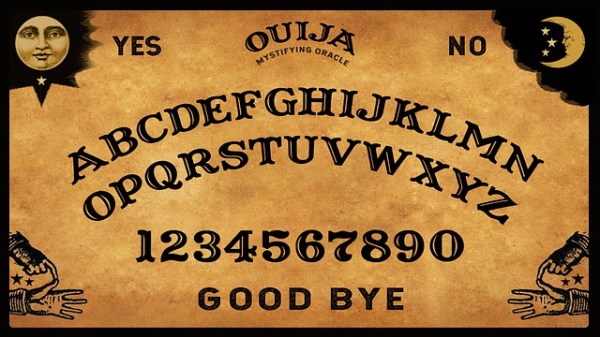
The Ouija board, popularised by 19th-century spiritualism, has both fascinated and terrified people for over a century. Initially marketed as a parlor game, it gained reputation as a tool for contacting spirits. Its cultural impact extended from the Victorian era to modern times, influencing literature and cinema. Today, it continues to captivate with its mysterious allure and potential for communicating with the unknown. However, debates persist about its safety and spiritual implications. Whether viewed as a harmless game or a gateway to the supernatural, the Ouija board remains a captivating and enigmatic artifact.
The Amityville horror: A blend of mystery and hoax
The Amityville Horror is not just any ghost story; it's a cultural phenomenon. This chilling tale of 112 Ocean Avenue blurs the lines between fact and fiction. From the DeFeo family tragedy to the Lutz family's harrowing experiences, the story has inspired books, movies, and endless debate. Whether you believe it's a true haunting or a masterful hoax, the Amityville Horror continues to intrigue and terrify, inviting you to explore the thin veil between reality and the supernatural.
The debate between calling witchcraft “Magic” or “Magick”
Witchcraft has a long history and the debate of "magic" versus "magick" goes deeper than just spelling. "Magic" conjures images of entertainment, while "magick" signifies a spiritual practice. Aleister Crowley popularized "magick" to differentiate it from stage magic, but his controversial legacy has led to mixed views among modern practitioners. This debate reflects the evolving nature of witchcraft and the power of language to shape identity and perception.
The use of Magick in horror
Magick brings depth and terror to horror stories through ancient curses, forbidden spells, witchcraft, haunted objects, necromancy, and more. Films and books vividly depict the consequences of meddling with dark forces. Magickal elements can blur reality, challenge perceptions, and evoke primal fears. Crafting captivating narratives with magick exposes universal beliefs and fascinations with the unknown, provoking a range of emotions from wonder to dread.
Long Barrows: History and Myth
Long barrows, enigmatic burial mounds from the Neolithic period, fascinate with their historical significance and myths. Built by early farming communities, they serve as communal burial sites and symbols of territorial claims. Legends of guardian spirits, ancient kings, and wailing ghosts add to their mystical allure. Archaeological discoveries shed light on Neolithic life, while today, long barrows draw historians, spiritual seekers, and the curious alike.
Understanding Matariki: Māori Culture
Matariki, also known as the Pleiades or the Seven Sisters, holds great significance for the Māori people of New Zealand. It marks the Māori New Year, a time for reflection, celebration, and tradition. With its revitalization, Matariki has become a national celebration, promoting cultural pride, environmental awareness, and community spirit. Whether Māori or not, embracing Matariki means embracing the rich cultural heritage and interconnectedness of life.
The Wren in folklore and mythology
The unassuming Wren (Troglodytes troglodytes) may be tiny in size, weighing just 6 grams, but its story is bigger than its small stature. This diminutive bird holds a profound place in the cultural narratives of various societies and weaves its way into folklore and legend with symbolism and cultural significance. One of the striking features... Continue Reading →