Movies often rely on dark sets for horror, but with changing viewing trends, it's time to reconsider. While darkness creates an eerie vibe, it can be overused, dulling the impact and making it hard to see. Balancing light and dark is key to enhancing the narrative and using cinematic tools effectively. What's your take?
Why are we afraid of the dark?
Humans fear the dark for deep-seated reasons: evolution wired us to be cautious in darkness, the unknown triggers anxiety, and cultural narratives reinforce our fear. Personal experiences and biological responses intensify this fear. While understanding its roots is the first step to overcoming it, embracing the night's mysteries can shift our perspective from fear to fascination.
The power of sound: how frequencies and noises can make us anxious
When it comes to scary noises, our instincts kick in hard. This is because sound messes with our minds and bodies in a big way. Fearful sounds, like loud bangs or eerie whispers, make our hearts race and senses go on high alert. Our ancient survival instincts still play a part in how we react to scary noises today. But don’t worry - there are ways to deal with these reactions, like mindfulness and exposure therapy. Understanding all this can also help us use sound in cool and creative ways.
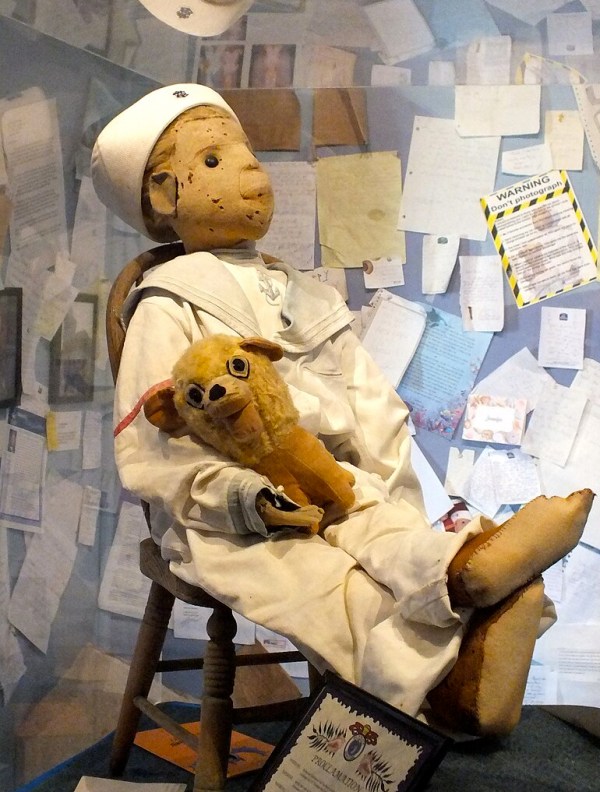
Robert the Doll: The world’s most haunted doll
In Key West, Florida, there's a spooky tale of Robert the Doll. Given to young Gene Otto in the 1900s, the doll caused eerie mischief. Even confined in the attic, Robert's influence persisted, terrifying visitors and causing nightmares. The doll's eerie powers and chilling effects fuel its paranormal reputation, captivating and frightening visitors to this day.