How to add Gothic elements to your stories: A step by step guide
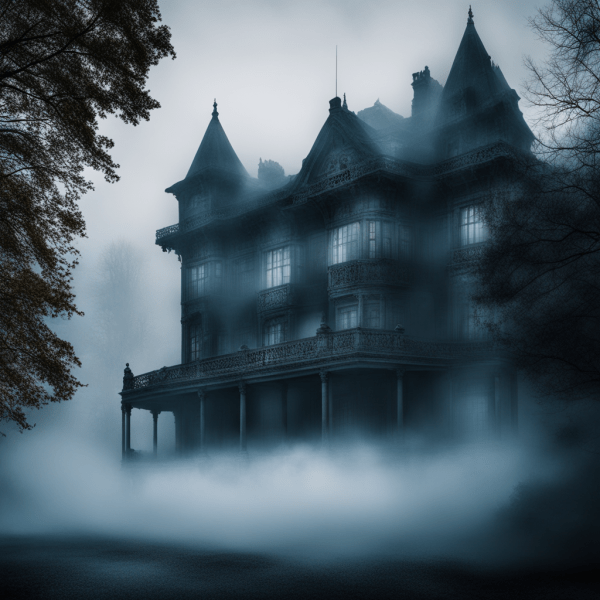
Crafting a Gothic tale is like baking a cake filled with dark emotions, eerie settings, and complex characters. With a haunting atmosphere, deep characters, subtle supernatural elements, themes of madness, symbolism, and an ambiguous or twist ending, you can create a story that chills and satisfies on a psychological level. Grab those ingredients and let's make a Gothic masterpiece!

What defines Gothic Horror?

Gothic horror, a genre combining romance and fear, thrives on atmosphere, isolation, and the supernatural. Contrasting with traditional horror, it focuses on character complexity and existential themes. Unlike psychological thrillers, it blends the supernatural with historical settings and leaves mysteries unresolved. Its influence persists in contemporary literature and film, offering a lens to examine human experience.

Exploring the Origins of Gothic Horror

Gothic horror, born in the late 18th century, merges terror, beauty, and the supernatural. It features eerie settings, supernatural entities, mysterious secrets, and themes of romance and tragedy. Classic works like "Frankenstein" and "Dracula" exemplify this genre's timeless allure. Its enduring appeal lies in its aesthetic, exploration of dark themes, emotional intensity, and adaptability across different mediums. Contemporary examples include "Crimson Peak" and "The Haunting of Hill House", showcasing the genre's ongoing influence in modern storytelling.

Blog at WordPress.com.

Up ↑