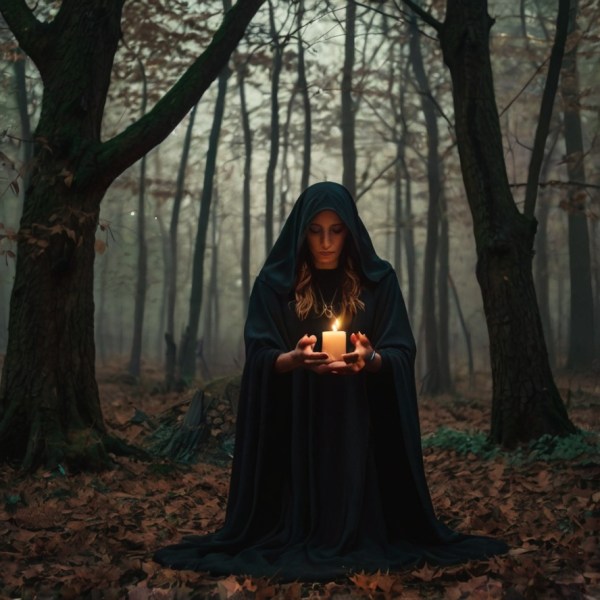
Witchcraft has a long history and the debate of "magic" versus "magick" goes deeper than just spelling. "Magic" conjures images of entertainment, while "magick" signifies a spiritual practice. Aleister Crowley popularized "magick" to differentiate it from stage magic, but his controversial legacy has led to mixed views among modern practitioners. This debate reflects the evolving nature of witchcraft and the power of language to shape identity and perception.
The use of Magick in horror
Magick brings depth and terror to horror stories through ancient curses, forbidden spells, witchcraft, haunted objects, necromancy, and more. Films and books vividly depict the consequences of meddling with dark forces. Magickal elements can blur reality, challenge perceptions, and evoke primal fears. Crafting captivating narratives with magick exposes universal beliefs and fascinations with the unknown, provoking a range of emotions from wonder to dread.
Why do people believe in magick?
People's diverse beliefs in magick, influencing events through specific actions, raise captivating questions about human psychology, culture, and reality. Historical, psychological, cultural, and personal factors shape this belief. From providing control in uncertain times to fostering community and social bonding, magick remains an enduring aspect of human experience, offering wonder and empowerment in a chaotic world.