When life gets in the way: The real horror of losing yourself

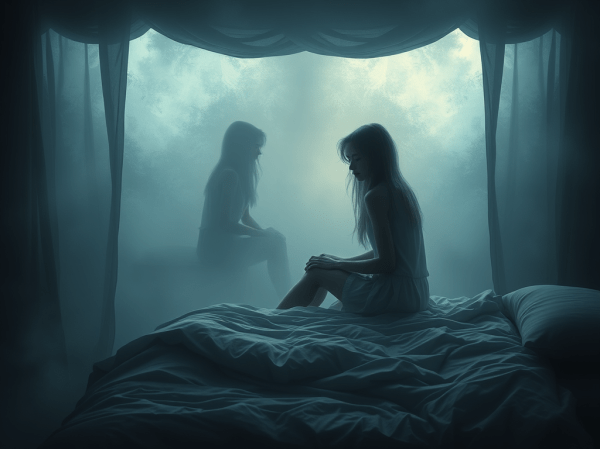
The piece explores the silent horror of losing one's identity in the chaos of daily life, as routine and obligations overshadow passion and creativity. It illustrates how the gradual disappearance of the self can feel haunting, yet urges reclaiming one's essence through small, intentional acts. Life's interruptions can fuel personal growth rather than deflate it.

How to add Gothic elements to your stories: A step by step guide

Crafting a Gothic tale is like baking a cake filled with dark emotions, eerie settings, and complex characters. With a haunting atmosphere, deep characters, subtle supernatural elements, themes of madness, symbolism, and an ambiguous or twist ending, you can create a story that chills and satisfies on a psychological level. Grab those ingredients and let's make a Gothic masterpiece!

What defines Gothic Horror?

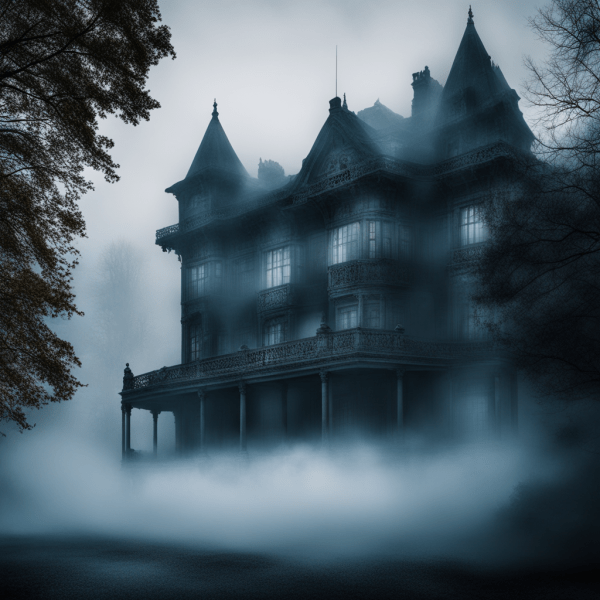
Gothic horror, a genre combining romance and fear, thrives on atmosphere, isolation, and the supernatural. Contrasting with traditional horror, it focuses on character complexity and existential themes. Unlike psychological thrillers, it blends the supernatural with historical settings and leaves mysteries unresolved. Its influence persists in contemporary literature and film, offering a lens to examine human experience.

Horror across cultures

Horror transcends borders, drawing from unique cultural fears and myths worldwide. Ancient civilizations, indigenous cultures, and modern societies each weave their own chilling tales. From vengeful spirits in Japan to the harbingers of death in Europe, horror reflects universal human anxieties, offering a glimpse into diverse cultural values and shared fears.

World book Day – 23 April 2024

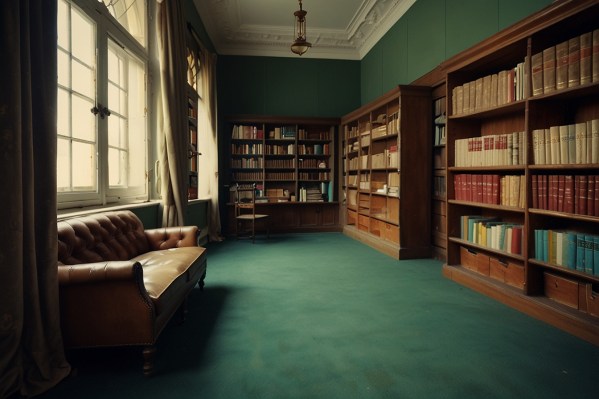
World Book Day, initiated by UNESCO in 1995, celebrates books and reading in over 100 countries on April 23rd. Unconventional paths to success for indie authors are illustrated by popular books like "Diary of a Wimpy Kid," "50 Shades of Grey," and "The Martian." These stories emphasize the significance of persistence, engaging with communities, and leveraging digital platforms.

Christmas ghost stories and Victorian spiritualism

During the Victorian era, amidst scientific advancements and societal shifts, there was a significant rise in spiritualism and interest in ghost stories. Seances became fashionable, as people sought to communicate with the deceased. This spiritual fascination was reflected in literature, with renowned authors like Charles Dickens and M.R. James incorporating spectral elements into their stories. The tradition of telling ghost stories around Christmas time emerged, blending festive joy with an eerie ambiance. Notable stories, such as Dickens' "A Christmas Carol," emphasized morals on charity, forgiveness, and redemption.

Blog at WordPress.com.

Up ↑