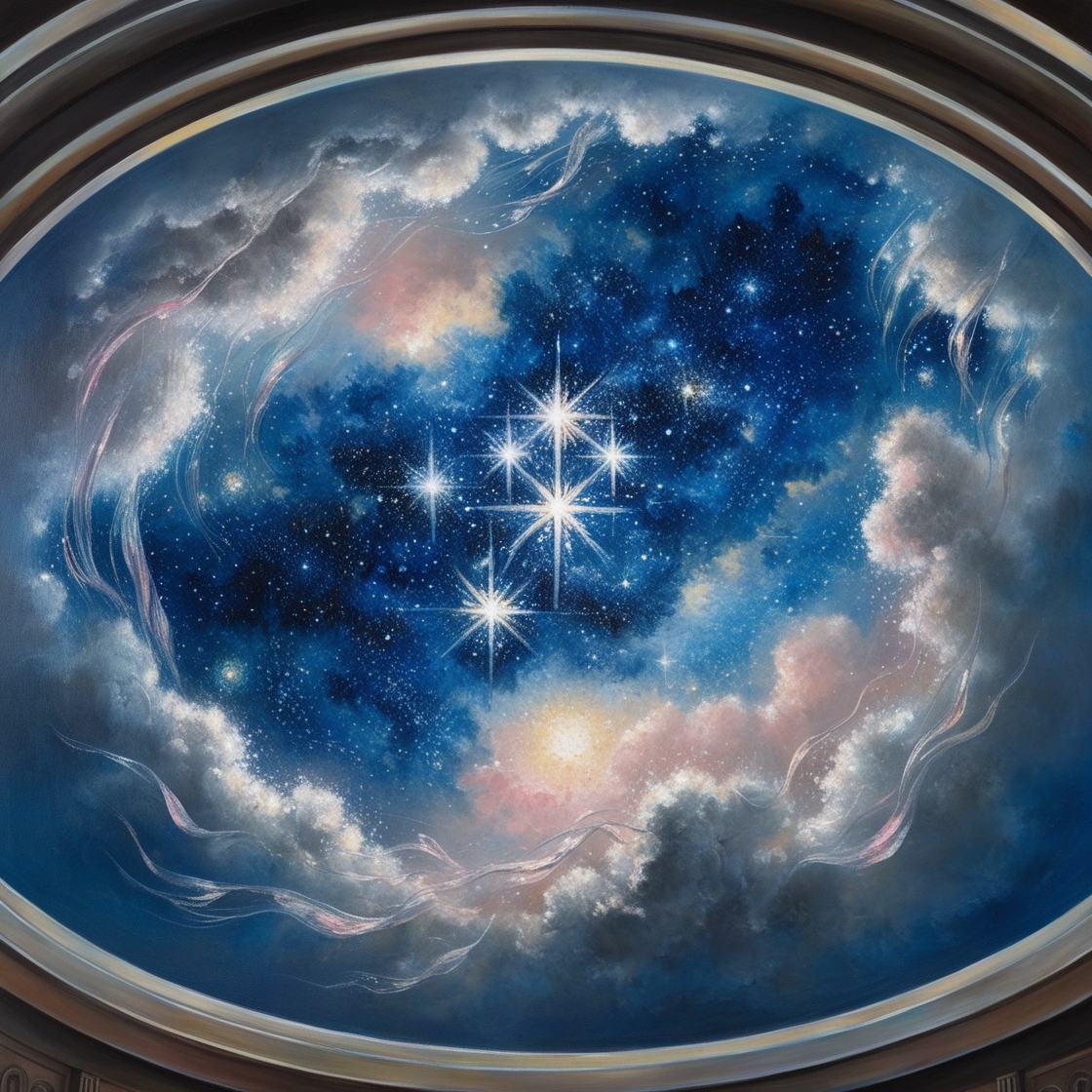
If you’re in the southern hemisphere and you’ve gazed up at the night sky in late June or early July and noticed a cluster of sparkling stars, you’ve likely spotted Matariki. For the Māori people of New Zealand, Matariki is far more than just a celestial constellatiomn; it marks the Māori New Year, a time steeped in tradition, reflection, and celebration. So, let’s dive deeper into the enchanting world of Matariki and explore its significance, traditions, and the rich legends that surround it.
What is Matariki?
Matariki, also known as the Pleiades or the Seven Sisters, is a star cluster that becomes visible in the Southern Hemisphere during the winter months. The cluster’s name derives from the Māori words “mata” (eyes) and “ariki” (god), which together mean “the eyes of god.” This star cluster’s appearance in the pre-dawn sky signals the beginning of the Māori New Year, a time for both reflection and anticipation.
The Astronomical Significance of Matariki
Matariki is part of the larger constellation Taurus and consists of hundreds of stars, although only a handful are visible to the naked eye. These stars are:
- Matariki (Alcyone): The mother of the other stars.
- Tupu-ā-rangi (Atlas): Linked to the sky and forests.
- Tupu-ā-nuku (Pleione): Associated with food grown in the earth.
- Ururangi (Merope): Connected to the winds.
- Waipuna-ā-rangi (Electra): Associated with rain.
- Waitī (Maia): Connected to freshwater bodies and the creatures within.
- Waitā (Taygeta): Linked to the ocean and seafood.
Each star holds a unique significance related to different aspects of the environment and human life, underscoring the deep connection Māori have with the natural world.
Cultural Significance of Matariki
Matariki is much more than an astronomical event; it’s a time for Māori to connect with their ancestors, reflect on the past year, and make plans for the future. The period when Matariki rises is a time to honor those who have passed away, celebrate new beginnings, and give thanks for the harvest. It’s also a time to come together as a community and share stories, knowledge, and food.
Celebrations and Traditions
The celebrations of Matariki are as varied and vibrant as the stars themselves. Here are some of the key traditions and activities:
Feasting: Central to Matariki celebrations is the sharing of food. Traditional Māori dishes, particularly those harvested from the land and sea, are prepared and enjoyed communally. This act of sharing food serves as a reminder of the bounty provided by nature and the importance of community.
Storytelling: Stories and legends are passed down through generations during Matariki. Elders recount tales of their ancestors, the history of their people, and the myths surrounding the stars. This storytelling helps preserve Māori culture and educate younger generations.
Music and Dance: Traditional songs and dances are performed, celebrating the unique cultural heritage of the Māori people. Instruments such as the poi (a ball on a string) and taiaha (a traditional weapon) are often used in these performances.
Kite Flying: Kites, or “manu tukutuku,” are flown during Matariki, symbolizing the connection between the earth and the sky. The act of kite flying is not only fun but also carries spiritual significance, representing prayers and messages sent to the gods.
Legends of Matariki
Matariki is surrounded by many legends that add to its mystery. One popular legend tells the story of Tāwhirimātea, the god of the winds, who became enraged when his parents, Ranginui (the sky father) and Papatūānuku (the earth mother), were separated by their children. In his fury, Tāwhirimātea tore out his eyes and threw them into the sky, where they became the stars of Matariki.
Another legend speaks of Matariki as a mother star surrounded by her six daughters. Each of the daughters has a specific role and domain, from caring for the earth to guiding the winds and the rain. These stories not only explain the existence of the star cluster but also embed lessons about the environment and the interconnectedness of life.
Modern Revitalization of Matariki
In recent years, Matariki has experienced a resurgence in recognition and celebration. In 2022, Matariki was declared an official public holiday in New Zealand, a significant step in honoring Māori culture and traditions. This public holiday has helped to raise awareness of Matariki’s importance and encourage more people to participate in the celebrations.
Communities across New Zealand now come together to mark Matariki with various events, including festivals, educational programs, and cultural performances. Schools often incorporate Matariki into their curriculum, teaching students about its significance and the broader Māori culture.
Educational Importance of Matariki
Matariki provides a valuable opportunity for learning, not just for Māori but for all New Zealanders and those interested in Māori culture. Educational activities related to Matariki often include:
Astronomy Lessons: Understanding the night sky and the significance of the Pleiades star cluster in Māori culture.
Cultural Practices: Learning about traditional Māori customs, language, and rituals associated with Matariki.
Environmental Stewardship: Emphasizing the importance of caring for the land and the natural resources, as reflected in the roles of the stars. Schools and community groups frequently host workshops, talks, and exhibitions to educate people about Matariki and its relevance in today’s world.
Matariki and the Environment
Matariki is a time to acknowledge and celebrate the natural world. Each of the stars in the Matariki cluster has a direct connection to different elements of the environment, reinforcing the Māori belief in the interdependence of all living things. For instance:
Tupu-ā-nuku is linked to food grown in the ground, such as root vegetables and crops.
Tupu-ā-rangi is associated with everything that grows up in the trees, including birds and fruits.
Waitī represents fresh water and all the life it sustains, like fish and plants found in rivers and lakes.
Waitā is connected to the ocean and its bounty, highlighting the importance of seafood.
By celebrating Matariki, Māori people reaffirm their commitment to preserving and respecting the environment, ensuring its health and abundance for future generations.
The Future of Matariki
The revitalization of Matariki as a national celebration in New Zealand has opened new avenues for cultural expression, education, and community engagement. As more people learn about and participate in Matariki celebrations, the cultural landscape of New Zealand continues to evolve, fostering a deeper understanding and appreciation of Māori heritage.
Looking ahead, Matariki’s role in promoting environmental awareness, cultural pride, and community spirit is likely to grow. With initiatives to include Matariki in national educational curricula and public celebrations, the star cluster will continue to shine brightly in the hearts and minds of all who call Aotearoa home.
Matariki Today
Whether you’re Māori or not, Matariki offers a unique way to connect with the rich cultural tapestry of New Zealand. It’s a time to reflect on the past, celebrate the present, and look forward to the future. By participating in Matariki celebrations, you can experience the warmth of community, the joy of shared traditions, and the beauty of the night sky.
So next time you see the Matariki stars twinkling in the winter sky, take a moment to think about their significance. Remember the legends, honor the traditions, and celebrate the New Year in true Māori fashion. Matariki is a time for all to come together, under the guiding light of the stars, to honor the past and embrace the future with hope and unity.
In closing
Matariki is more than just a cluster of stars; it’s a beacon of cultural heritage, a time of renewal, and a celebration of life’s interconnectedness. As we embrace Matariki, we not only honor the traditions of the Māori people but also enrich our own lives with the wisdom and beauty of their culture. So, let the stars of Matariki guide you through the Māori New Year, illuminating the path to a brighter and more harmonious future.

 Uncanny Lounge
Leave a comment