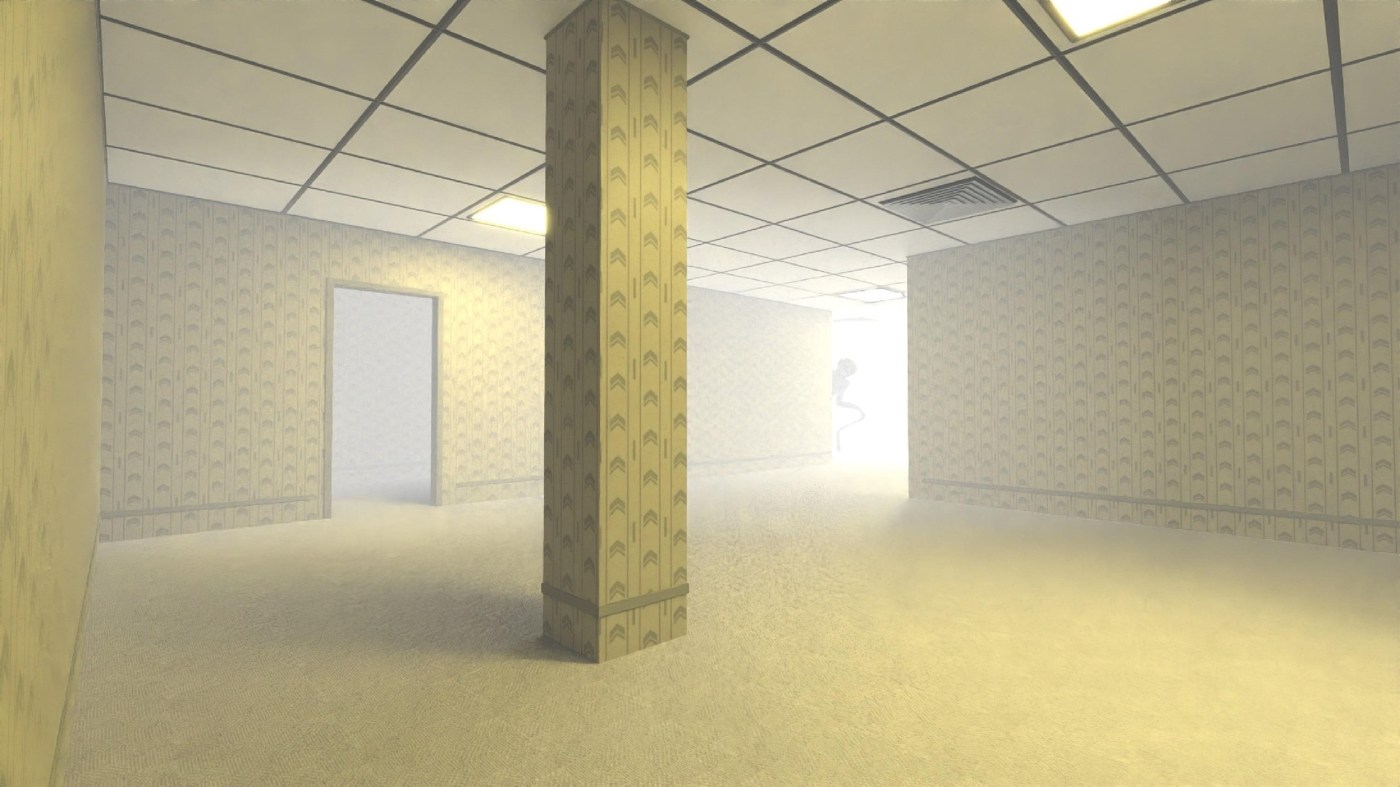
You’ve checked in to your hotel room. Swipe card clutched in your hand as you make your way to the elevator. You pass no one, entering the elevator you are about to encounter one of the most commonly found liminal spaces. The hotel corridor. As you step out of the elevator you feel that usual eerie feeling. Ahead of you only a long quiet hallway maybe the slight sound of the air con. Closed doors to the left and right but no sign of human habitation, you feel uneasy and make your way quickly to your room.
There’s something about a deserted hallway, an empty mall at midnight, or an abandoned school corridor that feels… off. You can’t quite place it, but it tugs at your mind, leaving you unsettled. These spaces exist in the threshold, the “in-between” they are liminal spaces. That uneasy feeling you have when what you see and feel is not quite as your brain comprehends.
What Are Liminal Spaces?
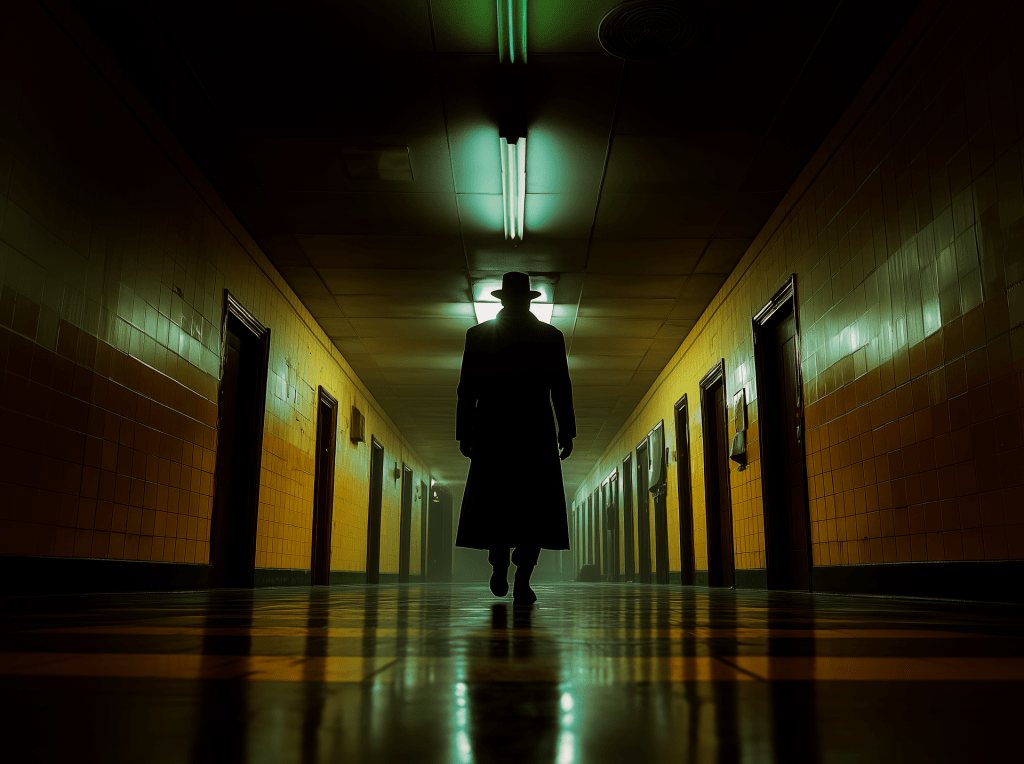
The term liminal comes from the Latin limen, meaning “threshold.” Liminal spaces are transitional areas, they are neither here nor there, but somewhere in-between.
They include:
- Hallways and stairwells
- Airport terminals at 3 a.m.
- Empty parking lots
- Vacant playgrounds
- Office corridors after hours
Unlike abandoned buildings, true liminal spaces maintain their function and familiarity, but the absence of people or activity gives them an eerie quality.
Related post: “Doppelgängers in Movies and Books” explores another uncanny phenomenon rooted in in-between realities.
What Is Often Mistaken for a Liminal Space?
Not every empty or abandoned location counts:
Abandoned Buildings: These are derelict, not transitional. Liminality comes from function and expectation, not decay.
Dark or Dangerous Areas: Fear alone doesn’t create liminality; subtle unease is key.
Quiet Streets at Night: Liminal spaces require a transitional purpose, corridors, terminals, or waiting areas.
Horror Sets or Escape Rooms: Artificially created tension mimics liminality but lacks the psychological subtlety of true in-between spaces.
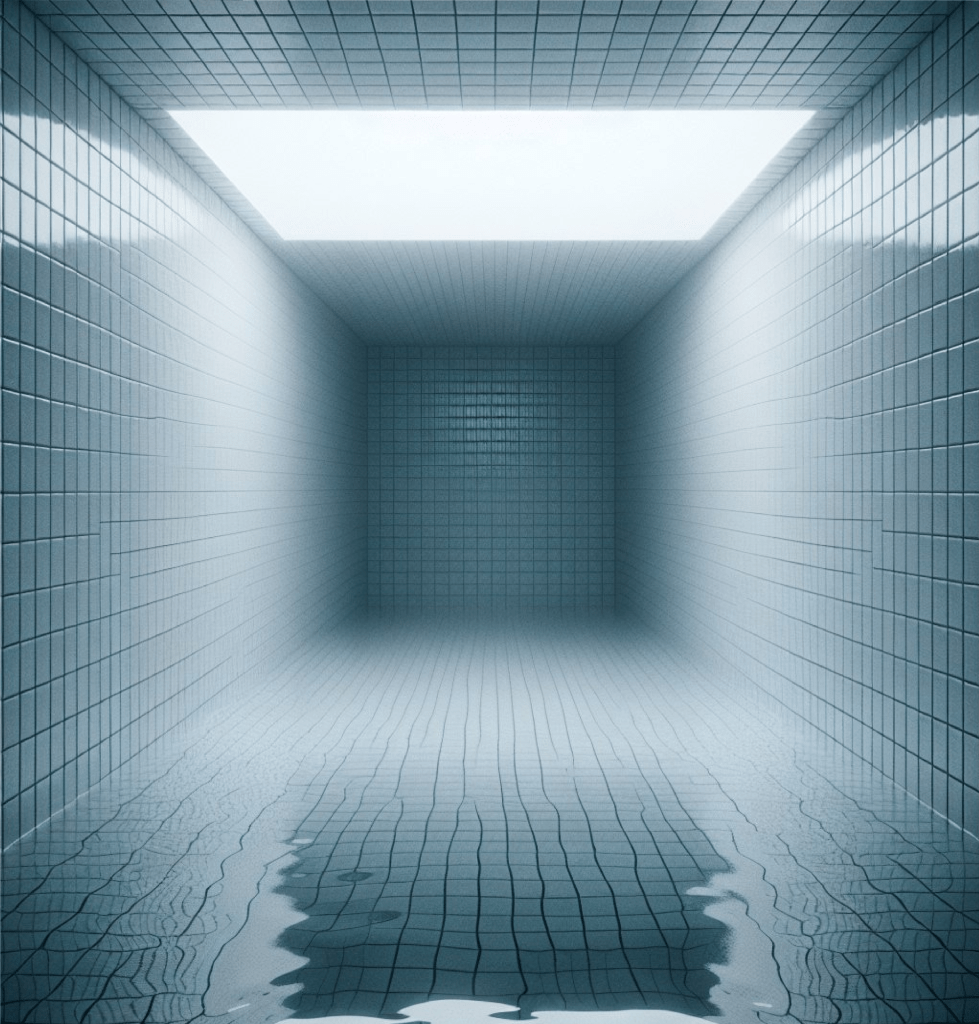
Psychology note: The brain reacts differently to liminal spaces versus decayed or deliberately scary environments. True liminality triggers unease through pattern disruption, emptiness, and temporal ambiguity.
The Psychology of Liminal Spaces
Why do these spaces feel so unsettling? Science can offer us insight:
Uncanny Valley for Spaces: Familiar environments with subtle irregularities trigger cognitive discomfort.
Spatial Anxiety: Ambiguous spaces with no social cues create hyperawareness and tension.
Temporal Displacement: Lack of movement distorts our perception of time, producing subtle disorientation.
Memory and Nostalgia Triggers: Childhood and routine associations evoke both comfort and unease.
Existential Awareness: Liminal spaces force reflection on transitions, endings, and beginnings.
Liminal Spaces in Horror and Pop Culture
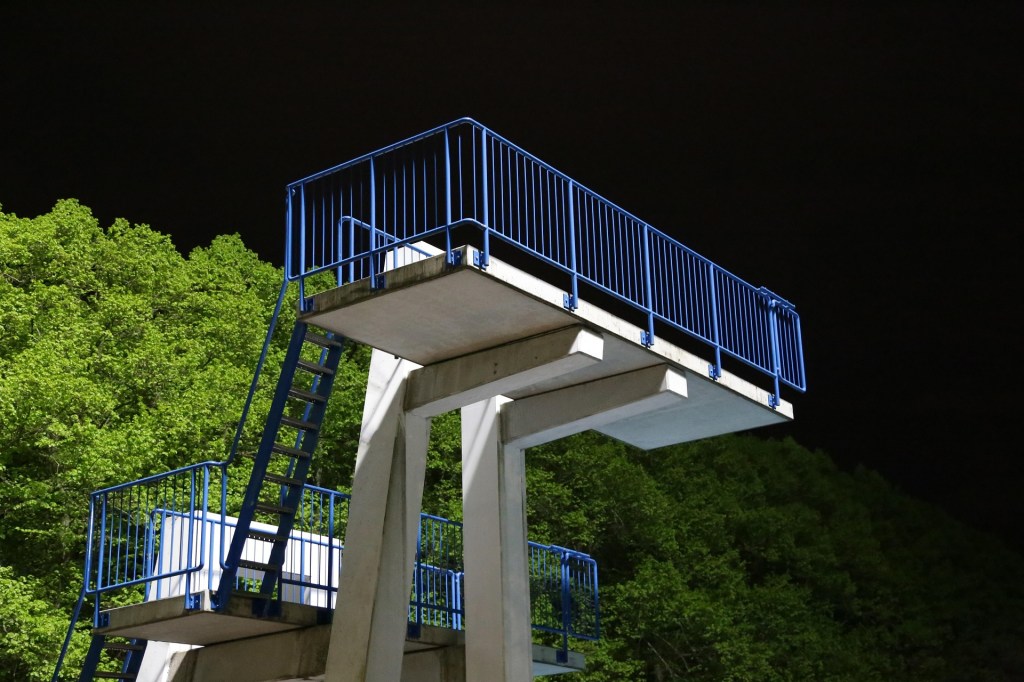
Liminal spaces are a cornerstone of horror, they make ordinary environments terrifying without needing monsters.
Film
- The Shining (1980): Endless empty corridors create isolation and unease.
- Don’t Look Now (1973): Venice’s empty canals distort space and time.
- The Lighthouse (2019): Towers, stairwells, and fog transform familiar spaces into nightmares.
Television
- Twin Peaks (1990–1991, 2017): The Red Room exists between dream and reality, where liminality drives mood and narrative.
- Stranger Things (2016–present): The Upside Down mirrors real spaces in decayed forms, creating a psychological doubling effect.
Video Games
- Silent Hill series: Empty streets, schools, and hospitals are psychologically oppressive.
- The Backrooms: Infinite monotonous corridors amplify liminal anxiety and spatial vertigo.
Internet Horror & Photography
- Liminal Space Photography: Popular on Reddit, Tumblr, and Pinterest, these images of empty malls and office corridors evoke subtle dread.
- Creepypasta: Stories use empty transitional spaces as narrative tools, turning mundane locations into psychological horror.
Why it works: Isolation, temporal disorientation, distorted familiarity, and existential tension make liminal spaces perfect for horror.
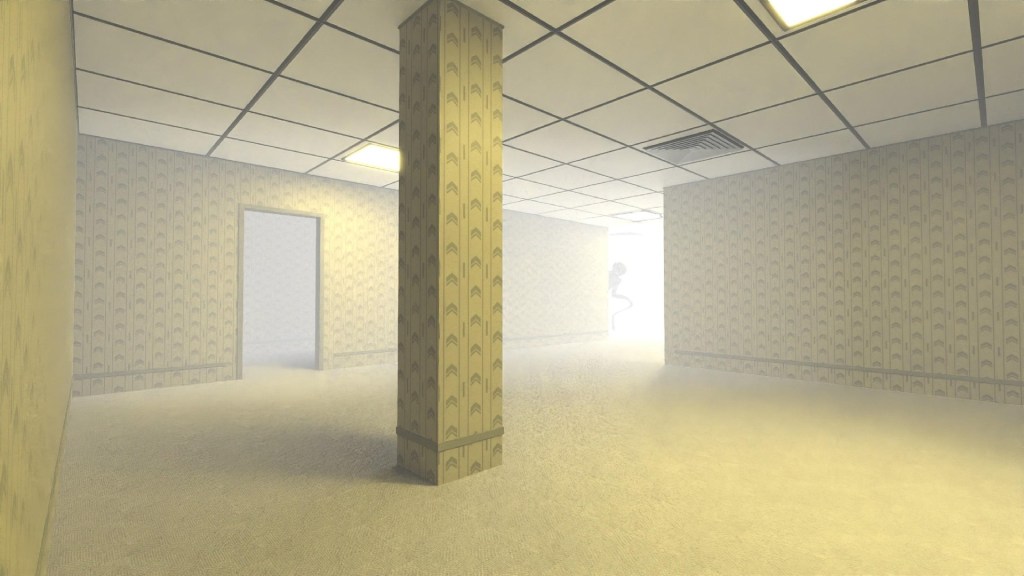
The Backrooms: Liminality Taken to Its Extreme
The Backrooms, originating on 4chan in 2019, are the ultimate liminal nightmare:
- Aesthetic: Yellow-lit, damp, infinite corridors with humming fluorescent lights.
- Psychological Impact: Repetition and endless monotony evoke spatial vertigo and existential dread.
- Lesson: Even ordinary spaces can become psychologically oppressive when context is stripped away.
The Aesthetic of Liminal Spaces
Artists and photographers explore liminality using:
- Muted colors and repetitive architecture
- Harsh or unnatural lighting
- Stillness contrasted with the expectation of movement
This combination evokes nostalgia, unease, and fascination—the hallmark of the uncanny.
Liminal Spaces in Everyday Life
- Early morning commutes
- Empty airports or train stations
- Vacant offices or school hallways
These transitional spaces create a “threshold effect,” suspending the mind between states and triggering subtle psychological tension.
Why We Are Drawn to Liminal Spaces
Liminal spaces:
- Stimulate pattern recognition and imagination
- Produce a safe form of fear
- Serve as metaphors for life transitions
They’re psychologically engaging because they exist between the known and unknown.
FAQ About Liminal Spaces
Q: Are liminal spaces dangerous?
A: Physically, usually not, but psychologically, they can feel disorienting.
Q: What’s the difference between a liminal space and an abandoned building?
A: Liminal spaces are transitional and functional, creating subtle unease. Abandoned buildings are derelict.
Q: Why do empty hallways or malls feel creepy?
A: The brain expects activity; absence of cues triggers cognitive dissonance.
Q: Can liminal spaces trigger memories or emotions?
A: Yes, nostalgia, déjà vu, and existential reflection are common responses.
Q: Are there studies on liminal spaces?
A: Environmental psychology research shows ambiguous, transitional spaces increase spatial anxiety, temporal distortion, and emotional responses.
Some thoughts to end on
Liminal spaces are more than empty corridors, they are psychological thresholds that blur reality and imagination. From quiet airport terminals to the infinite Backrooms, they provoke reflection, unease, and fascination. Understanding what counts as a true liminal space, and what doesn’t makes the uncanny all the more potent.
If you loved this, explore doppelgängers and uncanny doubles another phenomenon thriving in the unsettling in-between.
And if you’d like to share your experiences about liminal spaces, leave us a comment below.

 Uncanny Lounge
Leave a comment