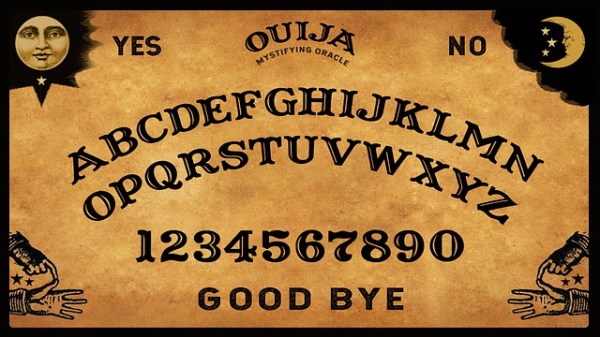
The Ouija board, popularised by 19th-century spiritualism, has both fascinated and terrified people for over a century. Initially marketed as a parlor game, it gained reputation as a tool for contacting spirits. Its cultural impact extended from the Victorian era to modern times, influencing literature and cinema. Today, it continues to captivate with its mysterious allure and potential for communicating with the unknown. However, debates persist about its safety and spiritual implications. Whether viewed as a harmless game or a gateway to the supernatural, the Ouija board remains a captivating and enigmatic artifact.
The debate between calling witchcraft “Magic” or “Magick”
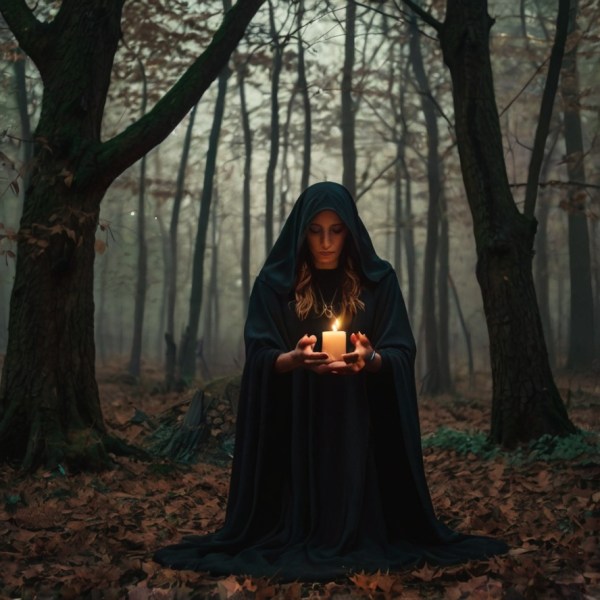
Witchcraft has a long history and the debate of "magic" versus "magick" goes deeper than just spelling. "Magic" conjures images of entertainment, while "magick" signifies a spiritual practice. Aleister Crowley popularized "magick" to differentiate it from stage magic, but his controversial legacy has led to mixed views among modern practitioners. This debate reflects the evolving nature of witchcraft and the power of language to shape identity and perception.
The use of Magick in horror
Magick brings depth and terror to horror stories through ancient curses, forbidden spells, witchcraft, haunted objects, necromancy, and more. Films and books vividly depict the consequences of meddling with dark forces. Magickal elements can blur reality, challenge perceptions, and evoke primal fears. Crafting captivating narratives with magick exposes universal beliefs and fascinations with the unknown, provoking a range of emotions from wonder to dread.
What are Long Barrows: History and Myth
Long barrows, enigmatic burial mounds from the Neolithic period, fascinate with their historical significance and myths. Built by early farming communities, they serve as communal burial sites and symbols of territorial claims. Legends of guardian spirits, ancient kings, and wailing ghosts add to their mystical allure. Archaeological discoveries shed light on Neolithic life, while today, long barrows draw historians, spiritual seekers, and the curious alike.
Understanding Matariki: Māori Culture
Matariki, also known as the Pleiades or the Seven Sisters, holds great significance for the Māori people of New Zealand. It marks the Māori New Year, a time for reflection, celebration, and tradition. With its revitalization, Matariki has become a national celebration, promoting cultural pride, environmental awareness, and community spirit. Whether Māori or not, embracing Matariki means embracing the rich cultural heritage and interconnectedness of life.
Why do people believe in magick?
People's diverse beliefs in magick, influencing events through specific actions, raise captivating questions about human psychology, culture, and reality. Historical, psychological, cultural, and personal factors shape this belief. From providing control in uncertain times to fostering community and social bonding, magick remains an enduring aspect of human experience, offering wonder and empowerment in a chaotic world.
Dark tourism: exploring our dark past
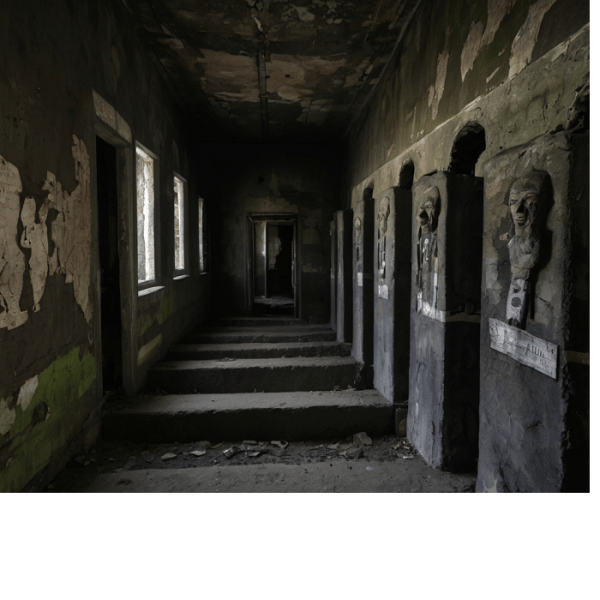
Dark tourism, the trend of visiting sites related to death and tragedy, is gaining popularity. This form of travel, driven by increased interest in historical events and cultural understanding, offers unique insights into humanity's past but also raises ethical considerations about respecting the sites and victims. While it can bring money into an area, it's important to balance financial gain with respect for past events.
What happens if you meet your doppelganger?
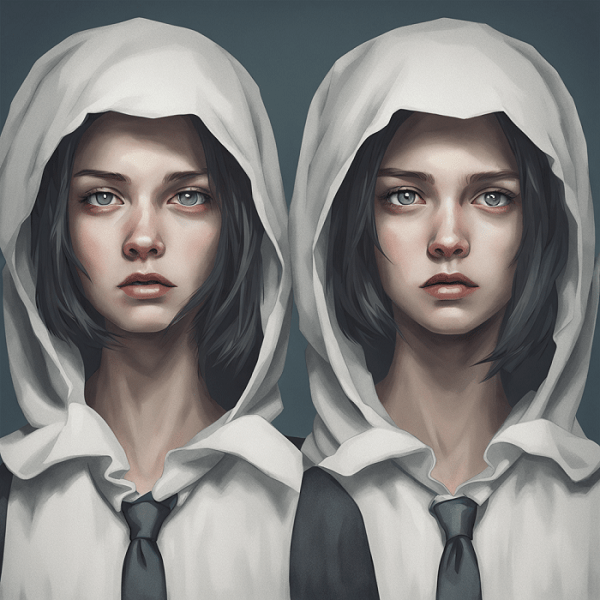
Have you ever seen someone who looks exactly like you but isn't you? It's called encountering a doppelganger, and it's been intriguing people for centuries. Doppelgangers have appeared in folklore, mythology, art, and even modern-day sightings, sparking discussions about identity and the mysteries of existence. Keep an eye out for yours!
Exploring the Origins of Gothic Horror
Gothic horror, born in the late 18th century, merges terror, beauty, and the supernatural. It features eerie settings, supernatural entities, mysterious secrets, and themes of romance and tragedy. Classic works like "Frankenstein" and "Dracula" exemplify this genre's timeless allure. Its enduring appeal lies in its aesthetic, exploration of dark themes, emotional intensity, and adaptability across different mediums. Contemporary examples include "Crimson Peak" and "The Haunting of Hill House", showcasing the genre's ongoing influence in modern storytelling.
Waitomo Caves Hotel, New Zealand
Waitomo Caves Hotel in New Zealand holds a rich history, from Maori heritage to European colonization and eerie legends. The hotel's development from Waitomo House to a renowned tourist destination is intertwined with paranormal tales and mysterious encounters. Despite its closure, the hotel remains a site of intrigue and ongoing research into its haunting stories.